
Plants
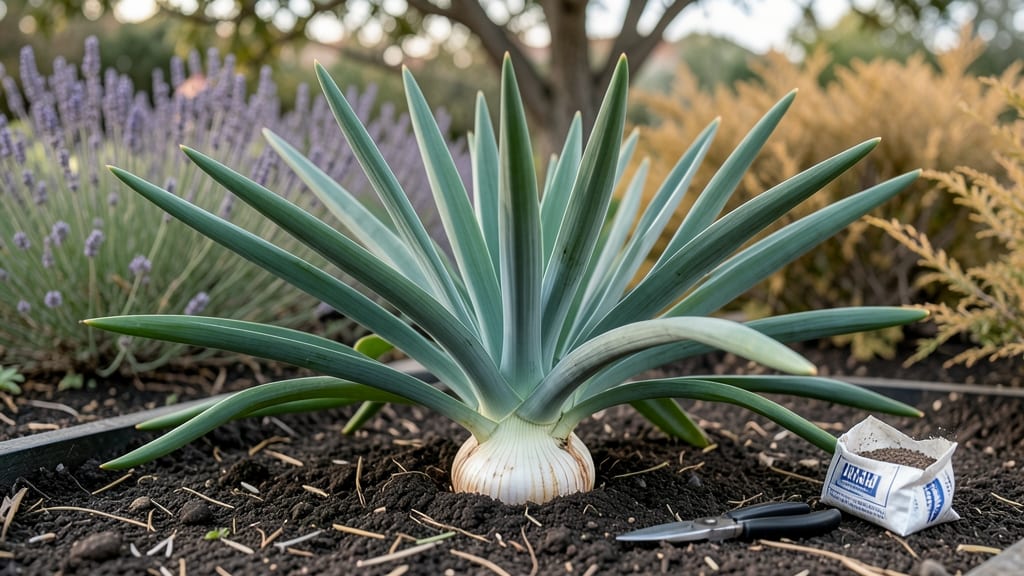
Seeing an allium plant looking like tulip leaves for two seasons isn’t a mistake—it’s actually a sign of a thriving plant! 🌱 The key difference between alliums and tulips lies in their growth habits and flower structure, and understanding this... can transform how you care for yours.
Alliums naturally keep their foliage longer than tulips, which shed theirs after flowering. This two-season leaf retention is completely normal and even beneficial—it means your plant is storing energy for next year's blooms.
The confusion often comes from their similar early growth stages, but the flower shape and bulb structure tell the real story.
To encourage this healthy cycle, focus on well-draining soil and avoid overwatering once the flowers fade. The leaves will eventually turn yellow and collapse on their own, but until then, they're working hard to feed your plant for next spring's spectacular blooms.
This trait makes alliums perfect for naturalizing in gardens—they'll multiply and create stunning displays year after year with minimal effort. The secret is letting nature take its course while providing the right growing conditions.
Root Causes Of False Stems
When your Allium plants sprout long, slender stems that resemble Tulip leaves for two seasons straight, it’s usually a sign of miscommunication between the plant’s growth signals and its environment.
Let’s break down the key reasons why this happens—so you can correct the issue and encourage those stunning spherical blooms you’re craving.
Alliums thrive when their roots have room to spread and establish. If they’re planted too closely together—or if you’re growing them in a container with insufficient space—they’ll focus all their energy on producing leaves and stems rather than developing the bulb’s energy reserves.
This leads to a "false start" where the plant mimics Tulip foliage but never matures.
Why it happens:
- Competition for nutrients: In tight spaces, roots can’t access enough nitrogen, phosphorus, or potassium to support bulb development.
- Limited photosynthesis: Overcrowded stems block sunlight, weakening the plant’s ability to store energy in the bulb.
- Stress signals: Alliums sense competition and prioritize survival (leaf growth) over reproduction (flowering).
Actionable fix:
- 📏 Space bulbs 4–6 inches apart in garden beds or use containers with at least 12-inch diameter per bulb.
- 🌿 Thin out seedlings if they’re growing too close—keep only the strongest stems.
- 🔄 Rotate planting locations every 2–3 years to prevent soil depletion in one spot.
Alliums are sun-loving plants, and when they don’t get enough light, they revert to a basic growth mode—producing long, grass-like stems instead of blooming. This is especially common in shady gardens, north-facing beds, or indoor setups with artificial lighting.
Why it happens:
- Photosynthesis slowdown: Low light reduces chlorophyll production, so the plant can’t generate enough glucose to fuel bulb growth.
- Misinterpreted dormancy cues: Alliums may confuse weak light with early autumn, triggering premature leaf elongation instead of flowering.
- Stunted meristem activity: The apical bud (where flowers form) stays dormant without sufficient light energy.
Actionable fix:
- 🌞 Move to full sun (6+ hours daily)—south- or west-facing spots are ideal.
- 💡 Supplement with grow lights (12–14 hours/day) if indoors or in low-light areas.
- 🌿 Avoid tall plants blocking sunlight—trim nearby foliage if necessary.
Both overwatering and underwatering can trick Alliums into producing weak, tulip-like stems instead of robust blooms. The key is balance—too much moisture rots the bulb, while too little stresses the plant into survival mode.
Why it happens:
Issue
Effect on Allium
Signs to Watch For
Overwatering
Bulbs suffocate from lack of oxygen, leading to soft rot and poor nutrient uptake.
Yellowing leaves, mushy stems, foul odor near the base.
Underwatering
Stress triggers premature leaf growth as the plant conserves moisture.
Wilted, crispy leaf edges; stunted stem growth.
Actionable fix:
- 💧 Water deeply but infrequently: Soak the soil until it’s moist 6–8 inches down, then let it dry slightly before watering again.
- 🚫 Avoid soggy soil: Ensure pots have drainage holes and garden beds aren’t waterlogged.
- 🌱 Mulch lightly (1–2 inches) to retain moisture without smothering the bulb.
Alliums are cool-season plants that need a period of dormancy to trigger flowering. If temperatures stay too warm for too long—especially in spring—your plant may stay in a "vegetative" state, producing only leaves and stems without ever blooming.
Why it happens:
- Delayed vernalization: Alliums often need 4–6 weeks of cool temps (40–50°F) to "know" it’s time to flower. Warm springs skip this step.
- Stress from heat: Temperatures above 80°F can shock the plant into survival mode, stunting flower development.
- Improper dormancy: If the bulb doesn’t experience a rest period (like winter), it may not store enough energy for blooms.
Actionable fix:
- ❄️ Plant in early fall (8–10 weeks before first frost) to ensure they get natural cooling.
- 🌡️ Use shade cloth in summer to keep soil temps below 75°F.
- 🔄 Simulate dormancy indoors if growing in warm climates: Reduce watering and move to a cooler spot (50–60°F) for 6 weeks before spring.
Alliums need a specific ratio of nutrients to produce flowers. Too much nitrogen (common in lawn fertilizers) promotes leafy growth, while deficiencies in phosphorus or potassium can stunt blooming.
Why it happens:
- Excess nitrogen: Encourages lush foliage but starves the bulb of energy for flowers.
- Phosphorus deficiency: Critical for root and bulb development—without it, the plant can’t store enough energy for blooms.
- Potassium deficiency: Weakens the plant’s ability to resist stress, leading to poor stem development.
Actionable fix:
- 📊 Test your soil and amend with balanced fertilizer (5-10-10 or 10-20-20) in early spring.
- 🌱 Avoid high-nitrogen fertilizers (like lawn food)—opt for phosphorus-rich options like bone meal.
- 🍃 Add compost (1–2 inches) in fall to improve soil structure and nutrient retention.
Not all Allium bulbs are created equal. Old, diseased, or weak bulbs may struggle to produce flowers, instead putting all their energy into basic leaf growth. This is common with bulbs that are:
- 🔄 More than 3–4 years old (many Alliums are biennial or short-lived perennials).
- 🦠 Infected with fungal/bacterial rot (e.g., Fusarium or Botrytis).
- 💀 Physically damaged (e.g., sliced, bruised, or stored
Fixing Your Allium’s Misidentification
If your allium plant is mistaken for a tulip or struggling to thrive for two seasons, don’t panic—there are simple, actionable steps to diagnose and correct the issue. Below, we break down the most common causes and provide practical, step-by-step solutions to restore your plant’s health and beauty.
If your allium’s leaves resemble tulip foliage (long, slender, and grass-like), it’s likely due to misidentification, improper planting, or stress. Here’s how to fix it:
🔥 Step 1: Verify the Plant Type - Check the bulbs: Alliums and tulips have distinct bulb shapes.
Allium bulbs are round and papery, while tulip bulbs are pointed and smoother. - Observe the flowers: Alliums bloom in spherical, globe-like clusters, while tulips have cup-shaped, trumpet-like blooms. - 💡 Pro Tip: If unsure, dig up a bulb and compare it to a reference guide or consult a local nursery expert.
🍳 Step 2: Replant for Proper Growth
If the plant is indeed an allium but struggling:
- Plant depth: Allium bulbs should be buried 6–8 inches deep (deeper than tulips).
- Spacing: Keep bulbs 8–12 inches apart to prevent overcrowding.
- Soil type: Ensure well-draining soil (alliums hate soggy roots).
👨🍳 Step 3: Adjust Care for Seasonal Needs
- Spring/Summer: Water moderately (avoid overwatering).
- Fall/Winter: Reduce watering but keep soil slightly moist (not soggy).
- 🌡️ Pro Tip: Mulch lightly in winter to protect bulbs but avoid suffocating them.
If your allium isn’t reblooming or looks weak after two seasons, it may need renewed energy. Try these fixes:
🔪 Step 1: Divide and Refresh
- When: After foliage dies back (late summer).
- How: Dig up bulbs, separate offsets, and replant the healthiest ones.
- 💡 Pro Tip: Discard soft or mushy bulbs—they won’t regrow.
🥘 Step 2: Boost Soil Fertility
- Add compost: Mix in 2–3 inches of organic matter before replanting.
- Balanced fertilizer: Use a low-nitrogen, high-phosphorus formula (e.g., 5-10-10) in early spring.
- 🎯 Pro Tip: Avoid high-nitrogen fertilizers—they encourage leafy growth over blooms.
✨ Step 3: Protect from Pests & Disease
- Aphids/Spider Mites: Spray with neem oil or insecticidal soap.
- Fungal Issues: Improve airflow and avoid overhead watering.
- 🔥 Pro Tip: Rotate planting locations every few years to prevent soil-borne diseases.
To keep your alliums thriving and easily identifiable: ✅ Label bulbs at planting time to avoid mix-ups. ✅ Plant in full sun (6+ hours daily) for best blooms. ✅ Avoid overwatering—alliums are drought-tolerant once established. ✅ Deadhead spent blooms to encourage stronger regrowth next season.
By following these steps, your alliums will stop resembling tulips, bloom reliably for years, and stay healthy through multiple seasons! 🌟
Frequently asked questions
Why do my alliums keep leaves that look like tulips for two seasons?
This is completely normal! Unlike tulips, which shed leaves after blooming, alliums store energy in their leaves for next year's flowers. The two-season foliage means your plant is healthy and preparing for future blooms. Just let the leaves die back naturally in late summer.
How can I tell if my plant is an allium or tulip?
Check the bulb shape and flower form. Allium bulbs are round and papery, while tulip bulbs are pointed. Alliums bloom in spherical clusters, whereas tulips have trumpet-shaped blooms. Dig up a bulb if needed—alliums have layered, onion-like layers.
Should I cut back allium leaves after flowering?
No! Leave the foliage until it turns yellow and collapses on its own (6-8 weeks after blooming). This gives the bulb time to store energy. Cutting too soon weakens next year's blooms. Only remove dead leaves to keep your garden tidy.
Can I grow alliums in containers?
Yes, but choose containers with at least 12-inch diameter per bulb. Use well-draining soil and ensure they get full sun (6+ hours daily). Water moderately—containers dry out faster than garden beds. Divide bulbs every 3-4 years to prevent overcrowding.
Why aren't my alliums blooming after two seasons?
This often happens with overcrowded bulbs or poor light. Space bulbs 8-12 inches apart and ensure they get full sun. If growing in shade, supplement with grow lights. Also check for old or diseased bulbs—replace them every 3-4 years for best results.