
Advice
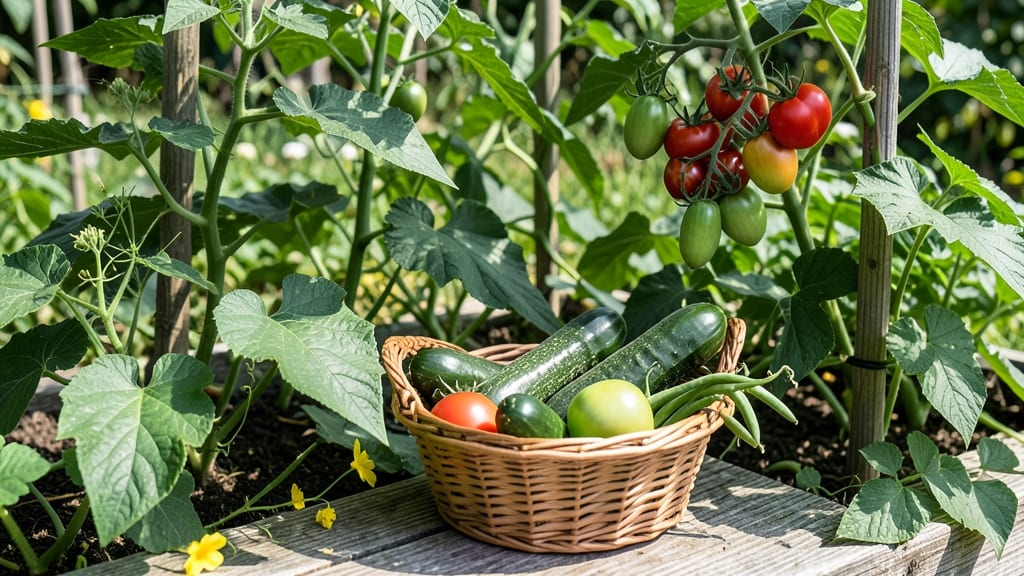
July’s boldest flavors come from the seasonal veg your garden delivers—if you know what to plant, harvest, and protect. 🌿 I’ve learned the hard way that this month isn’t about starting new crops (unless you’re in the Southern Hemisphere), but about nurturing what’s already thriving while prepping for fall.
The key? Succession planting, aggressive pest control, and keeping the soil cool enough to avoid bolting.
Your focus should be on heat-tolerant veggies like okra, sweet potatoes, and bush beans—these thrive when temps hit 90°F. But don’t ignore your early spring crops: zucchini, cucumbers, and tomatoes need consistent watering (deep soak, not daily sprinkles) to prevent blossom-end rot.
And if your greens like lettuce or spinach are bolting, it’s time to pull them and replace them with heat-resistant varieties like Swiss chard.
What you’ll end up with is a garden bursting with peak-season flavor—crisp cucumbers, sweet corn, and peppers so tender they practically melt in your mouth. The secret? Mulch heavily to retain moisture, harvest frequently to encourage production, and watch for pests like squash bugs and tomato hornworms.
A quick spray of neem oil or introducing ladybugs can save your crops before they’re lost.
This works for both Northern and Southern Hemisphere gardens—just flip your planting schedule if you’re below the equator. July in the Southern Hemisphere is your chance to start cool-season crops like broccoli and peas.
Either way, your effort now sets the stage for a fall harvest that’ll make your neighbors jealous.
📚 In This Guide
- What you need
- Instructions
- Tips and common mistakes
- Wrapping up and next steps
What you need
- ● July Seasonal Vegetables: 1 lb zucchini (or 2 medium)
- ● 1 pint cherry tomatoes (or 3 medium tomatoes)
- ● 1 bunch green beans (8–10 oz)
- ● 1 head romaine lettuce (or mixed greens)
- ● 1 lb corn on the cob (2–3 ears)
- ● 1 lb bell peppers (2–3, mixed colors)
- ○ 1 bunch cilantro or basil (optional for garnish)
- ● Cooking Basics: 1 large cutting board
- ● 1 sharp chef’s knife (8-inch)
- ● 1 peeler (for veggies like zucchini or carrots)
- ● 1 colander (for washing greens or rinsing corn)
- ● For Cooking: 1 large skillet (10–12 inches) or grill pan
- ● 1 baking sheet (for roasting veggies)
- ● 1 pot with lid (for boiling corn or blanching greens)
- ○ For Preserving (Optional):strong> 1 canning jar set (quart or pint sizes)
- ● 1 water bath canner (if preserving tomatoes or greens)
- ● 1 vacuum sealer (for freezing excess harvest)
- ● 🌱 Wash veggies gently with cool water—no need to scrub hard!
- ● 🔪 Use a microplane for zesting citrus (like limes) to brighten dishes.
- ● 📝 Label jars with dates if preserving for later!
How to maximize July’s peak seasonal vegetable harvests
July is your garden’s prime time—when heat-loving crops explode with flavor and productivity.
🌱 Step 1: Identify and Prioritize Heat-Loving Varieties
Focus on vegetables thriving in 75-90°F temperatures: tomatoes, peppers, eggplants, okra, and southern peas. These plants actually prefer the summer heat and reward you with sweeter fruit when given consistent moisture. Check your garden notes from June—any lingering cool-season crops like lettuce or spinach should be harvested or shaded now to prevent bolting.
I always prioritize indeterminate tomato varieties (like 'Sungold' or 'Brandywine') because they keep producing until frost, while determinate types may finish their cycle by late July. For peppers, jalapeños and habaneros handle the heat better than bell peppers, which sometimes need afternoon shade in the South.
☀️ Step 2: Adjust Watering for Peak Production
July’s intensity demands deep watering 2-3 times per week—never let the top 2 inches of soil dry out completely. I use drip irrigation on a timer set for early morning (6-8 AM) to prevent fungal diseases from evening moisture. The key is consistency: uneven watering causes blossom-end rot in tomatoes or cracked peppers.
Watch for wilting in midday heat—this is normal for many summer crops, but if leaves stay droopy by evening, increase frequency. Mulch heavily with straw or black plastic to retain moisture and keep roots cool. I’ve found that soaker hoses work best for large plants like tomatoes, delivering water directly to the root zone without wetting foliage.
✂️ Step 3: Prune and Support for Maximum Yield
Tomatoes need suckers removed weekly (those little shoots in leaf axils) to direct energy to fruit production. I prune mine to one main stem, tying them to stakes every 10-14 days as they grow. For peppers and eggplants, focus on removing yellowing lower leaves to improve airflow and reduce disease risk.
July is also the time to thin crowded crops like okra or bush beans. Leave 3-4 inches between plants for proper air circulation. I use bamboo stakes for indeterminate plants and cage supports for bush varieties—both prevent broken stems when harvests get heavy. Never prune more than one-third of the plant at once, or you’ll shock the system.
🌿 Step 4: Fertilize for Continuous Harvests
Switch to a low-nitrogen, high-phosphorus fertilizer (like 5-10-10) to encourage fruiting over leafy growth. I apply every 3-4 weeks using a slow-release granular formula, working it into the top 2 inches of soil after watering. Avoid fresh manure now—it burns tender roots in the heat.
Look for dark green, healthy foliage as your signal that fertilization is working. If leaves turn purplish or yellow, you’re either over- or under-fertilizing. For container-grown crops, use liquid fish emulsion diluted to half-strength every 2 weeks—it’s gentler on roots and provides micronutrients.
🍅 Step 5: Harvest at Peak Ripeness for Best Flavor
Tomatoes should be fully colored and slightly soft to touch—never harvest green unless you’re blanching for sauce. I pick peppers daily in July because they ripen fast; wait until they reach full color and firm texture for maximum heat and sweetness. For okra, harvest every 2-3 days when pods are 3-4 inches long—they get woody fast.
Use clean pruners or scissors to avoid damaging stems, and harvest in the early morning when flavors are most concentrated. Store picked veggies in the fridge’s crisper drawer (except tomatoes, which ripen better at room temp). If your garden is producing more than you can eat, blanch and freeze extras—July’s harvests won’t last forever!
Tips & tricks for peak summer garden success
Here's how to turn July's heat into your garden's greatest asset—without losing your cool along the way.
Heat Management: When temperatures hit 75-90°F as mentioned in Step 1, provide afternoon shade for delicate crops like bell peppers using lightweight shade cloth (30-50% coverage). I've seen tomato yields double when protected from midday sun—especially in southern climates. For container plants, move them to shaded areas during peak heat hours (11 AM-3 PM). The key is maintaining that 75-90°F sweet spot without stressing the plants.
Watering Wisdom: The 2-3 times weekly deep watering from Step 2 works perfectly, but here's what nobody tells you: water at the soil level rather than overhead. Use a watering wand to direct streams at the base of plants—this prevents fungal spores from splashing onto leaves. For tomatoes specifically, I've found that adding 1 tablespoon of Epsom salt per gallon to the water every 2 weeks prevents blossom-end rot while boosting magnesium levels.
Pruning Precision: When removing those weekly suckers from tomatoes (Step 3), don't just yank them—use clean pruners and cut at a 45-degree angle about ¼ inch above the leaf axil. This prevents disease entry points. For pepper plants, I've developed a system: remove all leaves touching the soil and any with brown spots. The goal is to create a "chimney effect" that improves airflow and reduces humidity around the fruit, which is crucial in July's muggy conditions.
Fertilizer Timing: The 3-4 week schedule for granular fertilizer in Step 4 is spot-on, but here's my secret: always apply it after a thorough watering. This prevents burning tender roots in the heat. For container plants, I switch to liquid fish emulsion every 2 weeks (as mentioned) but add a pinch of kelp meal—it helps plants handle heat stress better. Watch for those color signals: healthy foliage should be vibrant green, not yellow or purple. Yellow means nitrogen deficiency; purple indicates phosphorus needs.
Pro Tips for July Seasonal Veg
- Here's how to turn July's heat into your garden's greatest asset—without losing your cool along the way.
- Heat Management: When temperatures hit 75-90°F as mentioned in Step 1, provide afternoon shade for delicate crops like bell peppers using lightweight shade cloth (30-50% coverage).
- Watering Wisdom: The 2-3 times weekly deep watering from Step 2 works perfectly, but here's what nobody tells you: water at the soil level rather than overhead.
Frequently asked questions
Got questions about July’s seasonal veggies?
You’re not alone! Here are answers to the most common queries to help you make the most of peak harvest flavors this month.
What are the best July seasonal vegetables to grow or buy?
July is prime time for zucchini, tomatoes, corn, green beans, peppers, cucumbers, and summer squash. These veggies thrive in warm weather and pack the freshest, juiciest flavors. If you’re buying, look for locally sourced produce—it’s sweeter and more nutritious!
How do I know when July-grown veggies are truly at their peak?
Peak flavor comes from color, texture, and scent. Tomatoes should be deep red (or their variety’s color) with a fragrant aroma. Zucchini and cucumbers should feel firm but yield slightly to pressure. Corn should have tight husks and milky sap when cut. Harvest in the morning for the best taste!
Can I grow July seasonal veggies in containers or small spaces?
Cherry tomatoes, peppers, bush beans, and dwarf zucchini thrive in containers. Use well-draining soil and ensure pots are at least 12 inches deep. For vertical space, try trellises for cucumbers or pole beans. Just give them 6–8 hours of sunlight daily!
Why do my July-grown tomatoes taste bland or mealy?
Bland tomatoes often mean underripe or overripe harvest. Pick them when fully colored but still firm. Overwatering or uneven sun can also dull flavor. Try pruning excess foliage to improve airflow and sun exposure. For extra sweetness, let a few ripen fully on the vine!
What’s a great July veggie alternative if I miss the season?
If July’s harvest passes you by, try frozen or canned seasonal veggies (look for no-salt-added options). For freshness, late-summer varieties like eggplant, okra, or sweet potatoes bridge the gap. Or plan ahead—grow winter squash or kale for fall harvests!
Wrapping up and next steps
July is the perfect time to savor the freshest, most vibrant seasonal veggies straight from your garden or local farmers' market! 🌿 From crisp cucumbers and juicy tomatoes to sweet corn and zesty zucchini, these peak-flavor picks not only elevate your meals but also pack a nutritional punch.
Embrace the bounty by experimenting with new recipes, preserving harvests, or simply enjoying them raw—your taste buds (and body) will thank you!
Ready to make the most of July’s harvest? Start small: Pick one veggie to feature in your next meal, or share your favorite seasonal dish with friends. Every bite of garden-fresh goodness is a celebration of summer’s best flavors!