
Planting
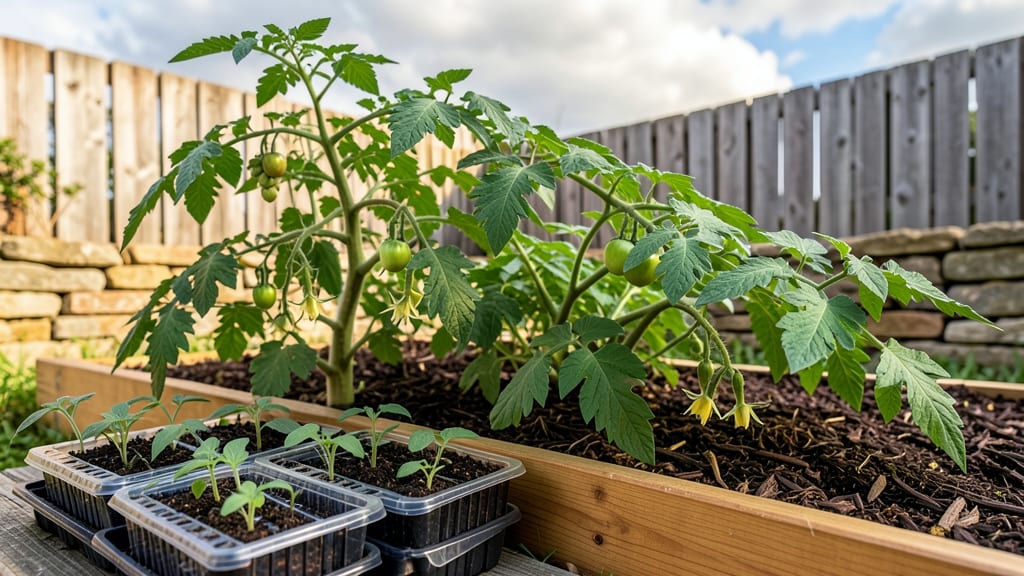
Your vegetable planting season chart is the secret to turning "maybe next year" into "harvesting now." 🌱 I spent years watching my tomatoes bolt because I planted them too late—and now I’ve mapped out the exact windows for every common veggie in your zone, so you never miss another season.
The chart breaks down when to start seeds indoors, when to transplant seedlings, and how long until harvest for 20+ vegetables. No more guessing whether your zucchini will be ready by July or August—just plug in your zone and follow the timeline.
For example, in Zone 5, you’ll sow peas in early spring, but wait until late May for beans. You’ll also get pro tips for extending seasons with row covers or cold frames, plus a bonus section on companion planting to boost yields.
The payoff? A garden that produces consistently instead of sporadically. Perfect for beginners who want structure and veterans who need a quick reference. Let’s get those dates locked in!
📚 In This Guide
- What you need
- Instructions
- Tips and common mistakes
- Wrapping up and next steps
What you need
- ● Seeds or Seedlings: Choose zone-appropriate varieties (e.g., lettuce, tomatoes, carrots, zucchini). Start with 5–10 plants per type for a beginner-friendly garden.
- ● Organic seeds (non-GMO) for best results.
- ● Soil: 1–2 cubic yards of high-quality garden soil or potting mix (depending on garden size).
- ● Compost (5–10 gallons) for enriching soil nutrients.
- ○ Optional: Raised bed mix if using containers or raised beds.
- ● Planting Tools: Hand trowel ($5–$15)
- ● Garden gloves (1–2 pairs)
- ● Pruners ($10–$20)
- ● Watering can or hose with adjustable nozzle
- ● Measuring tape (for spacing plants)
- ● Fertilizers & Amendments: Balanced organic fertilizer (e.g., 10-10-10 or compost tea)
- ● Slow-release granules (1–2 lbs per 100 sq ft)
- ○ Optional: Mulch (straw or wood chips, 2–3 inches thick) to retain moisture.
- ● Location: Sunny spot with 6–8+ hours of sunlight daily (adjust for shade-tolerant veggies like lettuce).
- ● Water Source: Easy access to water (drip irrigation or soaker hoses save time!).
- ● Weather Check: Know your last frost date (use the Old Farmer’s Almanac for zone-specific info).
- ○ Optional (But Helpful!): Garden journal to track planting dates and harvests.
- ● Row covers or frost blankets for early/late-season protection.
- ● Pest deterrents (e.g., neem oil, companion plants like marigolds).
How to plan your vegetable planting season by hardiness zone
Here's the straightforward way to time your planting for maximum harvests—no guesswork, just science.
🌱 Step 1: Determine Your USDA Hardiness Zone
Find your zone using the USDA Plant Hardiness Zone Map by entering your ZIP code. This tells you your average annual minimum temperature, which is the single biggest factor in when to plant. For example, Zone 5 (-20°F to -10°F) has a much shorter growing season than Zone 9 (20°F to 30°F).
Write down your zone number—it's the foundation for every planting decision. I keep a small card with my zone (7b) and frost dates taped to my gardening toolbox so I never forget. This ensures I don't plant heat-lovers too early or frost-sensitive crops too late.
⏰ Step 2: Calculate Your Last Frost Dates
Use your zone to find your average last spring frost and first fall frost dates. The Old Farmer's Almanac provides these by region, or check your local cooperative extension service for precise local data. For instance, in Zone 6, the last frost typically occurs around April 15, while Zone 8's last frost is closer to March 1.
Mark these dates on your calendar with bright markers. I use red for last frost and blue for first frost—it makes the timeline instantly visual. These dates determine when to start seeds indoors, transplant seedlings, and pull up frost-sensitive crops.
☀️ Step 3: Organize Crops by Heat Requirements
Divide your vegetables into three groups: cool-season crops (like lettuce, peas, and broccoli), warm-season crops (like tomatoes, peppers, and cucumbers), and year-round growers (like kale, spinach, and carrots). Each group has specific temperature ranges for optimal growth.
Cool-season crops thrive when soil temperatures are between 45°F and 75°F, while warm-season crops need soil temps above 60°F to germinate. I color-code my planting journal—green for cool-season, red for warm-season—so I can quickly see what belongs where and when.
📅 Step 4: Create Your Planting Timeline
For cool-season crops, plant seeds or transplants 4-6 weeks before your last frost date. Warm-season crops should go in 2-3 weeks after your last frost, once soil temperatures consistently reach 60°F. Use a soil thermometer to check—it's the only way to be sure.
Plan for successive plantings of fast-growing crops like lettuce and radishes every 2-3 weeks to ensure a continuous harvest. I set reminders on my phone for each planting window so I don't miss opportunities. This method guarantees you'll always have fresh produce, even if the season is short.
✂️ Step 5: Adjust for Fall Harvests
Start warm-season crops again 90-100 days before your first fall frost to squeeze in a late harvest. Cool-season crops can often handle light frosts, so plant them 6-8 weeks before your first frost for a fall-to-winter supply. In Zone 5, this might mean planting spinach in early August for a harvest before the ground freezes.
Use row covers or cold frames to extend the season even further. I've successfully grown kale and carrots well into December with just a simple row cover. Keep track of what works in your zone—your garden journal will become your most valuable tool over time.
Tips & tricks for perfect vegetable planting timing
Here's what nobody tells you about making your planting schedule foolproof—these tricks save time and headaches every season.
Zone-Specific Adjustments: Your exact hardiness zone matters more than you think. For example, in Zone 5 (where I garden), I plant cool-season crops like spinach 6 weeks before my last frost date—not the generic 4-6 week range—because my zone's shorter growing season demands precision. Check your local cooperative extension service for micro-climate adjustments within your zone.
Soil Temperature is Non-Negotiable: Warm-season crops like tomatoes won't germinate until soil hits 60°F consistently. I use a soil thermometer (only $15) to verify—don't guess! In cooler zones, I sometimes use black plastic mulch to warm the soil faster. This is the #1 reason warm-season plants fail to sprout.
Visual Frost Date Tracking: Color-coding your frost dates on a calendar isn't just cute—it's crucial. I use red for last frost and blue for first frost, with a third color for average dates. When April 15 rolls around in Zone 6, I instantly know it's time to harden off seedlings. Pro tip: Add sticky notes with your zone's specific frost dates right to your garden calendar.
Season Extension Hacks: Don't let your growing season end with the first frost. I've successfully grown kale and carrots well into December using simple row covers. For warm-season crops, start your second planting 90-100 days before your first frost date—this late harvest strategy gives me tomatoes in October when most gardens have given up.
Pro Tips for Vegetable Planting Season Chart
- Here's what nobody tells you about making your planting schedule foolproof—these tricks save time and headaches every season.
- Zone-Specific Adjustments: Your exact hardiness zone matters more than you think.
- Soil Temperature is Non-Negotiable: Warm-season crops like tomatoes won't germinate until soil hits 60°F consistently.
Frequently asked questions
Got questions about timing, zones, or troubleshooting your veggie garden?
Here are the answers to the most common queries to help you plan like a pro!
When is the best time to start planting in my zone?
Check your USDA Plant Hardiness Zone—most cool-season crops (like lettuce or peas) thrive in early spring (3–4 weeks before last frost), while warm-season veggies (tomatoes, peppers) need after the last frost (typically May–June in most zones). Use our zone-specific chart for exact dates!
Can I plant vegetables in fall or winter?
Many veggies—like kale, spinach, carrots, and broccoli—love cooler weather. Plant them 8–10 weeks before your first expected frost (check local averages). In warmer zones (8–10), you can even grow winter crops like Brussels sprouts or cabbage. Just extend your season with row covers or cold frames!
What if my planting season is too short?
No problem! Try successive planting (sowing seeds every 2–3 weeks) for crops like beans or zucchini. For heat-sensitive plants (e.g., lettuce), use shade cloth in summer. Or opt for fast-maturing varieties (look for "early harvest" labels). Container gardening also lets you move plants to sun/shade as needed!
Why did my plants die after following the chart?
Common culprits:
- Frost damage: Wait until soil temps are consistently above 50°F for warm-season crops.
- Over/under-watering: Most veggies need 1–1.5 inches of water weekly (drip irrigation helps!).
- Poor soil: Amend with compost 4–6 weeks before planting.
- Pests/disease: Rotate crops yearly and use row covers early on.
Check our garden rescue guide for fixes!
How do I adjust for microclimates (e.g., urban heat islands)?
Microclimates—like sunny south-facing walls or shaded patios—can shift planting times by 2–4 weeks. Test your spot: Use a soil thermometer (ideal: 60–70°F for seeds). For hot areas, plant heat-tolerant varieties (e.g., 'Black Krim' tomatoes) or use mulch to cool soil.
Still stumped? Drop your zone + crop into our interactive tool for personalized tips!
Wrapping up and next steps
Mastering your vegetable planting season chart is the first step to a bountiful, homegrown harvest! Whether you're a beginner or a seasoned gardener, understanding your zone’s timing ensures healthier plants and more rewarding yields.
Now that you’re armed with this knowledge, take action—sketch your garden layout, mark key dates, and start prepping your soil. Every seed you plant today is a future meal waiting to happen! 🌱
🌟 Ready to Grow?
Next, dive into our planting guides for step-by-step tips on sowing, spacing, and caring for your favorite veggies. Happy gardening—your table (and taste buds) will thank you!