
Planting
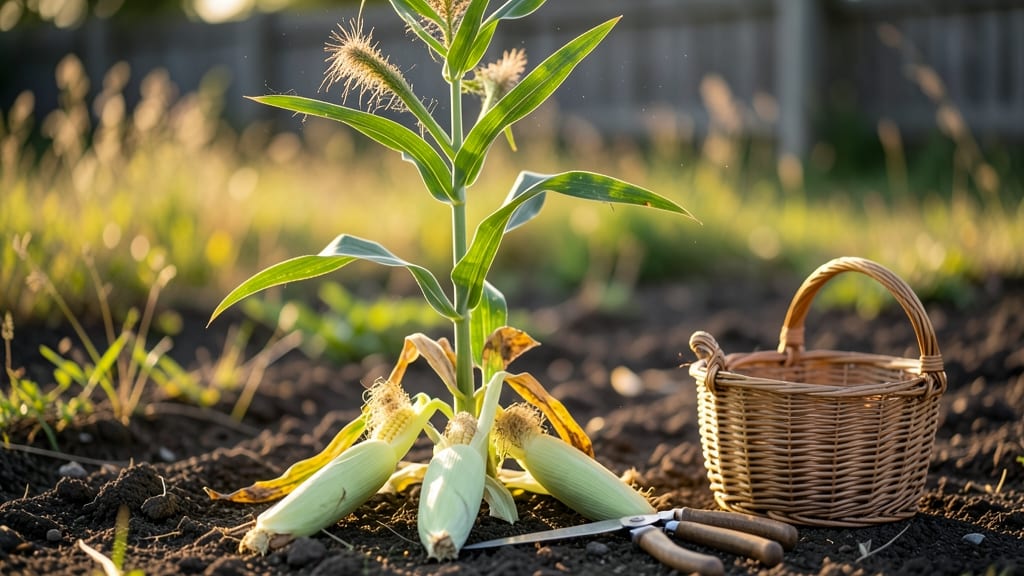
Corn season begins when soil warms to 60°F and the last frost has passed — timing that shifts dramatically from Zone 3 to Zone 11.
Picture this: you’ve got your seeds ready, the soil is prepped, and then—BAM—a late frost wipes out weeks of work. That’s why knowing exactly when corn season starts in your area is the difference between a backyard full of 🌽 and a sad, empty patch of dirt.
In cooler climates like USDA Zone 6a, corn goes in the ground in April or early May, while Southern growers might plant as early as March. But regional variations aren’t the only factor—soil temperature, variety choice, and even microclimates play a role in stretching your harvest window.
Below, I’ll break down the ideal planting months for every zone, how to adjust for early or late starts, and the one trick that can add 30 days to your growing season—no matter where you live.
USDA Zone corn planting calendar: exact months by hardiness Zone
Corn thrives on precise timing—plant too early and risk frost damage, too late and miss peak harvest season. Your USDA hardiness zone determines the exact window for planting sweet corn, popcorn, or field corn varieties.
I’ve broken down the ideal planting months for zones 3 through 11, including early, mid, and late-season varieties to maximize your yield.
Key factors like last frost dates and soil temperature (corn needs at least 60°F soil) dictate when to start seeds indoors or sow directly. For example, Zone 3 gardeners must wait until late May, while Zone 10 growers can plant as early as February.
Let’s dive into the exact calendar for your zone.
| USDA Zone | Last Frost Date | Ideal Planting Window | Early Varieties | Mid Varieties | Late Varieties |
|---|---|---|---|---|---|
| 3-4 | Mid-May | Late May - Early June | Early Sunglow (60 days) | Golden Bantam (75 days) | Silver Queen (90 days) |
| 5-6 | Mid-April | Late April - Early May | Ambrosia (65 days) | Peaches and Cream (70 days) | Country Gentleman (95 days) |
| 7-8 | Mid-March | Early April - Late April | Early Golden Bantam (60 days) | Silver Queen (85 days) | Bodacious (100 days) |
| 9-10 | Late January | February - March | Sweet Succotash (65 days) | Peaches and Cream (70 days) | Pride of Florida (110 days) |
| 11 | None (year-round) | Year-round (stagger plantings) | Early Sunglow (60 days) | Ambrosia (65 days) | Country Gentleman (95 days) |
For Zones 3-4, where frost lingers late, focus on short-season varieties like Early Sunglow (60 days) to harvest before fall frost. Plant seeds after soil warms to 60°F—use a soil thermometer to avoid delays.
In Zones 5-6, you can start early April with varieties like Ambrosia (65 days) for a June harvest.
Gardeners in Zones 7-8 enjoy longer seasons and can plant early April for harvests by July-August. Choose mid-season varieties like Silver Queen (85 days) for consistent yields. In warmer Zones 9-10, plant February-March and stagger varieties to enjoy corn from spring through fall.
Zone 11 growers can plant year-round, but stagger varieties every 2-3 weeks for continuous harvests. Heat-tolerant varieties like Pride of Florida (110 days) thrive in these climates. Always monitor soil moisture—corn needs 1-2 inches of water weekly during tasseling and ear development.
Pro tip: Use row covers in cooler zones to
How to extend corn season: tips for early and late planting success
Sweet corn thrives on timing, but what happens when your USDA zone limits traditional planting windows? The good news is that with the right strategies, you can extend corn season by weeks—even months—in both cooler and warmer climates.
Whether you're dealing with late spring frosts or scorching summer heat, these proven techniques will help you push your harvest window and enjoy fresh ears longer.
For gardeners in northern zones (3-6), cold frames and row covers are game-changers, allowing you to start seeds weeks earlier. Meanwhile, those in southern zones (7-11) can opt for heat-tolerant varieties and soil warming methods to delay planting until summer's peak.
The key is understanding your local climate patterns and adapting your approach accordingly.
- Use cold frames to start seeds 4-6 weeks earlier in cool zones (3-6)
- Apply black plastic mulch to warm soil 1-2 weeks before planting in warm zones (7-11)
- Choose early-maturing varieties (55-65 days) for spring plantings
- Plant succession crops every 2 weeks for continuous harvests
- Use row covers to protect young plants from late frosts
One of my favorite tricks for early planting is using a cold frame or mini greenhouse. These portable structures trap heat from the sun, allowing soil temperatures to rise faster than ambient air.
I've successfully started corn seeds in Zone 5 as early as mid-March using this method, giving me a head start on the season. Just be sure to remove covers during the day once seedlings emerge to prevent overheating.
For those in warmer climates, heat-tolerant varieties like 'Peaches and Cream' or 'Silver Queen' can handle late summer plantings when soil temperatures exceed 85°F (29°C). Pair these with shade cloth during the hottest afternoons to protect young plants.
I've had great success planting in Zone 9 as late as early July using these techniques, extending my harvest into October.
Don't forget about succession planting—this simple strategy lets you enjoy fresh corn for months. By planting new rows every 2-3 weeks throughout the season, you create a rolling harvest.
In my Zone 6a garden, this means starting the first planting in late April and finishing by mid-July, with continuous harvests through September. The secret is keeping a planting calendar and rotating varieties with different maturity dates.
Finally, always monitor your soil temperature—corn won't germinate well below 50°F (10°C) and performs best between 60-85°F (15-29°C). Use a soil thermometer to check conditions before planting.
In cooler zones, I've found that black plastic mulch can raise soil temperatures by 5-10°F within days, making it possible to plant earlier without risking poor germination.