
Plants
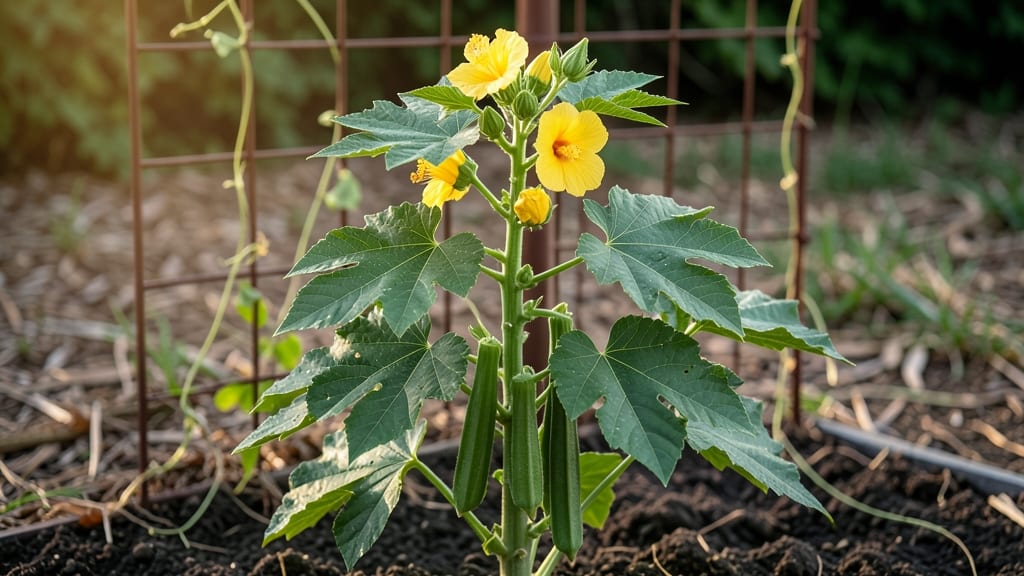
Planting okra in the right season 🌱 is the key to a garden bursting with tender, flavorful pods—miss the timing, and you’ll end up with tough, seedy stalks instead of the harvest you crave.
If you’ve ever dreamed of harvesting crisp okra straight from your garden, timing is everything—get the season wrong, and you’ll miss peak flavor and yield entirely.
This heat-loving plant demands warmth, so whether you’re in the deep South or a cooler zone like 6a, knowing when to start seeds (and when to give up) makes all the difference.
Okra thrives in summer’s long days, but its short growing season means you’ll need to act fast. In most regions, seeds go in the ground after last frost, typically by late April or early May, with harvests rolling in by July.
But in colder climates, you might only get one shot at a full yield—so choosing the right variety and planting strategy is non-negotiable.
Below, I’ll break down the best planting windows by zone, how to stretch your harvest, and the common mistakes that turn hopeful gardeners into okra skeptics. Ready to turn your summer garden into a pod-producing powerhouse?


Best okra planting seasons by USDA hardiness zones
Okra thrives in warm climates and despises frost, making timing critical for success. Unlike cool-season crops, okra grows best when soil temperatures consistently stay above 60°F (15°C).
In northern zones, this means waiting until late spring, while southern gardeners can plant as early as March or even start seeds indoors.
Your USDA Hardiness Zone determines whether you'll plant okra in early spring or late summer. Zones 7-11 enjoy longer growing seasons, while zones 3-6 face shorter windows and must time carefully to avoid early frost. Let’s break down the best planting windows for each zone to maximize your harvest.
🌱
| USDA Zone | Ideal Planting Window | Soil Temp Threshold | Frost Risk | Harvest Window |
|---|---|---|---|---|
| 3-4 | Late May - Early June | 60°F+ | High (short season) | July - August |
| 5-6 | Mid-April - Late May | 60°F+ | Moderate | June - September |
| 7-8 | March - Early May | 60°F+ | Low | May - October |
| 9-10 | February - April | 60°F+ | None | April - November |
| 11 | Year-round (best Feb-Jun) | 60°F+ | None | March - December |
In zones 3-4, where frost lingers late, plant okra only after your last frost date—typically late May to early June. These regions have short growing seasons, so opt for fast-maturing varieties like 'Clemson Spineless' (50-55 days) to ensure a harvest before fall frost hits in September.
Gardeners in zones 5-6 enjoy slightly more flexibility, planting from mid-April to late May. Here, you can stretch the season by starting seeds indoors 4-6 weeks before the last frost and transplanting outdoors once soil warms. A black plastic mulch can accelerate soil warming by 10-1
How to extend your okra harvest season for continuous yield
Okra thrives when given the right conditions, but its natural growing season can feel short—especially if you want a steady supply of fresh pods. The key to extending your harvest lies in smart planning and understanding your plants' needs.
By using succession planting, managing soil temperatures, and leveraging companion plants, you can keep your okra producing well beyond its typical window.
First, let’s tackle the biggest challenge: short-season limitations. Okra plants are heat-lovers, but they also need a long enough growing period to mature. In cooler climates, this means planning ahead to maximize your harvest window.
Start by choosing fast-maturing varieties like ‘Clemson Spineless' or ‘Emerald', which can go from seed to harvest in as few as 50 days.
- 1. Succession Planting: Sow seeds every 2-3 weeks after the last frost to stagger maturity and harvest dates.
- 2. Soil Temperature Control: Use black plastic mulch to warm soil faster in spring or extend the season with row covers in fall.
- 3. Companion Planting: Pair okra with basil or marigolds to deter pests and improve growth conditions.
Next, focus on soil temperature management. Okra seeds won’t germinate well in cold soil—aim for 60°F or warmer. If your spring starts cool, use black plastic mulch or a cold frame to create a warmer microclimate.
This not only speeds up germination but also helps roots establish faster, giving you a head start on the growing season.
For those late-summer harvests, consider using row covers or even a small greenhouse to protect your plants from early frosts. Okra is frost-sensitive, but with a little extra insulation, you can push your harvest into early October or even later in mild climates.
Just remember to remove covers during the day to prevent overheating.
Don’t overlook the power of companion planting. Okra pairs beautifully with basil, which repels pests like aphids and whiteflies, and marigolds, which deter nematodes. Avoid planting okra near potatoes or beans, as they can compete for nutrients or attract similar pests.
By creating a diverse garden bed, you’ll reduce stress on your okra plants and encourage healthier, more productive growth.
Finally, harvest consistently to encourage continuous production. Okra pods mature quickly, so check your plants every 2-3 days and pick when they’re 3-4 inches long. Leaving pods on the plant too long will make them woody and bitter, signaling the plant to stop producing.
With these strategies, you’ll enjoy a steady supply of fresh okra from early summer to late fall—or even longer in the right conditions! 🌿