
Picking
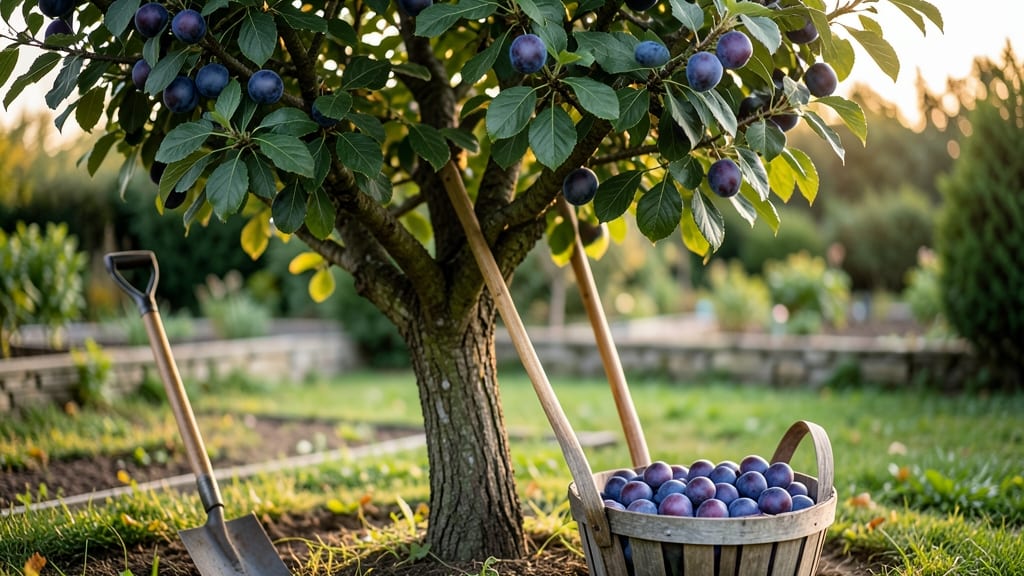
Timing the plum harvesting season perfectly transforms a summer chore into a burst of juicy sweetness—miss it, though, and you’ll end up with bland, mealy fruit that’s barely worth eating.
Picture this: a July afternoon in Zone 6, where your 🍑 trees are heavy with fruit. One wrong move, and you’ll pick plums that are either too hard or already fermenting on the branch. The key? Knowing your zone, variety, and the three foolproof ripeness tests that guarantee perfect timing.
From early European plums in June to late Japanese varieties in August, harvest windows shift by weeks depending on where you live. Even in the same backyard, a north-facing tree might ripen two weeks later than its south-facing neighbor.
Below, I’ll break down the exact months for your zone, the color, texture, and scent clues to watch for, and how to store your harvest so it stays fresh for weeks—no more sad, shriveled plums in the fridge.


Plum harvesting months by USDA hardiness zones (exact timing guide)
Timing your plum harvest correctly transforms mealy, bland fruit into sweet, juicy perfection. The USDA hardiness zone you live in dramatically shifts when plums reach peak ripeness—northern growers may harvest in July, while southern gardeners enjoy fruit as late as September.
Understanding these zone-specific windows ensures you never miss the best flavor.
Early-season varieties like Stanley or Methley ripen first, often in late June to early July, while late varieties such as Santa Rosa or Larry Kelley hold onto their fruit until August or September.
Climate also plays a role—cooler northern zones (like Zone 3-5) have shorter harvest windows, while warmer southern zones (like Zone 8-10) can stretch harvests by weeks.
Here’s the critical zone-by-zone breakdown to plan your harvest:
| USDA Zone | Early Varieties | Mid-Season Varieties | Late Varieties | Peak Months |
|---|---|---|---|---|
| 3-4 | Stanley (June 25) | Methley (July 5) | None (too cold) | Late July |
| 5-6 | Stanley (July 1) | Methley (July 10) | Larry Kelley (July 25) | July 1-25 |
| 7-8 | Santa Rosa (June 20) | Methley (July 5) | Larry Kelley (Aug 10) | June 20-Aug 10 |
| 9-10 | Santa Rosa (June 15) | Friar (July 15) | Black Diamond (Aug 25) | June 15-Sep 1 |
In Zones 3-4, plums ripen quickly due to shorter summers, so I recommend harvesting Stanley by July 15 to avoid overripening. Gardeners in Zones 5-6 have a slightly longer window, but late varieties like Larry Kelley must be picked before August 1 to prevent bird damage and fruit drop.
Southern growers in Zones 7-10 enjoy extended harvests. For example, Santa Rosa plums in Zone 9 may start ripening as early as June 15, while Black Diamond holds until late August.
Heat waves can accelerate ripening, so check fruit daily during July and August to avoid missing the peak.
Temperature also affects harvest timing. In cooler zones, below 60°F nights can delay ripening, while consistent 75°F+ days in southern zones speed it up. If your area experiences unseasonable heat, plums may ripen 2-3 weeks earlier than expected—watch for color changes and stem separation as key signals.
Pro tip: Use a harvest calendar to track your local last frost date and adjust for early or late varieties. For instance, if you’re in Zone 6 and planted Methley, mark July 10 as your target date and check fruit every 3-4 days leading up to it.
Missed the harvest window? Don’t worry—some late varieties, like Black Diamond, can hold on the tree for up to 2 weeks past their peak if stored in a cool, shaded spot.
But for the best flavor, aim to harvest when the fruit is fully colored, slightly soft**, and releases easily from the stem.
🌱
5 Key signs your plums are ripe (and ready to pick)
Picking plums at the perfect moment transforms your harvest from mealy disappointment to bursting sweetness. While color is a starting point, many gardeners overlook subtle cues that reveal true ripeness.
I’ve learned the hard way—green-tinged plums taste bland, while overripe fruit turns mushy within hours. The secret lies in combining visual, tactile, and even olfactory clues for foolproof results.
Don’t rely solely on skin color—some varieties stay green until fully ripe! Instead, master these five non-negotiable ripeness tests that work for European, Japanese, and American plums.
Pro tip: Test a few fruit from different branches—ripening varies even on the same tree. This method prevents premature picking (which ruins storage potential) and overripe waste.
- 🍑 Stem Separation Test: Gently twist the fruit—ripe plums separate cleanly with minimal force. Unripe fruit clings tightly.
- 🤏 Skin Texture: Press gently—ripe plums yield slightly (like a ripe peach) without denting. Hard fruit needs more time.
- 👃 Sweet Aroma: Crush a small section—ripe plums release a perfumed, fruity scent. Underripe fruit smells bland.
- 🍯 Internal Sugar: Cut one test plum—juice should flow freely with minimal pressure. Dry flesh means it’s not ready.
- 📅 Variety Timeline: Early varieties (like Stanley) ripen in July, while late types (like Santa Rosa) peak in August-September.
Here’s how to avoid the two biggest harvesting mistakes: First, never pick for storage too early—plums ripen off the tree but lose quality. For long-term storage, harvest when 75% ripe (test using the stem twist) and let them finish indoors.
Second, don’t wait until plums split—this signals overripeness, attracting pests like fruit flies and birds.
For fresh eating, wait until plums are fully colored and slightly soft. I like to sample one plum daily from a marked branch—this lets me track ripening without damaging the tree.
Pro move: Use a fruit lever (a small hook tool) to avoid bruising. This preserves the skin’s protective wax layer, keeping plums fresher longer.
One trick I learned from a California orchardist is the "float test": Fill a bowl with water—ripe plums sink slightly (they’re 70-80% water), while unripe ones float.
Combine this with the stem twist for 100% accuracy. This method works especially well for green-skinned varieties like Santa Rosa, which fool color-based tests.
Remember: Plum ripeness varies by variety and climate. In hotter zones (8-10), fruit may ripen 2-3 weeks earlier than in cooler zones (3-6). Keep a harvest journal to track your tree’s pattern—note the year’s first frost date and average summer temperatures.
With practice, you’ll anticipate ripening like a pro, ensuring every plum you pick is at its peak flavor and texture. 🌱