
Companion Plants
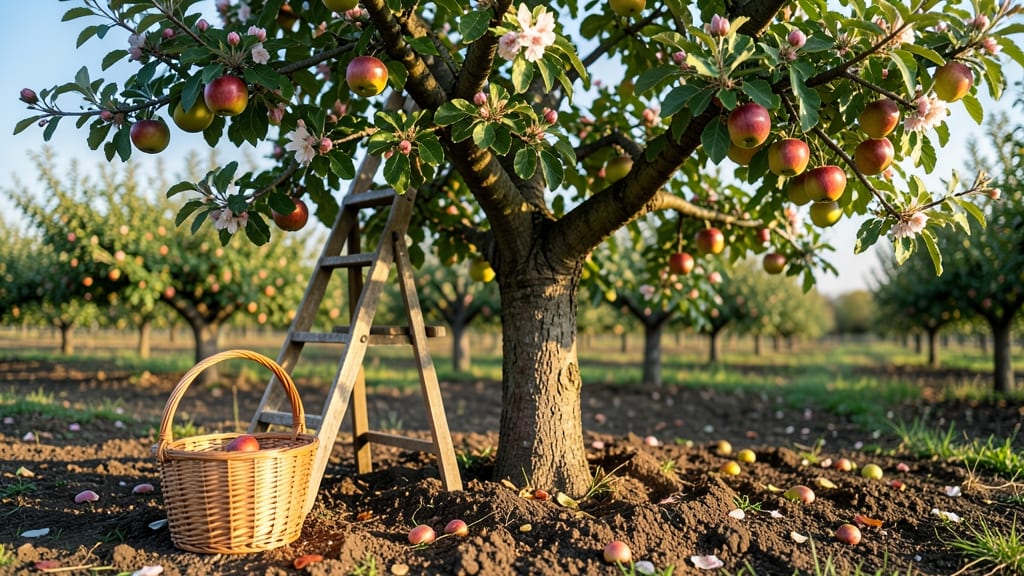
Sugar apples ripen during the late summer to early fall season—a window that feels like a tropical gift when you’ve waited years for that first creamy, sweet bite.
If you’ve ever bitten into a ripe sugar apple and wondered, ‘When is the perfect time to harvest mine?’—you’re not alone. Timing is everything, and missing this season by even a week can mean the difference between a sweet, creamy treat and a bland disappointment.
In USDA Zones 10-12, where these trees thrive, fruit typically matures between August and October, but cooler microclimates (like high-altitude Florida) may shift that window by 2-3 weeks.
Beyond the calendar, spotting the ideal moment relies on cues like a yellow-green skin, a sweet fragrance, and a slight give when pressed. These signs matter more than dates—especially if you’re growing near the edges of the sugar apple’s range, where weather can be unpredictable.
Once you’ve mastered the harvest, the real fun begins: turning your bounty into smoothies, preserves, or even fermented drinks. I’ll walk you through the exact ripeness tests, how to stretch your season with smart pruning, and the best ways to store (or share!) your crop before it’s gone.
USDA Zone-by-Zone sugar apple harvest calendar: exact months for peak ripeness
Sugar apples (Annona squamosa) thrive in warm climates, but their harvest windows vary dramatically depending on your USDA zone. In Zone 10-11, you can enjoy year-round harvests with proper care, while Zone 9 gardeners get a longer summer-to-fall window.
Meanwhile, Zone 8 growers must act fast—harvests shrink to just 2-3 months before frost risks. Understanding these patterns helps you time your harvest for peak flavor and avoid wasted fruit.
Regional microclimates also play a huge role. In Florida's humid heat, sugar apples often ripen earlier than in California's coastal fog zones or Texas' hotter inland areas. Even within the same zone, a sheltered microclimate can push harvests by 2-4 weeks.
For example, Miami's Zone 11 might see fruit ready by April, while San Diego's Zone 10 waits until June for the same variety.
Here’s your zone-specific harvest calendar, including early, mid, and late-season varieties to maximize your tropical fruit bounty. Use this as your guide to pick at peak ripeness—because once sugar apples overripe, they turn mealy and lose sweetness faster than most fruits.
🌱
| USDA Zone | Early Varieties | Mid-Season | Late Varieties | Peak Months | Regional Notes |
|---|---|---|---|---|---|
| Zone 3-5 (Container Grown) | None (too cold) | None (too cold) | None (too cold) | Indoor only (Nov-Mar) | Overwinter indoors; no outdoor harvest |
| Zone 6-7 | 'Golden Sweet' | 'Pineapple Sugar' | 'Sweet Ruby' | Aug-Sept | Protect from frost; harvest before first freeze |
| Zone 8 | 'Early Red' | 'Florida Beauty' | 'Custard Apple' | July-Oct | Southern exposure extends season by 2-3 weeks |
| Zone 9 | 'Tropical Sweet' | 'Honeycomb' | 'Atemoya' | June-Nov | Coastal areas ripen earlier; inland delays by 1 week |
| Zone 10 | 'Sweet Gem' | 'Cherimoya' | 'Sugar Belle' | May-Dec | Desert zones ripen earlier; coastal fog delays by 3 weeks |
| Zone 11 |