
Vegetables
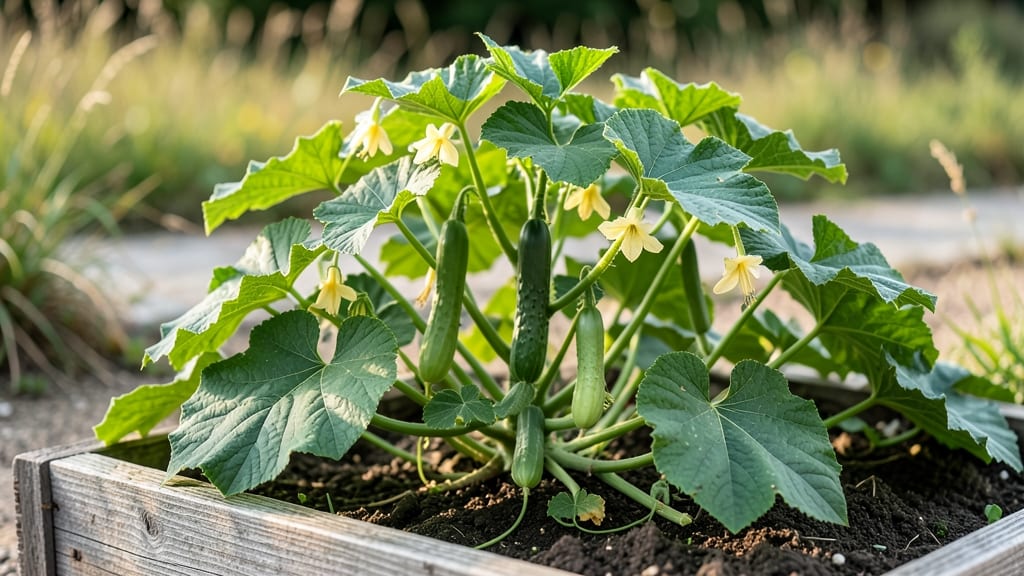
California’s year-round growing season makes it possible to harvest fresh vegetables every month—no matter where you live in the state. 🌱 From coastal regions with mild winters to inland valleys that bake in summer, each microclimate has its own calendar of crisp greens, sweet tomatoes, and heirloom treasures.
My first garden here taught me that timing is everything: plant lettuce in winter when coastal fog keeps roots cool, or swap to heat-tolerant malabar spinach by June when inland temps soar.
The real magic happens when you match varieties to your region. Coastal gardeners can grow artichokes in winter (they thrive in 40°F soil), while inland growers focus on summer crops like okra and sweet potatoes that love the heat.
Even in the same county, a 5-mile elevation change can shift your planting window by weeks—so knowing your frost dates and microclimates saves you from wasted seeds. I learned this the hard way when my high-desert tomatoes bolted in May while my valley friends were still harvesting.
By following this seasonal guide, you’ll know exactly when to plant, harvest, or source each vegetable locally—whether it’s heirloom tomatoes in July or crisp fennel in December. The payoff?
Homegrown produce that outshines anything at the grocery store, with flavors so vibrant they’ll make you question why you ever bought store-bought. Plus, you’ll discover California’s unique varieties like ‘Black Krim’ tomatoes or ‘Romanesco’ broccoli that thrive here but disappear in other states.
We’ll break it down by month and region so you can plan your garden (or farmers’ market trips) with confidence. Whether you’re a backyard gardener or just love fresh, local food, this is your roadmap to eating like a Californian all year long.
📚 In This Guide
- What you need
- Instructions
- Tips and common mistakes
- Wrapping up and next steps
What you need
- ● Fresh seasonal produce: Prioritize California-grown veggies like artichokes (spring), tomatoes (summer), kale (fall/winter), and carrots (year-round). Aim for 2–3 lbs per person for meals.
- ● Storage containers: Glass or BPA-free plastic bins (3–5 quart sizes) to keep veggies crisp in the fridge.
- ● Cutting board: Large (12"x16") with a non-slip mat for safety.
- ● Sharp chef’s knife: 8–10" for chopping, plus a serrated knife for tomatoes/cucumbers.
- ● Garden tools: Trowel, pruners, and a 5-gallon bucket for harvesting homegrown veggies.
- ● Meal prep tools: Vacuum sealer (to extend shelf life) or a steamer basket for quick cooking.
- ● Recipe guides: A notebook or app (like California Harvest) to track seasonal swaps.
Instructions for planning a year-round California vegetable garden
California’s mild climate lets you grow fresh produce all year—here’s how to organize your planting schedule for maximum harvests.
🌱 Step 1: Divide the Year Into Four Planting Zones
California’s seasons don’t follow the typical spring-fall pattern. Instead, think in terms of cool-season crops (fall/winter), warm-season crops (spring/summer), and year-round staples. Start by mapping your garden into four zones based on temperature tolerance. Zone 1 (coolest) handles 50-65°F nights, while Zone 4 (hottest) thrives in 75-90°F days.
I like to sketch my garden layout with colored markers—blue for cool crops (lettuce, broccoli), red for warm crops (tomatoes, peppers), and green for year-round keepers (kale, Swiss chard). This visual helps me avoid planting heat-sensitive crops when nights dip below 55°F.
☀️ Step 2: Schedule Plantings by Month
Direct-sow cool-season crops like spinach and peas in September-October for winter harvests. Warm-season crops (like cucumbers and beans) go in March-April after the last frost. I’ve found that planting every 2-3 weeks from March through September ensures a steady supply of tomatoes and peppers.
Use a simple calendar system: mark transplant dates (like 60 days before first frost) and harvest windows. For example, plant broccoli seeds in August for a December-January harvest. This prevents overcrowding and guarantees fresh produce when you need it most.
💧 Step 3: Adjust Watering for Seasonal Shifts
California’s dry summers mean deep watering twice weekly for warm-season crops, while winter rains often reduce needs to once every 7-10 days. I test soil moisture by sticking my finger 1 inch deep—if it’s dry, water thoroughly until it drains from the bottom of the pot or bed.
Mulch heavily in summer with 2-3 inches of straw or wood chips to retain moisture and cool roots. In winter, reduce mulch to 1 inch to prevent rot in soggy soil. This balance keeps plants thriving year-round without overwatering or drowning roots.
✂️ Step 4: Prune and Succession Plant for Continuous Harvests
Remove spent plants (like bolting lettuce) immediately to make room for fast-growing radishes or carrots. I’ve found that harvesting every 2-3 weeks encourages new growth—think of it like trimming hair to keep it healthy. For example, cut bush beans at their peak and replant in the same spot in 2 weeks.
Save seeds from heirloom tomatoes and peppers in late summer to replant next season. Label varieties clearly—California’s microclimates can make seed-saving tricky, but a simple notebook with harvest dates and flavors keeps track of what works best in your zone.
🌿 Step 5: Rotate Crops to Prevent Disease
Never plant the same family (like tomatoes and peppers) in the same spot two years in a row. Instead, rotate them with beans or onions, which don’t share pests. I mark my garden grid with stakes labeled by year—this prevents soil-borne diseases like verticillium wilt from building up.
Add compost or aged manure every 3-4 months to replenish nutrients. California’s fast-draining soils need frequent feeding, especially for heavy feeders like corn and squash. A quick soil test (available at local nurseries) tells you exactly what’s missing.
Tips & tricks for year-round California vegetable gardening
California’s unique climate means you can grow fresh vegetables all year—but only if you plan strategically. Here’s how to maximize your harvest without common gardening pitfalls.
Temperature Zone Visualization: I’ve found that color-coding your garden plan makes temperature management intuitive. Use blue markers for Zone 1 (cool crops like lettuce and broccoli that thrive in 50-65°F nights) and red for Zone 4 (heat-lovers like tomatoes and peppers that need 75-90°F days). This visual system helps you quickly spot when a heat-sensitive crop might struggle if nights dip below 55°F—especially in coastal areas where temperature swings happen fast.
Succession Planting Schedule: The key to continuous harvests lies in that 2-3 week planting rhythm mentioned in Step 2. I keep a mini calendar on my fridge with colored dots marking each planting date. For example, after harvesting a batch of bush beans every 2 weeks, I immediately replant the same spot with more beans or fast-growing radishes. This prevents bare soil while ensuring you always have fresh produce ready to pick.
Watering by the Finger Test: That 1-inch soil moisture check in Step 3 is your best friend—especially in California’s variable climate. I’ve learned to test soil moisture at the same time every morning (around 10 AM) for consistency. If your finger comes out clean at 1 inch deep, wait another day. If it’s dry, water until it drains completely from the bottom. This prevents both underwatering and the wasteful runoff from overwatering that’s common in our dry summers.
Disease Prevention Labels: The crop rotation advice in Step 5 works wonders, but I take it one step further by labeling my garden stakes with both the crop AND the year planted. For example, "Tomatoes 2023" means I won’t plant tomatoes there again until 2025. I also keep a simple notebook with notes about which varieties performed best in each zone—this becomes your personal gardening encyclopedia over time.
Pro Tips for Vegetables In Season In California
- California’s unique climate means you can grow fresh vegetables all year—but only if you plan strategically.
- Temperature Zone Visualization: I’ve found that color-coding your garden plan makes temperature management intuitive.
- Succession Planting Schedule: The key to continuous harvests lies in that 2-3 week planting rhythm mentioned in Step 2.
Frequently asked questions
Got questions about California’s seasonal veggies? You’re not alone!
Here are some of the most common queries—plus quick answers to help you plan like a pro.
What’s the best time to plant vegetables in California’s climate?
California’s mild winters and long growing seasons mean you can plant year-round, but timing varies by region. In coastal areas (like San Francisco), start cool-season crops (spinach, kale) in fall/winter and warm-season (tomatoes, peppers) in spring. In hotter inland areas (Central Valley), plant warm-season crops in early spring or late summer to avoid heat stress. Check your USDA zone for precision!
Why do some vegetables only last a few weeks in season?
Short seasons happen due to climate sensitivity—like artichokes (spring) or asparagus (early spring)—or because they’re harvested quickly (e.g., radishes in 3–4 weeks). Others, like zucchini or green beans, thrive in summer but wilt in heatwaves. Pro tip: Succession plant (sow seeds every 2 weeks) to extend harvests!
Where’s the best place to buy locally grown, in-season veggies in California?
Hit up farmers’ markets (e.g., Santa Monica, Berkeley), CSAs (Community Supported Agriculture), or farm stands like Farmers Market at the Mission. For online, try Misfits Market or local grocers with “California-grown” labels. Bonus: Ask vendors for seasonal swaps if your favorite veggie’s out of season!
What’s a good substitute if my favorite in-season veggie isn’t available?
No heirloom tomatoes in winter? Try roasted cherry tomatoes or sun-dried tomatoes. Missing zucchini? Swap in summer squash or eggplant. For salads, kale or arugula replace spinach. Rule of thumb: Match texture (e.g., crunchy = bell peppers → jicama) and flavor profile (sweet = carrots → beets).
How do I keep pests away from my in-season vegetable garden?
California’s aphids, cabbage worms, and garden snails love seasonal crops! Prevent pests naturally:
- Row covers for young plants (e.g., broccoli, cauliflower).
- Companion planting: Basil + tomatoes, nasturtiums + squash.
- Neem oil or soapy water spray for soft-bodied bugs.
- Handpick larger pests (like tomato hornworms) early!
Wrapping up and next steps
California’s year-round bounty of seasonal vegetables makes it a dream for home cooks—whether you’re growing your own or sourcing fresh finds at local markets. From crisp winter greens to sun-ripened summer tomatoes, embracing in-season produce means better flavor, higher nutrition, and lower costs. 🌱
Now that you’re armed with the best times to enjoy each veggie, why not plan your next meal? Try a seasonal recipe or visit a nearby farm stand to taste the difference for yourself. Happy cooking—and happy eating! 😊