
Watering
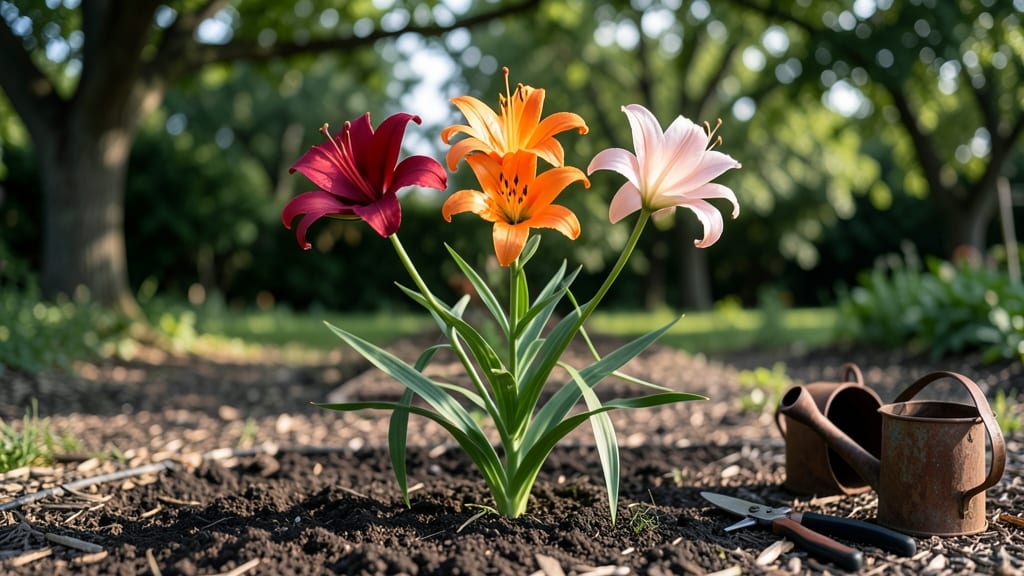
The incredible asiatic lily season begins when you time pruning right—late summer is your secret weapon for next year’s showstopper blooms. 🌸 I’ve learned the hard way that skipping this step means fewer flowers and weaker stems, but a sharp pair of shears and a little planning transform these plants into nonstop performers.
The key is knowing exactly when to cut back, how much to remove, and when to fertilize for that extra punch of fragrance.
Start by waiting until after the foliage yellows but before hard frost—typically late August to September in most zones. In warmer climates, you might extend this until October, but never cut back in spring.
Remove one-third to half of the old leaves, leaving the lower third intact to feed next year’s growth. This isn’t just about looks; it’s about giving your lilies the energy boost they need for bold, vibrant blooms the following season.
After pruning, top the soil with 2-3 inches of compost and a balanced fertilizer to replenish nutrients. Your lilies will reward you with sturdy stems and fragrant blooms that arrive 2-3 weeks earlier than unpruned plants.
The fragrance? Unmatched—especially in morning sunlight when the petals are still dew-kissed. This simple step turns a good garden into a showstopper.
Regional tweaks matter: In Zone 5 or colder, wait until after the first frost to prune, while Zone 8+ gardeners can trim as late as November.
Mulch heavily in winter to protect the roots, and you’ll have lilies that outperform anything you’ve grown before. Ready to make next season your best yet?
📚 In This Guide
- What you need
- Instructions
- Tips and common mistakes
- Wrapping up and next steps
What you need
- ● Pruning shears: Bypass pruners (sharp, clean, and sterilized with rubbing alcohol to prevent disease). Quantity: 1 pair.
- ● Garden gloves: Heavy-duty, cut-resistant gloves (to protect hands from thorns and sap). Quantity: 1 pair.
- ● Disinfectant: 10% bleach solution (1 part bleach to 9 parts water) for sterilizing tools between cuts. Quantity: Small spray bottle or bowl.
- ○ Garden twine or tape: For labeling pruned stems (optional but helpful for tracking growth). Quantity: 1 roll.
- ● Compost bin or bag: For disposing of pruned foliage (avoid adding diseased plants to compost). Quantity: As needed.
- ● Weather check: Prune on a dry, overcast day or in early morning to reduce stress on plants.
- ● Timing: Align pruning with your Asiatic lily season calendar (typically late winter to early spring for dormant pruning, post-bloom in summer).
- ○ Safety gear: Safety glasses (optional but recommended if working near eyes or in dusty conditions).
- ● Notebook or app: For logging pruning dates, plant varieties, and observations (e.g., Gardenate or a simple spreadsheet).
- ● Plant food: Balanced fertilizer (10-10-10 or organic options like compost tea) to replenish nutrients after pruning.
- ● Mulch: Organic mulch (e.g., shredded bark) to retain moisture and protect roots post-pruning.
- ● Camera: To document progress or share blooms with fellow gardeners!
Step-by-step pruning calendar for Asiatic lilies
Timing matters more than technique with Asiatic lilies—follow this seasonal guide to maximize blooms and fragrance.
⏰ Step 1: Late Winter Cleanup (February)
Start by removing any dead or yellowed foliage from last season with clean, sterilized pruners. I like to work on a dry day when the ground is still frozen—this prevents disturbing the dormant bulbs. Cut back stems to about 2 inches above the soil line, but leave any green shoots that have already emerged. These early shoots indicate the plant's vigor and should be preserved.
This is also the time to check for signs of rot or pests. If you spot any mushy bulbs or chewed leaves, dig them up and discard them immediately—you don’t want to spread disease to healthy plants. Healthy bulbs should feel firm and plump, not soft or hollow. Once you’ve cleared debris, apply a 2-inch layer of mulch around the base to protect the bulbs from late winter temperature swings.
🌱 Step 2: Post-Bloom Maintenance (June-July)
After your Asiatic lilies finish blooming—usually in early summer—don’t make the mistake of cutting back the entire plant. Instead, wait until the foliage turns completely yellow and begins to die back naturally. This process, called "leaf senescence," is how the plant stores energy for next year’s blooms. You’ll know it’s time when the leaves look crispy and brown, even if the stems are still standing.
Once the foliage is fully dead, trim the stems back to the ground. This keeps the garden tidy and prevents disease from overwintering in old plant material. Avoid cutting too early—if you remove the leaves while they’re still green, you’ll weaken the bulb’s ability to store nutrients for next season. I like to mark the stems with a small flag or twine so I remember which plants are ready for cleanup.
☀️ Step 3: Mid-Season Trimming (August-September)
If your Asiatic lilies produce seed pods, remove them as soon as they appear. Seed production diverts energy away from bulb development and next year’s blooms. Simply pinch or snip them off at the base with your fingers or pruners—no need for fancy tools. This step is often overlooked, but it’s one of the easiest ways to ensure stronger, more abundant blooms the following year.
At the same time, check for any new shoots emerging from the base of the plant. These are often offsets—baby bulbs that can be carefully dug up and replanted elsewhere in your garden. If you’re not ready to transplant them, leave them be; they’ll just add to next year’s display. Water the area lightly after trimming to help the soil settle and reduce stress on the bulbs.
✂️ Step 4: Fall Preparation (October-November)
As temperatures drop and the ground begins to cool, focus on protecting the bulbs from winter’s harshest conditions. Add a fresh layer of mulch—about 3-4 inches thick—around the base of the plants. I use shredded leaves or straw because they break down slowly and provide insulation without smothering the bulbs. Avoid using thick layers of fresh grass clippings, as they can mat down and trap moisture, leading to rot.
This is also the time to fertilize lightly with a balanced, slow-release fertilizer. A light application in early fall gives the bulbs a gentle boost without encouraging late-season growth that could be damaged by frost. Water deeply once more before the first hard freeze to ensure the bulbs are hydrated for dormancy. If your winters are particularly cold, consider adding a layer of burlap or frost cloth over the mulch for extra protection.
Tips & tricks for perfect Asiatic lily season care
A few subtle adjustments can transform your Asiatic lilies from good to spectacular—here's what I've learned after years of trial and error.
Seasonal Timing is Everything: The 2-inch pruning height in February might seem arbitrary, but it's critical for preserving those early green shoots that signal bulb health. I've found that pruning on a dry, frozen day prevents disturbing the dormant bulbs, which can trigger premature growth. This small detail makes all the difference between vibrant blooms and struggling plants next season.
Visual Cues Matter More Than Dates: In Step 2, when waiting for foliage to turn completely yellow before trimming, look for the crispy brown edges that indicate true senescence. I've ruined multiple seasons by cutting too early—always wait until the stems feel brittle when you gently tug them. This ensures the bulbs store maximum energy for next year's blooms.
Mulch Depth Makes the Difference: That 3-4 inch mulch layer in fall isn't just decoration—it's insulation. I learned this the hard way when a particularly cold winter killed back my lilies after using only 2 inches. Shredded leaves work best because they break down slowly while providing consistent protection. The key is maintaining that thickness throughout winter.
Offset Strategy for Expansion: Those baby bulbs (offsets) you might find in Step 3 are free plants ready to multiply your display! I've doubled my lily population by carefully transplanting offsets every few years. Just dig them when they're about half the size of mature bulbs—you'll know they're ready when they have their own small roots.
Pro Tips for Asiatic Lily Season
- A few subtle adjustments can transform your Asiatic lilies from good to spectacular—here's what I've learned after years of trial and error.
- Seasonal Timing is Everything: The 2-inch pruning height in February might seem arbitrary, but it's critical for preserving those early green shoots that signal bulb health.
- Visual Cues Matter More Than Dates: In Step 2, when waiting for foliage to turn completely yellow before trimming, look for the crispy brown edges that indicate true senescence.
Frequently asked questions
When is the best time to prune Asiatic lilies for optimal blooms?
Prune Asiatic lilies after they finish blooming in late summer (August–September). This gives them time to store energy for next year’s growth. Avoid pruning in early spring—new shoots need all the nutrients they can get!
Do I need special tools to prune Asiatic lilies?
Not necessarily! Clean, sharp bypass pruners (or even garden shears) work great. Sterilize your tools with rubbing alcohol to prevent disease. For large clumps, a spade can help divide roots—just wear gloves!
Will pruning affect my lilies’ fragrance?
Pruning enhances fragrance by promoting healthier growth. Deadheading spent blooms redirects energy to new flowers, often making them more fragrant. Just avoid heavy cuts—focus on removing only what’s wilted or damaged.
What if my Asiatic lilies aren’t blooming after pruning?
Check these fixes:
- Ensure they get 6+ hours of sun daily.
- Water deeply but avoid soggy soil.
- Fertilize lightly in early spring with bulb food.
Can I prune Asiatic lilies the same way as other lilies (like Oriental or Trumpet)?
Not quite! Asiatic lilies are hardier and bloom earlier. Unlike Oriental lilies (which need more winter care), Asiatic lilies tolerate light frosts. Prune them earlier (post-bloom) and avoid heavy cuts—they’re less forgiving than their hybrid cousins.
Wrapping up and next steps
Asiatic lily season is your chance to transform your garden into a fragrant paradise—just remember, timing and care are everything! 🌸 By following this pruning calendar, you’ll not only boost blooms but also keep your lilies healthy and vibrant for years.
Now that you’re armed with the right tools and tips, roll up your sleeves and get pruning!
💡 Next step: Mark your calendar with the key dates and set a reminder to inspect your lilies regularly. With a little effort, you’ll be rewarded with stunning, fragrant blooms that’ll make your garden the talk of the neighborhood. Happy gardening! 🌿