
Blooming
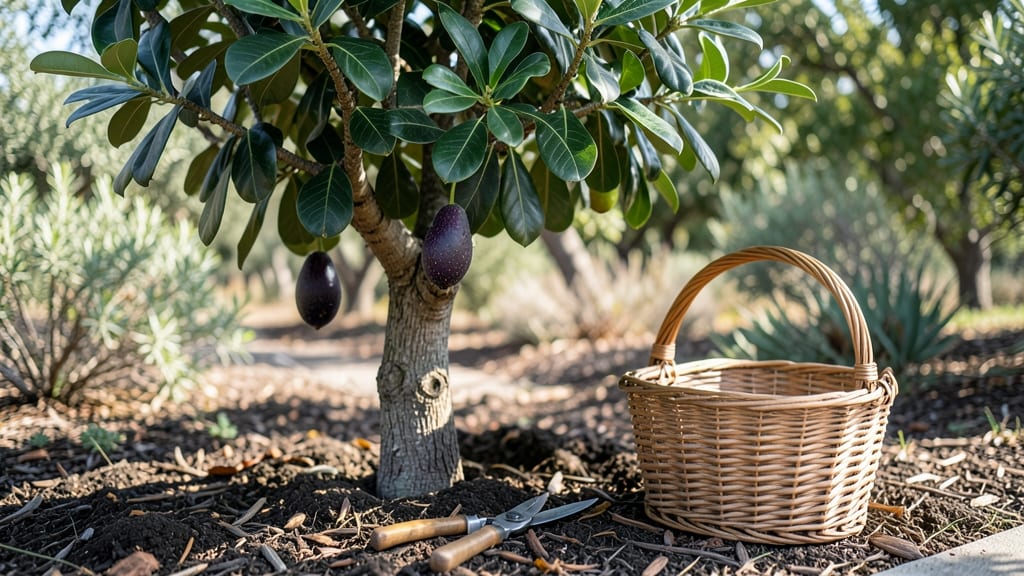
Seasonal avocados deliver the best flavor and value when harvested at peak maturity, typically from spring through summer across most U.S. regions, with California and Florida as the top producers. Choose fruit that yields slightly to gentle pressure near the stem for perfect ripeness and maximum freshness.
Timing matters more than you might think—avocados produce ethylene gas as they ripen, which speeds up softening when exposed to air. 🌱 In warmer climates like California, harvest peaks earlier (spring), while Florida's longer growing season extends into late summer.
I always check the stem first: if it detaches easily, the avocado's already overripe. For grocery shopping, opt for medium-firm fruit that feels heavy for its size—this means the flesh is dense with healthy oils, not watery.
Pro tip: Store unripe avocados at room temperature until they reach your desired softness (usually 1-2 days), then refrigerate to slow further ripening. Pre-ripened avocados? Skip the fridge—they'll spoil faster. And never buy bruised fruit, even if it looks ripe, as those spots turn brown and mushy within hours.
💡 In This Article
- How Climate and Harvest Seasons Affect Avocado Ripeness
- Grocery Store Avocado Selection: Pro Tips for Buyers
How climate and harvest seasons affect avocado ripeness
Avocados ripen through a fascinating biological process driven by ethylene gas—a natural plant hormone that triggers softening and flavor development. When harvested at the perfect moment (usually when 70-80% ripe), this process continues after picking, creating that creamy texture we love.
California's Mediterranean climate produces peak harvests from March through June, while Florida's subtropical zones extend the season until August or September. The difference? California's cooler nights slow ethylene production, preserving flavor longer during transport.
Temperature sensitivity is key here. Avocados ripen best at 68-77°F—too cold (50°F or below) halts ripening, while heat (85°F+) accelerates it, leading to mealy texture. That's why California avocados often arrive firmer and last longer in stores.
Florida's longer growing season means fruit is harvested when slightly riper, but the trade-off is faster post-harvest spoilage. 🌱 What most people miss is that avocados continue ripening even after purchase—they're never truly "ripe" when picked, just at their ethylene-trigger point.
This seasonal science explains why grocery prices fluctuate. California's spring harvest creates abundance, dropping prices 20-30% below winter rates. Florida's later season maintains higher costs due to shorter supply windows. The flavor difference?
California varieties like Hass develop deeper nutty notes when harvested early, while Florida's often have brighter, slightly sweeter profiles from longer sunlight exposure. For home gardeners, this means timing matters—planting in USDA zones 8-11 gives you control over both harvest window and ripening conditions.
Post-harvest handling makes all the difference. Commercial growers use controlled atmosphere storage (5-10% oxygen) to slow ethylene production during shipping, but once you buy them, the clock starts ticking. That's why store-bought avocados often arrive firm—they're intentionally underripe for shelf stability.
The good news? This gives you 3-5 days at room temperature to reach perfect ripeness before refrigeration becomes necessary. For serious avocado lovers, this means planning meals around your fruit's natural progression.
Here's what's actually happening chemically: As avocados ripen, their starches convert to sugars (up to 2% increase in natural sweetness), while cell walls break down through enzymatic action, creating that signature buttery mouthfeel.
The key factor is the balance between these processes—too much ethylene (from heat or bruising) causes over-ripening, while too little (from cold storage) leaves them hard and flavorless. This delicate dance is why seasonal avocados taste superior—they've had time to develop their natural chemistry without artificial interventions.
Consider these regional ripening quirks when shopping:
- California: Peak ripeness in May-June; harvests are consistent but slightly firmer due to cooler nights
- Florida: Extended season (April-September) with softer fruit at purchase due to warmer growing conditions
- Mexico/Puerto Rico: Year-round production but with 20% higher oil content when harvested at optimal times
For maximum flavor, aim to eat avocados within 2-3 days of reaching your desired ripeness. The longer they sit on the vine or in storage, the more their natural oils oxidize, turning that rich creaminess into a bitter aftertaste. 🌿