
Fertilization
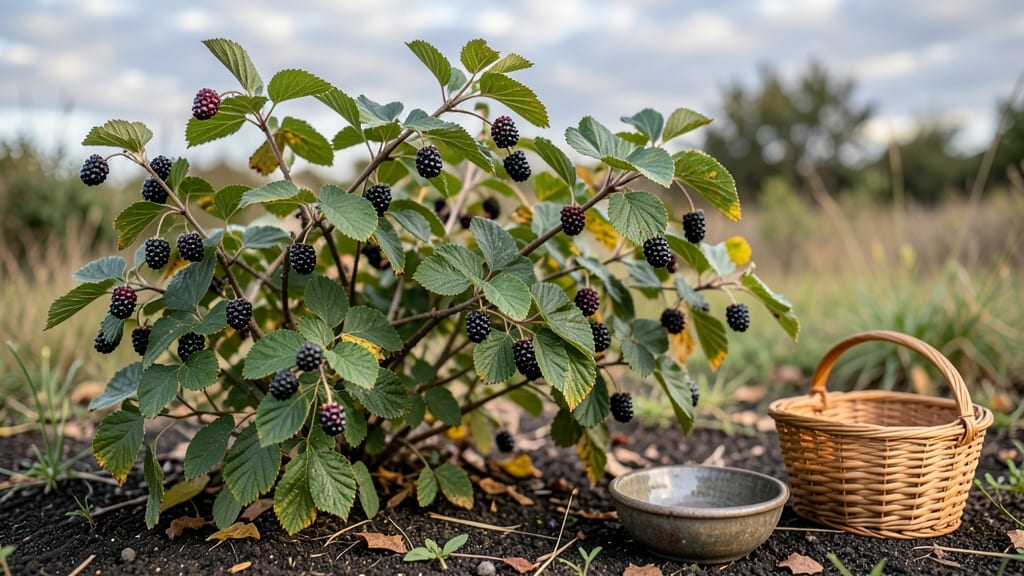
California blackberry season arrives like summer’s sweetest secret—juicy, sun-ripened berries that burst with flavor when you know exactly when to pick. 🌿 The timing varies by zone, but most varieties peak between late June and early September, with coastal areas fruiting slightly later than inland regions.
My first harvest in Zone 8 came in July, and those berries? Worth every thorn-pricked finger.
Your blackberries thrive when you match planting to your zone: start in early spring (February-March) for summer-bearing types or late summer (August-September) for fall-bearing varieties. Prune in late winter to encourage strong canes, and watch for powdery mildew—a common foe in California’s warm, dry summers.
The key is consistent watering without soggy soil, especially as berries swell.
You’ll know they’re ready when they’re deep black, plump, and pull away easily from the stem—no need to wait for them to fall. A single plant can yield 3-5 pounds of berries if cared for right, and the flavor?
Nothing from the store compares. Freeze extras for winter smoothies or make jam while the season lasts.
Coastal gardeners should expect slightly cooler nights, which delay ripening by 1-2 weeks, while inland areas may see earlier harvests. Mulch heavily to retain moisture, and watch for birds—they’ll swoop in faster than you can blink.
With the right timing, you’ll turn your patch into a berry bonanza before the season slips away.
📚 In This Guide
- What you need
- Instructions
- Tips and common mistakes
- Wrapping up and next steps
What you need
- ● Harvesting Tools: Pair of sharp pruning shears or berry pickers (for easy access to high branches).
- ● 1–2 sturdy baskets or mesh bags (to avoid crushing ripe berries).
- ○ Gloves (optional but recommended for thorny varieties like Chehalem or Natchez).
- ● Safety Gear: Closed-toe shoes or hiking boots (for uneven terrain).
- ● Sunscreen (SPF 30+) and a wide-brimmed hat (California sun is no joke!).
- ● Bug spray (especially in Zone 9–10, where pests love blackberry patches).
- ● Post-Harvest Prep: Clean towels or paper towels (to wipe berries before storage).
- ● 1–2 shallow containers (for sorting by ripeness).
- ○ Optional: Food-safe spray bottle (for a light rinse if berries are dusty).
- ● Knowledge of local blackberry varieties (e.g., Marionberry in Northern CA vs. Olallie in Southern CA).
- ● Permission to forage (public lands like Los Padres National Forest require permits).
- ● Awareness of peak harvest zones (e.g., July–August for Zone 7–9, June–September for Zone 10).
- ● 🔥 Fertilizer: Apply a balanced 10-10-10 fertilizer 2–3 weeks before peak season (follow package rates).
- ● 🌡️ Watering: Keep soil consistently moist (1–1.5 inches per week) during fruit development.
- ● ✨ Pest Control: Set up bird netting if wildlife is a concern (squirrels and birds love blackberries!).
How to time your California blackberry harvest by zone
Here’s how to pinpoint the best months for harvesting California blackberries—no guesswork involved.
📅 Step 1: Identify Your California Harvest Zone
California’s diverse climate means blackberries ripen at different times depending on your location. Coastal regions like San Francisco Bay Area typically see peak harvest in late June through August, while inland areas like the Central Valley and San Joaquin Valley experience their prime window from mid-July to early September. Mountainous zones, such as those near Lake Tahoe or the Sierra Nevada foothills, may extend harvests into early October due to cooler temperatures.
Check your exact zone by referencing the USDA Plant Hardiness Map or local agricultural extension resources. If you’re in a transitional area, like Santa Barbara or Los Angeles, expect a staggered harvest—some varieties ripen earlier, while others linger into late summer. I always scout my local farmers' market for early signs of ripe berries to gauge timing.
☀️ Step 2: Monitor Weather and Sun Exposure
Blackberries need full sun (6+ hours daily) and consistent warmth to ripen evenly. In cooler coastal zones, berries may take longer to mature, so start checking plants 2-3 weeks earlier than inland schedules. Watch for consistent daytime temperatures above 75°F—this is your cue that ripening is accelerating.
If your area experiences unseasonal heatwaves, berries might ripen faster and become overripe quickly. I’ve seen this happen in Southern California’s Inland Empire—the berries go from perfect to mealy in a single day. Keep an eye on the forecast and adjust your harvest schedule accordingly.
🍇 Step 3: Check for Ripeness Using the "Squeeze Test"
The most reliable way to tell if blackberries are ready is the gentle squeeze test. Fully ripe berries should yield slightly to pressure but not squish flat. They’ll also detach easily from the plant when gently pulled—if the stem resists, wait another day or two. Color alone isn’t enough; some varieties stay dark even when underripe.
For peak flavor, harvest in the early morning when sugars are highest. Avoid picking after rain, as moisture dilutes sweetness and makes berries prone to mold. I always bring a small basket lined with paper towels to absorb excess moisture during transport.
⏰ Step 4: Harvest Strategically for Continuous Yield
Blackberry plants produce fruit in flushes, meaning new clusters ripen every 7-10 days. To maximize your harvest, pick every other day during peak season, focusing on fully ripe berries first. This encourages the plant to produce more fruit while keeping existing berries from overripening.
Use clean, sharp scissors or pruners to snip stems—never pull berries by hand, as this can damage the plant. If you’re dealing with thorny varieties, wear gloves to avoid scratches. I’ve learned the hard way that skipping this step leads to bruised berries and frustrated customers if you’re selling at markets.
🌿 Step 5: Store and Preserve for Long-Term Enjoyment
Freshly picked blackberries last 3-5 days in the fridge when stored in a single-layer container with a paper towel to absorb moisture. For longer storage, freeze them on a tray first—this prevents clumping. I like to spread them out and freeze for 2 hours before transferring to a bag, which keeps them loose and easy to use later.
If you’re not using them immediately, consider preserving through jams, syrups, or dried fruit. Blackberries freeze exceptionally well, retaining flavor for up to 12 months. Just avoid washing them before freezing—excess moisture leads to ice crystals and mushiness.
Tips & tricks for perfect California blackberry harvest timing
These insider tricks will help you turn your blackberry harvest into a bountiful success without the guesswork.
Zone-Specific Adjustments: The 2-3 week earlier window for cooler coastal zones (like San Francisco) is critical—don't rush it. I've seen coastal growers miss peak ripeness by starting too late. For inland areas, mark your calendar for mid-July as your absolute minimum starting point, even if berries look ready earlier. The 75°F daytime threshold is your real guide: once temperatures consistently hit this mark, ripening accelerates noticeably.
Heatwave Strategy: When unseasonal heat hits (like in Southern California's Inland Empire), set up a morning harvest schedule—berries ripen fastest in these conditions. I've had to pick twice daily during extreme heat to avoid losing 50% of a crop to overripening. If you're not harvesting daily, consider temporary shade cloth to slow ripening during heatwaves.
Ripeness Verification: The "squeeze test" is your best friend, but here's what I look for beyond that: fully ripe berries should have a slightly glossy sheen from natural juices, and when you gently twist a berry, it should separate cleanly from the stem without tearing. I've trained my kids to help with this test—they're more patient than I am when checking hundreds of berries!
Storage Hack: For that 2-hour freeze time before bagging, I use silicone baking mats instead of trays—they're dishwasher-safe and create perfect single-layer spacing. Pro tip: add a paper towel square to each freezer bag before sealing to absorb any condensation that forms during storage. This keeps your berries dry and prevents clumping for up to 12 months.
Pro Tips for California Blackberry Season
- These insider tricks will help you turn your blackberry harvest into a bountiful success without the guesswork.
- Zone-Specific Adjustments: The 2-3 week earlier window for cooler coastal zones (like San Francisco) is critical—don't rush it.
- Heatwave Strategy: When unseasonal heat hits (like in Southern California's Inland Empire), set up a morning harvest schedule—berries ripen fastest in these conditions.
Frequently asked questions
Got questions about California blackberry season?
You’re not alone! Here are answers to the most common queries to help you plan your harvest like a pro.
When is the best time to pick blackberries in California?
California blackberry season typically runs from June to September, but exact timing depends on your zone. Northern regions (like Humboldt or Mendocino) peak in late June to early August, while Southern areas (Riverside, San Diego) stretch into late August or September. Check local orchards for updates—weather can shift ripening dates!
How do I know when blackberries are fully ripe and ready to pick?
Ripe blackberries are deep black or purplish-black, soft to the touch, and easily detach from the bush. If they’re still red or firm, they need more time. Pro tip: Pick in the morning when berries are coolest and juiciest! Avoid overripe berries—they’re mealy and less flavorful.
Can I pick blackberries from wild bushes, or do I need permission?
Many California blackberries grow wild, but always ask permission before foraging on private land. For public areas (like state parks), check local rules—some allow limited picking, while others prohibit it to protect ecosystems. Safety first: Wear gloves (berries can stain!) and avoid pesticides by sticking to organic farms or certified wildcrafted sources.
What’s the best way to store freshly picked blackberries?
Blackberries are delicate—don’t wash them until ready to eat (moisture speeds up spoilage). Store in a single layer on a paper towel-lined container in the fridge for 3–5 days. For longer storage, freeze them on a tray first (prevents clumping) or make jam/juice within 24 hours.
What if my blackberries aren’t ripening or are full of bugs?
Pests (like birds or aphids) or poor pollination can stunt ripening. Try these fixes:
- Shake bushes gently to dislodge pests or attract predators (like ladybugs).
- Hand-pollinate with a soft brush if bees are scarce.
- Prune damaged canes and fertilize lightly with compost tea for nutrients.
Wrapping up and next steps
California blackberry season is your golden ticket to juicy, sun-ripened berries—just time your harvest by zone for the sweetest rewards! 🌱 Whether you’re a backyard grower or a forager, knowing when (and how) to pick ensures a bounty of flavor and nutrition. So grab those gloves, mark your calendar, and get ready to turn those ruby-red clusters into jams, smoothies, or fresh snacks!
Now that you’re armed with the best months, tools, and tips, why not plan your next move? Visit local farms for U-pick adventures, or start your own patch—the berry good life awaits! 🍇✨