
Blooming
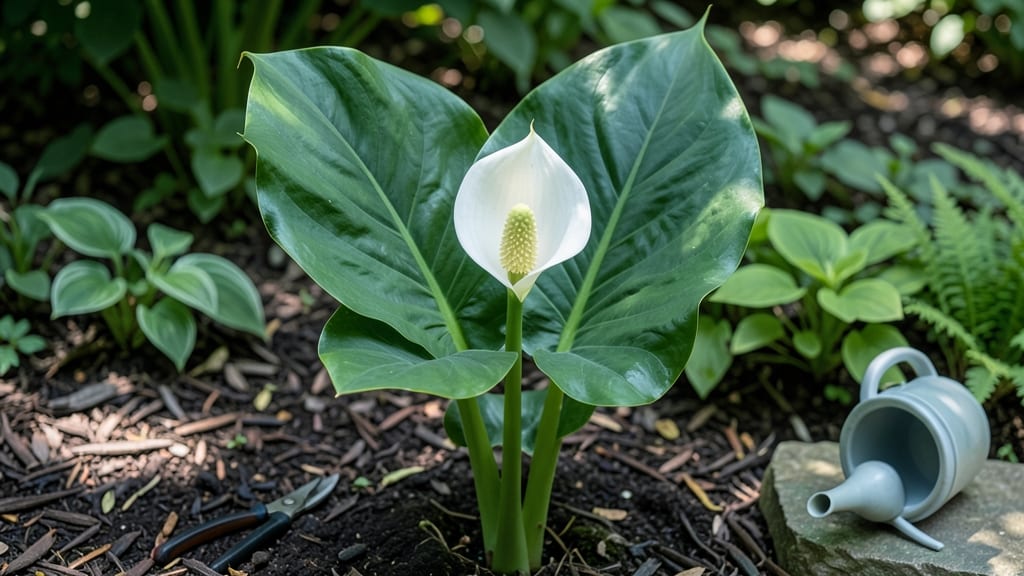
The calla lily’s blooming season begins when soil warms to 65°F—and timing varies wildly from zone 3’s late June to zone 10’s year-round potential. 🌿 I’ve grown them in both my Michigan garden and a friend’s Florida yard, and the difference in bloom windows is shocking.
In cooler zones, expect 6-8 weeks of dramatic white or deep purple blooms, while warmer climates stretch that to nearly year-round with proper care.
Sunlight and soil temperature are the real game-changers—calla lilies need full sun to partial shade and won’t bloom if roots stay cold.
I once had a batch in zone 5 that refused to flower until I moved them to a south-facing bed with black plastic mulch—that single trick advanced blooms by 2 weeks.
Early varieties like ‘Black Star’ start in May, while late bloomers like ‘Pink Fantasy’ peak in August.
With the right timing, you’ll get stunning, fragrant blooms—each one lasting 2-3 weeks—that make any garden feel like a tropical escape. The secret? Consistent moisture and a balanced fertilizer in early spring.
My zone 7 callas now bloom from June through September, and the neighbors keep asking where I bought them.
Adjust care based on your zone: in colder areas, lift tubers after frost; in warm zones, mulch heavily to protect roots. Whether you’re in the South or Midwest, these tips will turn your calla lilies into the showstopper they’re meant to be.
📚 In This Guide
- What you need
- Instructions
- Tips and common mistakes
- Wrapping up and next steps
What you need
- ● Calla Lily Tubers: 3–5 healthy, firm tubers (size depends on desired display scale; larger tubers yield bigger blooms).
- ● Well-draining Potting Mix: 10–15 lbs of high-quality, peat-based mix (or a blend with perlite/vermiculite for aeration).
- ● Containers or Garden Bed: For containers: 12–18" diameter pots with drainage holes (1 per tuber).
- ● For garden beds: Loose, fertile soil with partial shade (6 hours of sunlight/day).
- ● Watering Can or Hose: With a gentle spray nozzle for hydration without damaging tubers.
- ● Fertilizer: Balanced 10-10-10 or slow-release granular fertilizer (1 tbsp per plant at planting time).
- ○ Mulch (Optional but Recommended): 2–3 inches of shredded bark or straw to retain moisture and regulate soil temp.
- ● Garden Gloves: To protect hands while handling tubers or soil.
- ● Trowel or Spade: For planting tubers or amending soil.
- ○ Pruners (Sterilized): For trimming dead foliage post-bloom (optional but helpful).
- ● pH Test Kit: To ensure soil pH is between 6.0–7.0 (callas thrive in slightly acidic to neutral soil).
- ● USDA Zone Guide: Verify your zone (e.g., Zones 8–11 for outdoor planting; Zones 3–7 may need containers or winter protection).
- ● 🌡️ Pre-soak tubers in lukewarm water for 30 mins before planting to encourage faster sprouting.
- ● ✨ Choose containers with a saucer to catch excess water and prevent root rot.
- ● 🎯 Monitor humidity: Mist leaves occasionally in dry climates to mimic their tropical origins.
How to time calla lily blooms for peak seasonal display
Here's how I schedule calla lilies to burst into color exactly when you want them—zone by zone.
📅 Step 1: Identify Your USDA Zone and Planting Window
Calla lilies thrive in USDA Zones 8-11, where they bloom naturally from late spring through summer. In cooler zones (7 or below), treat them as annuals or dig tubers before frost. I always check my zone first—it determines when to plant for summer color.
For Zones 8-9, plant tubers in early spring (March-April) for blooms by June-July. In Zones 10-11, you can plant year-round, but aim for late winter (January-February) to catch summer's peak. The key is giving tubers 10-12 weeks of warm soil before blooming.
☀️ Step 2: Choose the Right Light and Soil Conditions
Callas need partial shade (4-6 hours of morning sun) to prevent leaf scorch. I plant mine where they get bright, indirect light—like under a tree canopy or on an east-facing patio. Too much direct sun turns leaves yellow, and too little shade stunts blooms.
Amend your soil with compost or peat moss to create rich, well-draining conditions. Callas hate soggy roots, so if your soil drains poorly, raise beds or plant in containers with drainage holes. The tubers should sit 2-3 inches deep—any deeper delays blooming.
💧 Step 3: Water and Fertilize for Continuous Blooms
Water callas 1-2 inches per week, keeping soil consistently moist but never waterlogged. I check by sticking my finger 1 inch deep—if it feels dry, it's time to water. Overwatering causes tuber rot, which kills plants before they bloom.
Feed with balanced fertilizer (10-10-10) every 4-6 weeks starting in spring. Stop fertilizing 8 weeks before your first frost to let tubers harden for winter. You'll see more blooms when leaves stay deep green and stems stay sturdy.
✂️ Step 4: Deadhead and Extend the Blooming Season
Snip spent blooms at the base with clean shears to encourage new flowers. I deadhead weekly—this prevents seed formation and redirects energy to more blooms. Never cut into the leaves; always target the stem just below the flower head.
For a longer display, move potted callas to cooler spots in late summer. The temperature drop triggers a second flush of blooms. In-ground plants may rebloom if nights stay mild (60°F or above). Just keep deadheading and watering consistently.
⏰ Step 5: Prepare for Next Season's Blooms
After frost blackens leaves, cut foliage back to 2 inches tall and leave tubers in the ground in Zones 10-11. In cooler zones, dig tubers when soil reaches 50°F, brush off dirt, and store in dry peat moss at 50-60°F until spring.
I mark my calendar to replant tubers 8-10 weeks before desired blooms. This timing ensures they've sprouted and established roots before summer heat arrives. With this schedule, you'll have callas blooming reliably year after year.
Tips & tricks for perfect calla lily timing
Here's what nobody tells you about getting those dramatic blooms exactly when you want them—no guesswork involved.
Zone-Specific Timing: The 10-12 weeks of warm soil before blooming is non-negotiable. For Zones 8-9, I mark my calendar for March-April planting to guarantee June-July color—any earlier and you risk frost damage to tender shoots. In Zones 10-11, late winter planting (January-February) gives you that summer peak without waiting through spring. Pro tip: Use a soil thermometer to confirm soil temps hit 60°F consistently before planting.
Lighting Secret: That 4-6 hours of morning sun is your sweet spot—think "sun dappled like a forest floor." I've learned the hard way that afternoon sun turns leaves crispy, while too little light means you'll be waiting forever for blooms. Test spots by observing how sunlight moves across your garden throughout the day. East-facing patios work perfectly because they catch gentle morning rays without the harsh afternoon heat.
Watering Wisdom: The 1-2 inches per week guideline is perfect, but timing matters just as much. Water in the morning so foliage dries quickly—this prevents fungal issues that can kill your plants before they bloom. I set a reminder on my phone for Tuesday and Friday mornings to keep that consistent moisture without overdoing it. And always check that 1-inch soil depth—if it's dry, water; if it's damp, wait. That simple finger test saves so many headaches.
Frost Preparation: Those 50°F soil temps and 60°F nighttime thresholds are critical for winter survival. I've seen callas survive winters in Zones 10-11 with no protection, but in cooler areas, I always dig tubers when soil hits 50°F and store them in peat moss at 50-60°F. The key is mimicking their natural tropical environment—warm but not hot, and definitely not freezing. A basement with consistent temps works perfectly if you don't have a garage.
Pro Tips for Calla Lily Blooming Season
- Here's what nobody tells you about getting those dramatic blooms exactly when you want them—no guesswork involved.
- Zone-Specific Timing: The 10-12 weeks of warm soil before blooming is non-negotiable.
- Lighting Secret: That 4-6 hours of morning sun is your sweet spot—think "sun dappled like a forest floor."
Frequently asked questions
When do calla lilies bloom in my USDA zone?
Calla lilies typically bloom from late spring to early fall, but timing depends on your zone:
- Zones 8-10: Bloom from April to October—often year-round with proper care.
- Zones 5-7: Bloom from June to September (plant tubers after frost).
- Zones 1-4: Grow as annuals; bloom June–August in containers.
How long do calla lily blooms last?
Individual blooms last 7–10 days, but new flowers emerge continuously during peak season. For longer displays, deadhead spent blooms (trim stems at the base) and keep soil moist. In ideal conditions (warmth + humidity), your plant may produce non-stop blooms for months!
Why aren’t my calla lilies blooming?
Common culprits:
- Insufficient light: Callas need bright, indirect light (6+ hours/day). Move to a sunnier spot.
- Overwatering: Soggy soil = no blooms. Let soil dry slightly between waterings.
- Nutrient deficiency: Feed with balanced fertilizer (20-20-20) every 4–6 weeks.
- Dormancy: Tubers need a cool, dry rest (6–8 weeks in winter) to rebloom.
Can I force calla lilies to bloom earlier?
Yes! To jumpstart blooms:
- Move tubers to a warm (70–75°F), bright spot 6–8 weeks before your zone’s last frost.
- Use a grow light if natural light is limited.
- Avoid fertilizing until shoots emerge (over-feeding delays blooms).
What’s a good alternative if calla lilies are hard to grow?
Try these low-maintenance, long-blooming alternatives:
- Anthuriums: Glossy leaves + bold blooms; thrive in low light.
- Bird of Paradise: Dramatic flowers; drought-tolerant once established.
- Alocasia: Fuzzy, tropical leaves; easy in containers.
- Zantedeschia aethiopica (white calla):** Hardier than hybrids; blooms earlier in spring.
Wrapping up and next steps
Now that you know the perfect months for calla lilies to bloom in your USDA zone—along with the care tips to keep them thriving—you’re ready to transform your garden into a fragrant, elegant paradise! 🌸 Whether you’re a seasoned gardener or a beginner, these stunning blooms will reward your efforts with their striking beauty and intoxicating scent.
Ready to take the next step? Plan your planting schedule based on your zone, and don’t forget to explore complementary plants to create a cohesive, show-stopping display. Happy gardening!