
Blooming
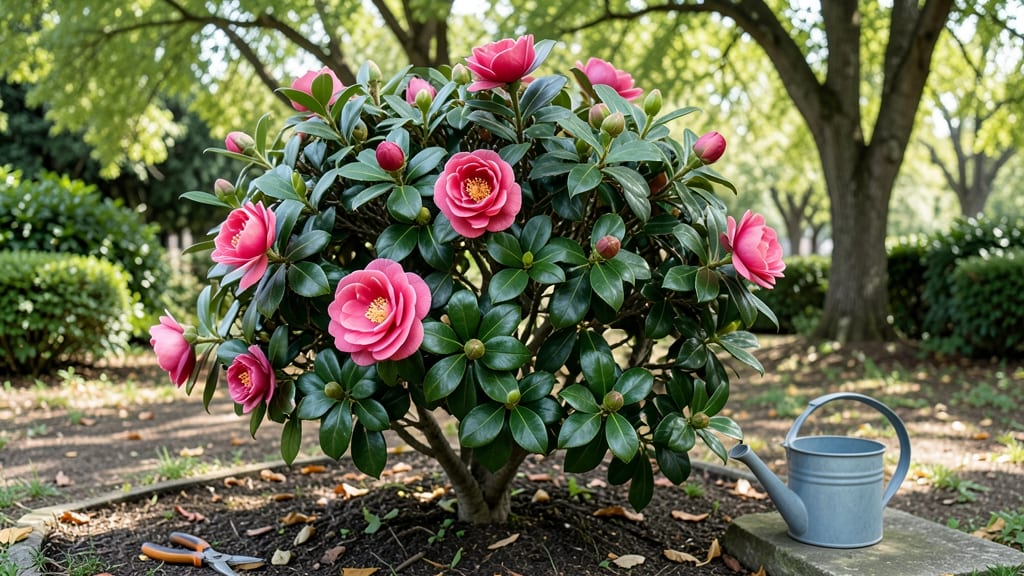
Camellias bloom in season that stretches from late fall through spring, with varieties like Camellia japonica lighting up winter gardens and Camellia sasanqua offering early bursts of color.
If you’ve ever dreamed of a garden bursting with velvety camellia blooms, timing is everything—especially since their flowering season varies dramatically across USDA zones.
In Zones 7-9, where most gardeners grow them, you’ll see fall-blooming sasanquas from October through December, followed by japonicas from January to March. But in cooler Zone 6, those winter blooms may arrive later—or not at all—if frost hits early.
Here’s how to match your camellia’s natural cycle to your climate, plus care tweaks to coax extra blooms and keep them coming year after year.
Camellia blooming season by USDA Zone: exact month-by-month timeline
If you’ve planted camellias in your garden, knowing their blooming season is key to enjoying those lush, velvety flowers. Unlike many plants, camellias offer two distinct bloom cycles: fall and early spring. But the exact timing depends heavily on your USDA zone and regional microclimates.
Let’s break down when to expect blooms in Zones 7-10, including regional twists for the South, West Coast, and Gulf States.
The Camellia japonica and Camellia sasanqua varieties dominate gardens, but their bloom windows differ dramatically. Sasanqua camellias typically bloom in fall and early winter, while japonica camellias shine in late winter to early spring. Your zone—and even your local climate—can shift these timelines by 2-4 weeks.
For example, a Zone 7 garden in the Gulf States might see Yuletide camellias blooming as early as October, while a Zone 9 West Coast garden could enjoy November to January displays.
Here’s a month-by-month breakdown tailored to your region, so you can plan your garden’s peak bloom periods and avoid missing a single petal.
| USDA Zone | Camellia Type | Early Bloom Month | Peak Bloom Month | Late Bloom Month | Regional Notes |
|---|---|---|---|---|---|
| Zone 7 (South) | Camellia sasanqua | October | November-December | January | Warmer microclimates (e.g., Atlanta) may see blooms extend into February. |
| Zone 7 (West Coast) | Camellia sasanqua | September | October-November | December | Cooler coastal zones (e.g., San Francisco) may delay blooms until October. |
| Zone 8 (South) | Camellia sasanqua | September | October-November | December | Gulf States (e.g., New Orleans) often see earlier blooms due to milder winters. |
| Zone 8 (West Coast) | Camellia japonica | January | February-March | April | Cooler inland areas (e.g., Los Angeles) may see later japonica blooms. |
| Zone 9 (South) | Camellia sasanqua | August-September | September-October | November | Tropical microclimates (e.g., Miami) can extend blooms into December. |
| Zone 10 (West Coast) | Camellia japonica | December | January-February | March | Mild coastal climates (e.g., San Diego) may see year-round blooms in some varieties. |
In Zone 7, where winters are colder, sasanqua camellias often bloom as early as October, with peak displays in November and December. This is perfect for adding holiday cheer to
How to extend your camellia blooming season with pruning and care
Camellias are famous for their long-lasting blooms, but with the right pruning techniques and seasonal care, you can push their flowering season even further. The key lies in understanding when and how to prune, combined with light adjustments and fertilizing strategies tailored to your climate.
Whether you're growing Camellia japonica or Camellia sasanqua, these methods will help you enjoy those velvety petals for months.
Most gardeners focus on spring bloomers, but fall/winter varieties like Yuletide can thrive with the right approach. The secret? Strategic pruning after blooming and microclimate adjustments to protect flowers from harsh afternoon sun.
Let’s break down the step-by-step process to maximize your camellia’s bloom time while keeping the plant healthy and vibrant.
🌸 5 Pro Tips to Extend Camellia Blooms
- 1
- 2
- 3
- 4
- 5
For fall-blooming varieties, prune in late winter or early spring (February-March) to remove dead or crossing branches while preserving next year’s buds. In contrast, spring bloomers should be pruned right after flowering (April-May) to shape the plant and promote new growth for the following season.
Light plays a critical role in extending blooms. Camellias thrive in partial shade (3-6 hours of morning sun with afternoon shade). In hotter climates (e.g., Southern California or Florida), afternoon shade is non-negotiable—it prevents bud drop and leaf scorch.
If your camellia is struggling, consider relocating it to a spot with filtered light or adding a shade sail.
Don’t forget to monitor soil acidity—camellias hate alkaline soil. Test your soil every 2-3 years and amend with sulfur or peat moss if the pH rises above 6.0. A healthy root system in acidic soil (pH 5.0-6.0) is the foundation for prolonged blooming and vibrant flowers.
With these targeted techniques, your camellia can bloom for 3-4 months instead of just 6-8 weeks. The key is consistency—prune at the right time, fertilize strategically, and protect from extreme conditions.
Soon, your garden will be a velvety sea of camellia blooms from fall through spring! 🌿