
Container Gardens
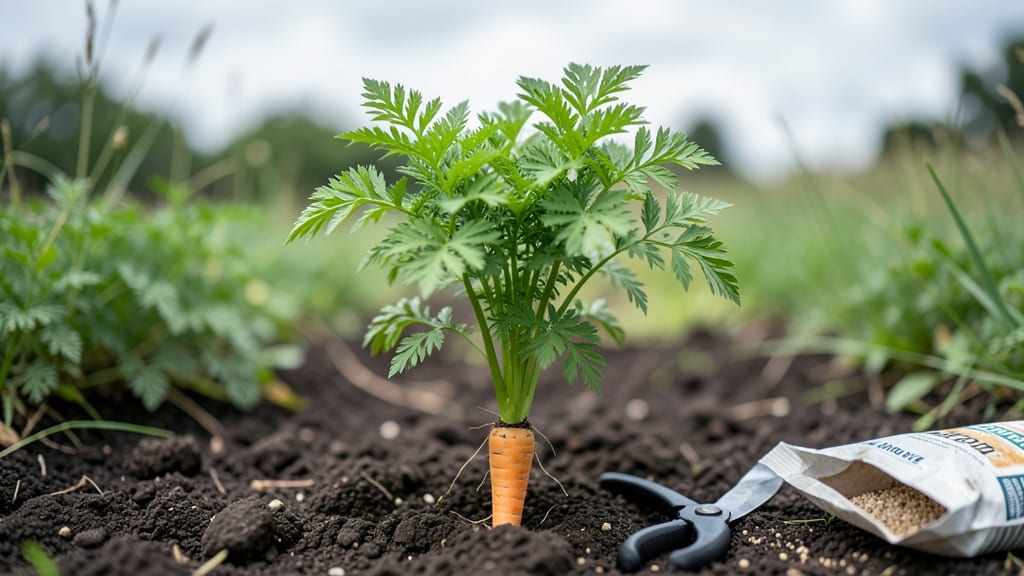
The carrots growing season is your secret weapon—plant at the right time, and you’ll trade bitter, woody roots for sweet, crisp treasures worth celebrating. 🌱 In most zones, spring and fall are your sweet spots—when soil stays cool enough to prevent forking and bitter flavors.
Cool soil is the secret weapon: aim for 50-70°F at planting depth. In warm climates (zones 8-10), sow in late summer for fall harvests or early spring to beat the heat.
Northern gardeners (zones 3-6) get two chances: March-April and August-September. Tropical zones? Plant during the cooler dry season—just don’t let soil dry out completely.
You’ll know you’ve timed it right when those first bright green shoots appear in 10-14 days. By midseason, you’ll be pulling 1-inch diameter roots that snap cleanly—proof you avoided the classic mistakes of planting too late or in overheated soil. The flavor difference is night-and-day compared to store-bought.
Extend the season in cool climates with row covers or cold frames—they let you plant 4-6 weeks earlier in spring or 2-3 weeks later in fall. Just watch for forking (uneven soil, rocks) and keep soil moist but not soggy.
The right timing turns carrots from a gamble into a foolproof harvest every season.
📚 In This Guide
- What you need
- Instructions
- Tips and common mistakes
- Wrapping up and next steps
What you need
- ● Carrot Seeds: Choose open-pollinated varieties like ‘Nantes,’ ‘Danvers,’ or ‘Paris Market’ (2–3 grams per container or 1–2 lbs for larger gardens). 💡 Pro tip: Smaller seeds (like Paris Market) are easier to handle in containers!
- ● Growing Containers: Minimum depth: 12 inches (deeper = longer carrots!).
- ● Width: 12+ inches (or wider for multiple rows).
- ● Material: Fabric grow bags, wooden crates, or plastic pots with drainage holes.
- ● High-Quality Soil: Loose, well-draining mix (avoid clay!). Options: Compost blend (60% compost, 30% peat moss/coir, 10% perlite/sand).
- ● Pre-mixed veggie soil (e.g., FoxFarm or Miracle-Gro).
- ● Drainage Layer: 1–2 inches of gravel or perlite at the container’s bottom.
- ● Watering Can or Spray Bottle: Fine-mist nozzle for gentle watering.
- ● Fertilizer: Balanced organic (e.g., 5-5-5 or fish emulsion) or slow-release granules (follow package rates).
- ● Row Covers or Mesh: Protects seedlings from pests (e.g., floating row cover or fine netting).
- ● Plant Labels: Mark varieties and planting dates (use reusable markers or sticks).
- ● Mulch: Straw or shredded leaves to retain moisture and suppress weeds.
- ● pH Test Kit: Ideal soil pH: 6.0–7.0 (adjust with lime or sulfur if needed).
- ● Seedling Heat Mat: For early spring/fall starts in cooler zones (e.g., Zone 3–5).
Zone-specific planting schedule for carrots
Timing is everything when growing carrots—get it wrong, and you'll end up with tough, forked roots. Here's how to align your planting with your climate zone for perfect harvests.
🌱 Step 1: Determine Your Planting Window by Zone
Carrots thrive in cool weather (50-85°F) and bolt when temperatures climb above 80°F. Use your USDA hardiness zone to calculate your ideal planting dates. In zones 3-5, start seeds indoors 6-8 weeks before your last frost date (typically March-April), then transplant outdoors when soil reaches 50°F. In zones 6-8, direct-sow outdoors 2-4 weeks before your last frost (usually February-March), then succession-sow every 2-3 weeks until early summer to avoid heat stress.
For zones 9-11, focus on fall/winter planting—sow seeds August-September for harvests before summer heat arrives. I always check my local frost-free date and count backward: carrots need 70-80 days to mature, so plan accordingly. If you're in a warm zone, opt for shorter varieties like 'Paris Market' (50 days) to beat the heat.
☀️ Step 2: Prepare Soil and Plant at the Right Depth
Carrots demand loose, stone-free soil—they'll fork or split if roots hit obstacles. Work in 2-3 inches of compost and a handful of fine sand per square foot to improve drainage. Test soil depth: stick a 6-inch ruler vertically into the ground—carrots need at least 12 inches of loose soil to grow straight. If your soil is heavy clay, consider growing in deep containers (12+ inches) instead.
Plant seeds ¼ inch deep, spacing them 1-2 inches apart in rows 12-16 inches apart. I use a seed tape for precision—it saves time and ensures even spacing. Water gently after planting to settle seeds into the soil. Avoid overwatering now; you'll see first sprouts in 7-14 days—wait until then to thin seedlings.
💧 Step 3: Maintain Consistent Moisture and Thin Seedlings
Carrots need 1 inch of water per week, delivered evenly to prevent cracking. Use a soaker hose or drip irrigation to keep soil moist but not soggy. You'll know moisture is right when the top inch of soil feels damp but not wet. Mulch with 1 inch of straw after thinning to retain moisture and suppress weeds—this is non-negotiable in hot climates.
When seedlings reach 2 inches tall, thin to 3 inches apart to prevent crowding. Use scissors to snip unwanted seedlings at soil level—pulling risks disturbing roots. Watch for first true leaves (the second set after the initial seed leaves)—this is your cue to thin again if needed. I always harvest the thinnings for baby carrots; nothing goes to waste.
⏰ Step 4: Time Harvests for Peak Sweetness
Carrots are ready to harvest when shoulders are ½-inch above soil and roots feel firm when gently tugged. For spring-planted crops, expect harvests 70-80 days after sowing. In fall, harvest before frost hits—carrots left in cold soil turn woody. Pull roots carefully by hand or use a fork for stubborn ones; shake off excess soil and store in a cool, humid place (50-60°F) for up to 3 weeks. For longer storage, cure roots in the sun for 1 hour before trimming greens and storing in sand.
Here's the thing—carrots planted in late summer for fall harvests often taste sweeter because they develop natural sugars under cooler conditions. If you miss the window, try short-day varieties like 'Danvers' or 'Nantes'—they handle heat better than long-day types. And if your carrots split? You overwatered. If they're bitter? They bolted from heat stress. Adjust your timing next season.
Tips & tricks for perfect carrot planting timing
Mastering the timing for carrot cultivation transforms your garden from hit-or-miss to consistently sweet harvests. These insights will help you navigate the nuances that separate perfect roots from disappointing ones.
Zone-Specific Heat Management: Carrots bolt when temperatures exceed 80°F, so in zones 9-11, focus on fall planting (August-September) to avoid summer heat. I've found that even in cooler zones 3-5, afternoon temperatures can climb above 80°F—plant in locations with afternoon shade to maintain ideal 50-85°F growing conditions. This simple adjustment prevents the bitterness that comes from heat stress.
Soil Depth Verification: That 12-inch soil depth requirement isn't just a suggestion—it's non-negotiable for straight roots. I use a 6-inch ruler to test depth before planting, but I've also discovered that a simple wooden dowel works just as well. For container growing, choose pots that are at least 12 inches deep—shallow containers will produce stunted, forked carrots no matter how carefully you plant.
Succession Planting Strategy: The 2-3 week intervals for succession planting in zones 6-8 create a continuous harvest window. I've learned to mark planting dates on my calendar with sticky notes to avoid missing the rhythm. For zones 3-5, extend this to 3-4 week intervals in early spring when soil temperatures are still chilly—this prevents seedlings from becoming leggy as they wait for warmer conditions.
Watering Precision: The 1 inch per week watering guideline is perfect, but timing matters just as much. Water in the early morning to prevent fungal diseases from evening moisture. I've noticed that mulching with 1 inch of straw after thinning reduces watering needs by 20%**, keeping the soil consistently moist without the risk of overwatering that causes splitting.
Pro Tips for Carrots Growing Season
- Mastering the timing for carrot cultivation transforms your garden from hit-or-miss to consistently sweet harvests.
- Zone-Specific Heat Management: Carrots bolt when temperatures exceed 80°F, so in zones 9-11, focus on fall planting (August-September) to avoid summer heat.
- Soil Depth Verification: That 12-inch soil depth requirement isn't just a suggestion—it's non-negotiable for straight roots.
Frequently asked questions
about growing carrots during their ideal season—because every gardener deserves sweet, trouble-free roots!When is the best time to plant carrots in my zone?
Carrots thrive in cool weather, so timing depends on your USDA zone:
- Zones 3-5: Start seeds indoors 6-8 weeks before last frost (March-April) or direct-sow outdoors in early spring (April) or late summer (August) for fall harvest.
- Zones 6-8: Plant in early spring (Feb-March) or fall (Sept-Oct) to avoid summer heat.
- Zones 9-10: Sow in winter (Dec-Jan) or late summer (Aug-Sept) for cooler conditions.
How long does it take for carrots to grow after planting?
Carrots take 60-80 days to mature, depending on the variety:
- Baby carrots: Ready in 30-50 days (great for quick harvests!).
- Standard varieties: 70-80 days (e.g., 'Danvers' or 'Nantes').
- Slow-growing heirlooms: Up to 90 days (e.g., 'Purple Haze').
Can I grow carrots in hot summer months?
Carrots struggle in heat (above 80°F/27°C), leading to:
- Bitter flavor.
- Deformed or woody roots.
- Poor germination.
- Use shade cloth (30-50%) in peak sun.
- Plant in late summer for fall harvest.
- Try heat-tolerant varieties like 'Magic Tender' or 'Solar Fire'.
Why aren’t my carrot seeds germinating?
Common culprits and fixes:
Issue
Solution
Seeds too deep
Plant ¼ inch deep—carrots need light to sprout!
Cold soil
Wait until soil is at least 50°F (10°C) or use a seedling heat mat.
Dry soil
Keep soil consistently moist (not soggy) until sprouts appear.
Old seeds
Replace seeds if older than 2 years—viability drops.
Can I grow carrots year-round in containers?
Yes! Containers let you extend the season with these tweaks:
- Winter: Use black plastic mulch or a cold frame to protect roots.
- Summer: Move pots to partial shade and water deeply daily.
- Soil depth: Choose containers at least 12 inches deep (deeper for long varieties).
- Succession plant: Sow new seeds every 2-3 weeks for continuous harvests.
Wrapping up and next steps
Growing your own carrots is a rewarding journey that brings crisp, sweet rewards straight from your garden—or even a cozy container! Whether you're in a warm Zone 10 or a cooler Zone 3, timing your planting just right ensures a bountiful harvest.
With the right soil, patience, and a little care, you’ll enjoy homegrown carrots that outshine store-bought any day. 🥕✨
Ready to dive in? Start by marking your calendar with your zone’s ideal planting months, then gather your supplies and get those seeds in the ground. Happy gardening—your future meals (and taste buds) will thank you!