
Aphids
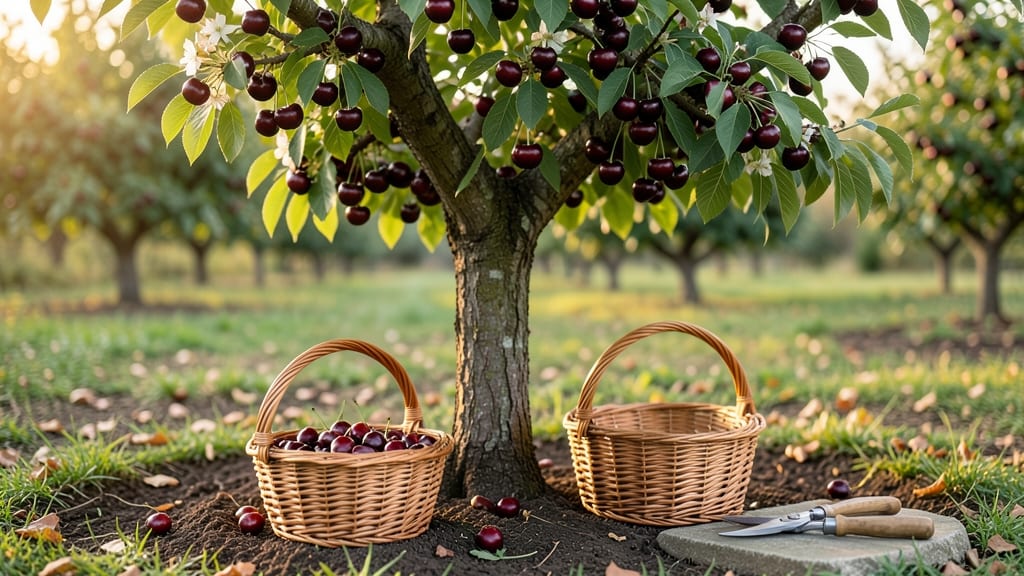
The cherry fruiting season determines whether you’ll enjoy sweet, juicy 🍒 harvests or end up with empty branches—and getting it right depends on your hardiness zone.
Timing your cherry harvest perfectly can mean the difference between juicy, sweet fruit and bitter disappointment. Whether you’re growing tart or sweet varieties, knowing the exact months for peak ripeness in your area is the key to success.
In Zone 6a, where many gardeners plant cherries, fruiting typically kicks off in late May or early June, with sweet cherries ripening a bit later than their tart cousins. But climate, pruning, and even last year’s care can shift those windows by weeks.
Below, I’ll break down the exact months for your zone, how to extend your harvest season, and the three common mistakes that cut fruiting short—so you can plan for a bountiful, trouble-free cherry season.
Cherry fruiting season by USDA plant hardiness zones: exact months for sweet and sour varieties
Timing your cherry harvest perfectly can mean the difference between juicy, sweet fruit and bitter disappointment. The fruiting season for cherries varies dramatically by USDA hardiness zone, cherry type, and even regional microclimates.
Sweet cherries typically ripen in June-July, while sour cherries often appear earlier (May-June). Understanding these windows helps you plan for harvesting, pest control, and post-harvest care.
Your hardiness zone dictates when cherries bloom and fruit. For example, Zone 4 gardeners might see sour cherries as early as late May, while Zone 9 growers could enjoy late-season sweet cherries into August.
Even within zones, early, mid, and late-season varieties shift fruiting dates by weeks. Let’s break down the exact months for both sweet and sour cherries across zones 4-9.
| USDA Zone | Sweet Cherries (June-July) | Sour Cherries (May-June) | Notes |
|---|---|---|---|
| Zone 4 | Late June - Early July | Late May - Mid June | Early varieties like 'Stella' ripen first; frost risk persists. |
| Zone 5 | Mid June - Late July | Early June - Early July | Mid-season 'Bing' thrives here; prune for airflow. |
| Zone 6 | Early June - Mid July | Mid May - Late June | 'Lapins' and 'Montmorency' excel; watch for bird damage. |
| Zone 7 | Late May - Early August | Late May - Early July | Late varieties like 'Rainier' extend season; mulch for moisture. |
| Zone 8 | June - Late July | May - Early June | Heat-sensitive; drip irrigation helps prevent cracking. |
| Zone 9 | Late June - August | Late May - Mid July | Dwarf varieties like 'Black Republican' work well; shade cloth may help. |
In Zone 4, where winters are harsh, sour cherries like 'Montmorency' often ripen first in late May, while sweet cherries like 'Stella' follow in late June. The short growing season demands early blooming varieties to avoid late frosts.
I’ve seen Zone 4 gardeners use row covers to protect blossoms if frost threatens after April 15.
Moving to Zone 5, the fruiting window expands. Sweet cherries like 'Bing' ripen from mid June to late July, while sour cherries appear in early June. This zone benefits from mid-season varieties, which balance early and late blooms.
Pruning in late winter (before buds swell) opens the canopy for better airflow and sunlight penetration, critical for fruit development.
Gardeners in Zone 6 enjoy the longest fruiting window, with sour cherries ripening from mid May to late June and sweet cherries stretching into mid July.
Varieties like 'Lapins' and 'Montmorency' thrive here, but bird damage can be a challenge. I recommend installing netting once fruit reaches pea size to protect your harvest.
For
How to extend your cherry fruiting season: pruning, variety selection, and climate hacks
Want to enjoy cherries for weeks longer than your neighbors? With the right techniques, you can push your fruit-bearing season earlier or later—sometimes by 3-4 weeks—without sacrificing quality.
The secret lies in pruning strategies, smart variety selection, and a few clever climate hacks to protect blossoms from frost. Let’s dive into how to make your cherry tree work harder for you.
First, pruning at the right time is your best tool for adjusting bloom timing. If you want earlier fruit, prune in late winter to remove old wood that would otherwise flower first.
For delayed blooms, prune in early spring to encourage new growth that blooms later. This simple shift can move your harvest window by 2-3 weeks in either direction.
For frost-prone areas, row covers are a game-changer. Lightweight frost blankets (like Agribon) can raise temperatures by 5-10°F and protect blossoms until danger passes. Install them at dusk the night before a forecasted frost and remove them by 10 AM to avoid overheating.
Pair this with windbreaks to reduce cold air pooling around your tree.
Don’t overlook the power of variety selection. Some cherries, like ‘Lapins’ or ‘Montmorency’, are bred for early blooming and can fruit 2-3 weeks ahead of standard varieties. Conversely, ‘Black Republican’ is a late-season variety that holds fruit well into August.
Check your USDA zone and local nursery recommendations to pick the best fit for your climate.
Finally, soil temperature plays a hidden role in fruiting timing. Warmer soils in spring can trigger earlier blooms, while cooler soils delay them. If your area has unpredictable spring temps, consider mulching with straw in fall to insulate roots and encourage steady growth.
This small tweak can help synchronize your tree’s cycle with your desired harvest window.
With these 5 simple strategies, you’ll transform your cherry tree into a year-round fruiting powerhouse. Start with one method this season, then layer in others as you gain confidence.
Soon, you’ll be the envy of the neighborhood with cherries on the vine for weeks longer than anyone else! 🍒✂️🌡️