
Blooming
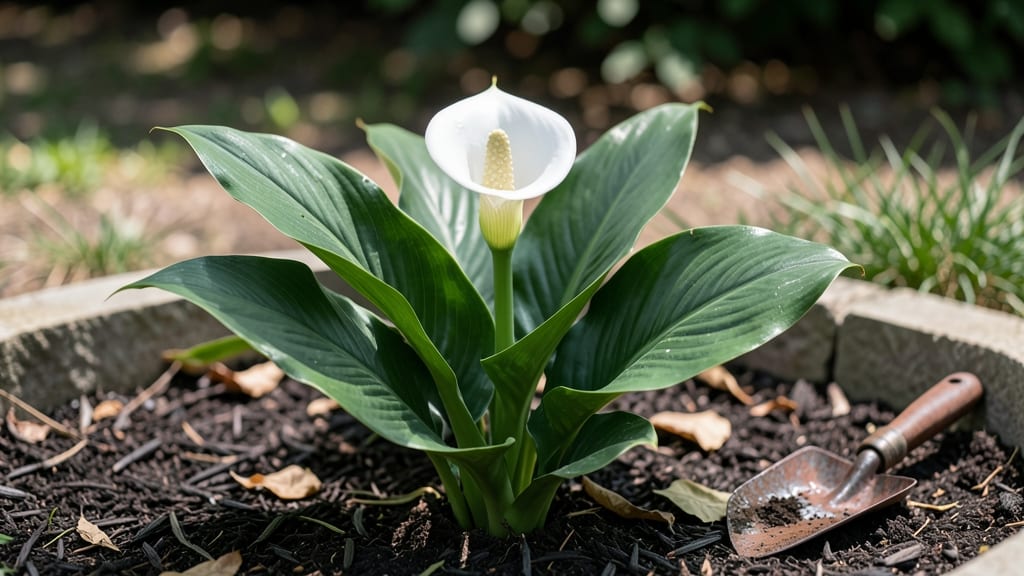
Calla lily season varies by climate, with temperate zones seeing blooms from May through July, while tropical areas may flower year-round or during warmer months like March to September. Cooler regions often have shorter bloom periods concentrated in early summer.
Calla lilies thrive when temperatures rise, so their bloom windows shift dramatically between regions.
In USDA Zones 3-7, where winters are colder, you'll typically see flowers from late May to early July, with some varieties reblooming in late summer if given proper care. 🌸 Meanwhile, in warmer Zones 8-11, the plants often bloom continuously or in staggered waves from spring through fall, responding to consistent warmth rather than seasonal cues.
This adaptability makes them perfect for both gardeners in chilly climates and those in frost-free zones.
What's fascinating is how daylight hours also play a role—longer days in summer trigger blooming in temperate zones, while tropical varieties often ignore daylight signals and focus on temperature stability.
This explains why some gardeners in Zone 7 might see a single flush of blooms in June, while those in Zone 10 enjoy near-constant color from March onward.
💡 In This Article
- Calla Lily Bloom Timing by U.S. Hardiness Zones
- Extending Calla Lily Season with Gardening Tips
Calla lily bloom timing by u.s. hardiness Zones
The bloom timing of calla lilies is primarily governed by temperature thresholds and photoperiod (daylight hours), with significant variations across USDA hardiness zones.
In Zones 3-6, where winters drop below 20°F, calla lilies often enter dormancy and bloom between late May and early July—a window triggered by soil temperatures reaching 60°F and consistent daytime highs above 70°F.
This explains why gardeners in states like Minnesota or Wisconsin see a concentrated burst of blooms during this period, as the plants need to capitalize on the short warm season.
Contrast this with Zones 8-11, where frost is rare or nonexistent. Here, calla lilies may bloom year-round or in staggered waves from March to November, responding to temperature stability rather than seasonal cues.
For example, in Florida or Southern California, you might see early blooms as soon as March, with new flowers appearing every 4-6 weeks if conditions remain warm.
The key difference is that tropical varieties often ignore daylight signals and focus solely on maintaining consistent soil temperatures above 65°F.
Daylight hours also play a critical role in temperate zones. Calla lilies are short-day plants, meaning they bloom when daylight exposure drops below 12-14 hours per day.
This is why you’ll often see a second, smaller flush of blooms in late summer or early fall—the plants respond to the gradual shortening of daylight after the summer solstice.
In Zone 7, for instance, this second bloom might appear in September, while gardeners in Zone 4 may only get one flush before frost sets in.
Regional microclimates add another layer of complexity. Coastal areas in Zone 9 might experience cooler summers due to ocean breezes, delaying blooms until June or July, while inland desert regions in the same zone could see flowers as early as April.
Humidity levels also matter—high humidity in Zones 7-8 can accelerate blooming, while drier climates may slow it down. This is why a calla lily planted in Georgia might bloom 2-3 weeks earlier than one in Arizona, despite similar temperature ranges.
For gardeners in transitional zones like Zone 7b, where winters are mild but summers can be hot, calla lilies often exhibit a hybrid pattern. They may produce a modest bloom in May, then a more robust display in July-August before tapering off.
This staggered approach is a survival strategy—ensuring some blooms occur even if environmental conditions fluctuate. Understanding these patterns helps you choose the right variety for your climate, whether you're growing Zantedeschia aethiopica (the classic white calla) or Zantedeschia rehmannii (the vibrant orange-red bloomer).
One often-overlooked factor is soil temperature. Calla lilies won’t bloom until the ground warms to 60-65°F, even if air temperatures are higher. This is why spring-planted tubers in Zone 5 might not flower until June or July, even if the air feels warm earlier.
Using a soil thermometer can help you predict bloom timing more accurately than checking air temperatures alone.
Finally, remember that calla lilies are not frost-tolerant—even established plants in Zone 7 may die back to the ground in winter. This dormancy period is crucial for their annual bloom cycle, as it resets their biological clock.
In colder zones, gardeners often dig up tubers in fall and replant them in spring to extend their growing season and ensure timely blooms.