
Vegetables
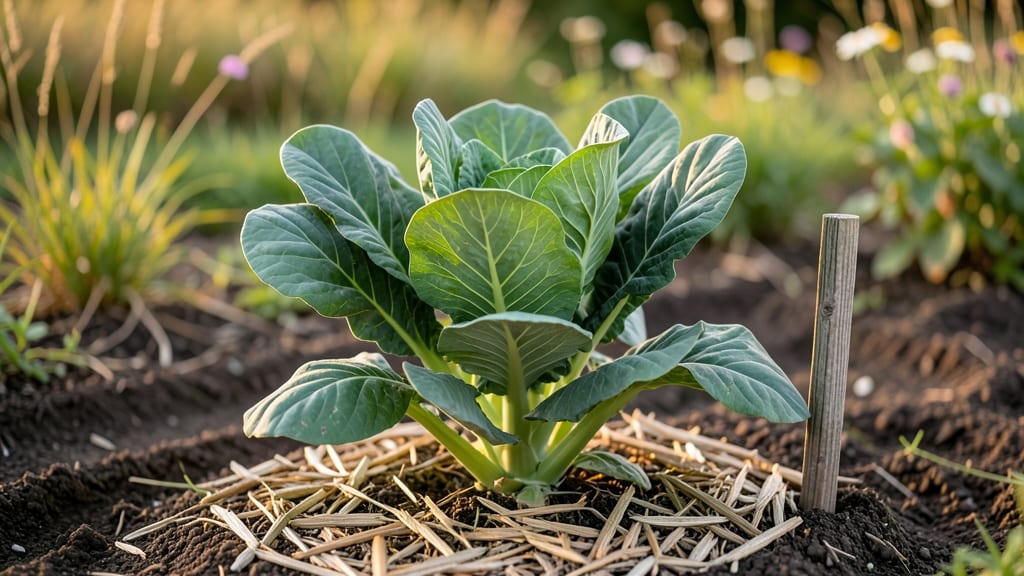
Planting cool-season vegetables means fresh harvests when most gardens go dormant. 🌱 I learned the hard way that timing is everything—too early, and frost zaps tender seedlings; too late, and you miss the sweet spot before winter sets in.
The secret lies in matching varieties to your first frost date and understanding which crops thrive in cold soil while others need protection.
You’ll need well-draining soil enriched with compost, a sunny spot (at least 6 hours of light daily), and row covers or cold frames for sensitive crops like lettuce and spinach.
My favorite varieties—broccoli, kale, carrots, and radishes—handle frost better than tomatoes or peppers, which bolt or rot in chill. Start seeds indoors 4-6 weeks before last frost, then transplant when soil warms to 40-50°F.
By late fall, you’ll be harvesting crisp greens, sweet radishes, and hearty roots that store well in the fridge. The key is succession planting: sow every 2-3 weeks until 6 weeks before first frost to keep a steady supply.
Even in Zone 5, I’ve extended harvests into December with row covers—proof that winter gardens aren’t just possible, they’re delicious and rewarding.
Regional tweaks matter: Southern gardeners can grow cool crops year-round, while Northerners focus on short-season varieties and hoop houses. Avoid overwatering (soil stays cold and soggy) and watch for pests like flea beetles, which love young seedlings.
With the right setup, your winter garden will outperform spring plantings every time.
📚 In This Guide
- What you need
- Instructions
- Tips and common mistakes
- Wrapping up and next steps
What you need
- ● Seeds or seedlings: Choose cool-season varieties like kale, spinach, broccoli, carrots, peas, lettuce, or radishes. Start with 2–4 lbs of seeds (or 12–24 seedlings) for a small garden.
- ● Well-draining soil: 6–12 bags (40–50 lbs each) of organic potting mix or garden soil amended with 2–3 lbs of compost per 10 sq ft.
- ● Containers or garden beds: 5–10-gallon pots (for container gardening, 1–2 per plant)
- ● Raised beds (4’x8’) or in-ground plots (minimum 10 sq ft for a small harvest)
- ● Mulch: 2–3 cubic feet of straw or shredded leaves to insulate roots from frost.
- ● Garden tools: Trowel or hand fork
- ● Pruners (for harvesting)
- ● Garden gloves (1–2 pairs)
- ● Watering supplies: Watering can (1–2 gallons) or hose with a gentle spray nozzle
- ○ Drip irrigation kit (optional, for efficiency)
- ● Row covers or frost cloth: 1–2 rolls (5’x10’ each) to protect tender seedlings from light frosts.
- ○ Cold frames or mini greenhouses: (Optional, for extending the season in harsh climates)
- ● Sunlight: 4–6 hours of direct sun daily (partial shade is fine for leafy greens).
- ● Temperature range: Ideal planting temps: 40–85°F (check seed packets for specifics).
- ● Water source: Consistent access to water (cool-season crops need 1–1.5 inches per week).
- ● Patience: Some crops (like broccoli) take 60–90 days to mature—plan ahead!
Step-by-step guide to planting cool season vegetables
Here’s how to grow crisp, flavorful vegetables that thrive in cooler weather—no greenhouses required.
🌱 Step 1: Choose the Right Varieties for Your Climate
Cool season vegetables handle temperatures between 32°F and 75°F, but some tolerate frost better than others. Leafy greens like spinach and kale, along with root crops such as carrots and radishes, are the most resilient. Broccoli, cabbage, and Brussels sprouts also thrive in cooler conditions but need slightly more warmth to mature.
Check your USDA hardiness zone to determine the best planting window. In colder zones, start seeds indoors 6-8 weeks before the last frost date. In milder climates, direct sow outdoors as soon as soil temperatures drop below 80°F. You’ll know it’s time when morning frost becomes a regular occurrence—your plants will reward you with sweeter flavors and sturdier growth.
🪴 Step 2: Prepare the Soil for Optimal Growth
Cool season vegetables prefer well-draining, nutrient-rich soil with a pH between 6.0 and 7.0. Before planting, mix in 2-3 inches of compost into the top 6 inches of soil to improve fertility and structure. Avoid fresh manure, which can burn tender seedlings. If your soil is heavy clay or sandy, amend it with pearlite or coconut coir to enhance aeration and moisture retention.
Test soil moisture before planting—it should feel like a damp sponge, not soggy or dry. If your soil drains poorly, create raised beds or mounds to prevent waterlogging, which can rot roots. A simple finger test works: press your finger into the soil; if it holds a shape but crumbles easily, it’s ready for seeds or transplants.
☀️ Step 3: Plant at the Correct Depth and Spacing
Follow seed packet instructions for depth, but generally, small seeds like lettuce and carrots should go ¼ inch deep, while larger seeds like peas and beans need 1-2 inches of coverage. Space seeds according to their mature size—crowding leads to competition for nutrients and light, resulting in weak, leggy plants. For example, radishes need 1 inch apart, while cabbage plants require 18-24 inches to spread.
If planting transplants, dig holes slightly deeper than the root ball to encourage root growth into the surrounding soil. Gently firm the soil around the base to eliminate air pockets, then water deeply to settle everything. Mulch with 2-3 inches of straw or shredded leaves to retain moisture and suppress weeds. You’ll see faster germination and stronger seedlings when soil stays consistently moist but not waterlogged.
💧 Step 4: Water and Fertilize for Continuous Harvests
Cool season vegetables need 1-1.5 inches of water per week, delivered consistently rather than in heavy doses. Water at the base of plants in the morning to reduce evaporation and fungal risks. Drip irrigation or soaker hoses work best, as they deliver moisture directly to roots without wetting foliage. Avoid overhead watering, which can spread diseases like powdery mildew.
Fertilize lightly at planting with a balanced organic fertilizer (10-10-10) and again 4-6 weeks later to support growth. Over-fertilizing leads to lush foliage but poor harvests—focus on quality over quantity. You’ll notice healthier leaves and stronger stems when plants receive steady nutrients without excess salts.
✂️ Step 5: Protect and Harvest for Maximum Yield
Use row covers or cold frames to extend the growing season and shield tender crops from late frosts. These barriers also deter pests like cabbage moths and flea beetles. Remove covers during the day to allow pollination for crops like broccoli and Brussels sprouts. Monitor plants daily—early intervention prevents minor issues from becoming major problems.
Harvest when vegetables reach peak flavor and texture. Leafy greens like spinach and kale are ready when leaves are 4-6 inches tall, while root crops like carrots and beets should be pulled when tops are 6-8 inches high. Cut-and-come-again harvesting (like with lettuce) encourages regrowth. You’ll know you’re harvesting at the right time when flavors are crisp and vibrant, not bitter or woody.
Tips & tricks for perfect cool season vegetables
Here's what nobody tells you about growing cool season vegetables that'll make all the difference between a decent harvest and a garden full of crisp, flavorful bounty.
Climate Timing: The 32°F to 75°F temperature range is your sweet spot, but don't wait until the first frost to plant hardy varieties like kale and spinach—they actually taste sweeter after light frost exposure. For broccoli and cabbage, wait until soil temperatures consistently stay below 80°F to avoid bolting. I've learned this the hard way after planting too early in warm spells and watching my broccoli bolt before forming heads.
Soil Preparation Secret: When mixing in that 2-3 inches of compost, don't just scratch it into the top inch—dig it down to the full 6 inches specified. This creates a nutrient-rich zone where roots can really establish themselves. For heavy clay soils, I add a 50/50 mix of compost and perlite to improve drainage without sacrificing moisture retention. The finger test is your best friend here—soil should hold together when pressed but still crumble easily.
Planting Depth and Spacing: The ¼ inch depth for small seeds might seem shallow, but it's crucial for proper germination. Use a seed starter mat if your soil stays cool—it'll help maintain consistent moisture and warmth at that shallow depth. For spacing, remember that radishes at 1 inch apart will crowd quickly, while cabbage needs that full 18-24 inches to develop properly. I mark my rows with landscape fabric and a pencil to ensure precise spacing every time.
Watering Strategy: Those 1-1.5 inches of water per week need to be delivered consistently—don't let your soil dry out completely between waterings, especially when seedlings are establishing. I set up a simple drip irrigation system on a timer for my vegetable beds, which delivers water right at the base of plants in the morning. This prevents fungal issues and ensures roots get the moisture they need without wasting water on evaporation.
Pro Tips for Cool Season Vegetables
- Here's what nobody tells you about growing cool season vegetables that'll make all the difference between a decent harvest and a garden full of crisp, flavorful bounty.
- Climate Timing: The 32°F to 75°F temperature range is your sweet spot, but don't wait until the first frost to plant hardy varieties like kale and spinach—they actually taste sweeter after light frost exposure.
- Soil Preparation Secret: When mixing in that 2-3 inches of compost, don't just scratch it into the top inch—dig it down to the full 6 inches specified.
Frequently asked questions
What are the best cool season vegetables for beginners?
Start with easy-to-grow varieties like leafy greens (spinach, kale, lettuce), root crops (carrots, radishes, beets), and brassicas (broccoli, cabbage, Brussels sprouts). These tolerate cooler temps and require minimal fuss. Bonus: Many can be harvested in as little as 30 days!
When is the ideal planting time for cool season crops?
Plant 6–8 weeks before your first frost (check your USDA zone for exact dates). For example, in Zone 5, sow spinach in early spring (March–April) or late summer (August–September) for a fall harvest. Pro tip: Use a frost calendar to avoid planting too early or too late!
Can I grow cool season vegetables in containers or small spaces?
Opt for compact varieties like bush beans, dwarf peas, or ‘Little Gem’ lettuce. Containers need at least 6–12 inches of depth for roots (deeper for carrots/beets). Ensure pots have drainage holes and use a lightweight potting mix to prevent overheating.
How do I protect cool season crops from unexpected frost?
Use row covers, cloches, or cold frames to shield plants. For extreme cold (<25°F), try straw mulch or blankets over tender greens. Harvest before frost if possible—many veggies (like lettuce) taste sweeter after a light freeze!
What can I plant after cool season crops to maximize garden space?
Once cool crops are harvested, rotate in warm-season successors like beans, cucumbers, or summer squash (after soil warms to 60°F+). Alternatively, sow fast-growing cover crops (e.g., clover or winter rye) to replenish soil nutrients.
Why are my cool season plants bolting or turning bitter?
Bolting (premature flowering) often happens when days get longer or temps rise. To prevent it, choose heat-tolerant varieties (e.g., ‘Black Seeded Simpson’ lettuce) or use shade cloth in hot spells. Bitter flavors? Over-mature leaves or stress—harvest younger or try succession planting for fresh crops.
Wrapping up and next steps
Cool season vegetables prove that winter doesn’t have to mean the end of your garden’s potential! From hardy greens to flavorful roots, these crisp, nutrient-packed crops thrive when temperatures drop—offering year-round harvests and bold flavors that elevate any dish.
Whether you’re a seasoned gardener or just starting out, embracing these cold-loving plants is a game-changer for fresh, homegrown goodness.
Ready to dive in? Start small with a few easy-to-grow varieties, like spinach or kale, and watch your garden flourish—even when the air is chilly! 🌱