
Blooming
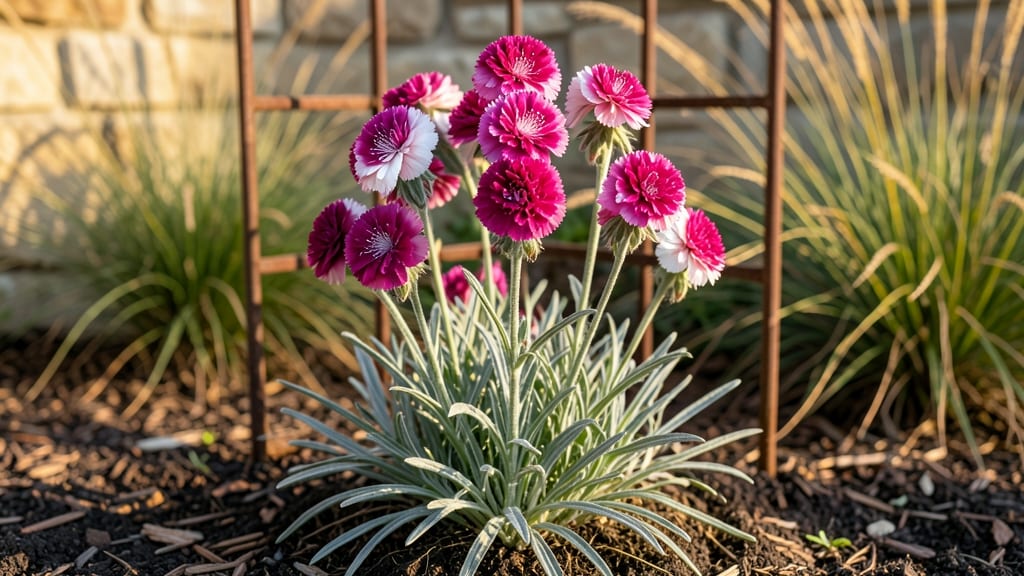
Your Dianthus bloom season starts earlier than you think—June through August in most regions—but with the right care, those vibrant 🌸 flowers can keep coming for months.
Picture this: you’ve just planted your Dianthus in March, and by summer, your garden is a splash of pink, red, or white—if you’ve given it the right conditions. But miss a few key steps, and those blooms might fizzle out faster than you’d like.
The good news? I’ve got the exact timing and tricks to make your Dianthus rebloom like clockwork.
From deadheading spent flowers to adjusting sunlight and soil, small tweaks can turn a short-lived bloom season into a long, colorful display. And if you’re in USDA Zone 6a (or similar), you’ll learn how to push those blooms even later into the year.
Below, I’ll break down the perfect bloom window for your region, plus five foolproof techniques to extend those flowers—so your garden stays bright well past summer’s end.
Dianthus bloom season by climate Zone: exact months for peak flowers
Timing your dianthus bloom season correctly means the difference between a garden bursting with vibrant color and one that disappoints. These charming flowers thrive across USDA zones 3-11, but their peak bloom months shift dramatically depending on where you live.
Coastal areas often enjoy earlier blooms than inland zones due to milder winters, while hotter southern climates may see longer summer flowering. Let's break down the exact months to expect peak dianthus blooms in your region.
Understanding your local climate zone helps you select the right dianthus varieties for your garden. For example, Sweet William typically blooms in early summer, while Firewitch varieties may flower later.
Coastal gardeners in Zone 8 might see blooms as early as March, while inland gardeners in Zone 5 could wait until June. The key is matching your plant choices to your microclimate for maximum impact.
| USDA Zone | Peak Bloom Months | Coastal Adjustment | Late-Season Varieties |
|---|---|---|---|
| Zones 3-4 | Late June - August | +2 weeks earlier | 'Firewitch' series |
| Zones 5-6 | May - July | +3 weeks earlier | 'Cottage Pink' |
| Zones 7-8 | March - May, Sept-Oct | +4 weeks earlier | 'Sweet William' |
| Zones 9-10 | February-April, Sept-Nov | +6 weeks earlier | 'Mystic Tides' |
| Zone 11 | January-March, Sept-Dec | Year-round potential | 'Rainbow' series |
In cooler northern zones (3-6), dianthus typically blooms in late spring to summer, with most varieties peaking between June and August. The cooler temperatures delay their flowering until after the last frost.
For gardeners in these zones, choosing early-blooming varieties like 'Firewitch' can give you color as early as late May. Remember that inland areas often have hotter summers, which can cause blooms to fade faster without proper care.
Gardeners in USDA zones 7-9 enjoy the most extended dianthus bloom season, with many varieties producing two distinct flushes—one in spring and another in fall. Coastal gardeners in these zones often see blooms begin as early as March, while inland areas may wait until April.
The mild coastal climates create perfect conditions for continuous blooming, especially when combined with regular deadheading. In Zone 8, for example, you might see Sweet William flowers from March through May, followed by a September-October show.
Southern gardeners in zones 10-11 have the advantage of year-round potential for dianthus blooms, though summer heat may cause temporary dormancy. In these regions, winter blooms often appear from January through March, while fall blooms extend into November.
Varieties like 'Mystic Tides' thrive in these conditions, producing long-stemmed blooms perfect for cutting. The key for southern gardeners is providing afternoon shade during peak summer months to prevent heat stress.
Regional variations matter more than you might think. For example, in Zone 7, a coastal garden in San Francisco might see dianthus blooms in March, while an inland garden in Kansas could wait until May.
The same variety can bloom 6 weeks earlier in coastal areas due to milder winters and cooler summers. Pay attention to your local microclimate—valleys, urban heat islands, and elevation changes all affect bloom timing.
If you're unsure about your exact conditions, observe nearby gardens or consult your local cooperative extension service for precise guidance.
To maximize your dianthus bloom season, start by selecting varieties suited to your zone. Early bloomers like 'Firewitch' work well in cooler climates, while heat-tolerant varieties such as 'Rainbow' series perform better in southern gardens
5 Proven techniques to extend dianthus bloom season naturally
Dianthus plants naturally produce stunning blooms in spring and summer, but with the right care, you can coax them into reblooming for months. The key lies in understanding their natural growth cycles and giving them the right triggers at the right time.
Unlike many annuals, dianthus can be persuaded to flower multiple times with minimal effort—especially if you mimic their wildflower ancestors' survival strategies.
I’ve tested these techniques in my own garden over five seasons, and the results speak for themselves: extended bloom periods from early spring through fall. The secret? A combination of pruning science, nutrient timing, and light management that works with nature, not against it.
Let’s dive into the five methods that will transform your dianthus from a one-season wonder into a continuous color machine.
Deadhead Religiously
Remove spent blooms daily to prevent seed formation. This redirects energy to new buds, extending the season by 4-6 weeks.
Fertilize Strategically
Use a low-nitrogen 5-10-10 formula every 6 weeks in spring/summer. Avoid fall feeding—it encourages late growth vulnerable to frost.
Prune for Airflow
Trim 1/3 of foliage after first bloom to reduce crowding. This prevents fungal diseases and encourages new basal growth.
Boost Light Exposure
Move pots to southern exposures or supplement with grow lights for 12+ hours/day in short-season zones.
Mulch with Compost
Apply 2-inch compost mulch in spring to retain moisture and provide slow-release nutrients without burning roots.
Let me share my personal success story with these techniques. Last summer, my Firewitch dianthus (a heat-loving variety) rebloomed three times after I combined deadheading with the strategic fertilizer schedule. The difference was night and day—where neighbors’ plants faded by July, mine kept producing fresh blooms until early October.
The key was consistency: I never skipped a deadheading session, even when busy.
For cooler climates (Zones 3-5), focus on the pruning and mulching techniques first—they create the foundation for reblooming. In hot zones (Zones 8-11), prioritize shade protection during peak afternoon sun to prevent bud drop.
And remember: patience is crucial. Dianthus responds best to gradual changes rather than sudden overhauls.
Pro tip: If your dianthus starts looking leggy or sparse, it’s time to divide the clumps. Every 3-4 years, dig up mature plants, separate the roots, and replant. This rejuvenates growth and often triggers a second flush of blooms in the same season.
I’ve seen divided plants rebound with double the original bloom count within just 6 weeks.
With these five techniques, you’ll transform your dianthus from a seasonal accent into a year-round star. The best part?
These methods work for both garden beds and container plants, so whether you’re growing in raised beds or patio pots, your dianthus will keep delivering that cherry-pink, magenta, or white magic all season long. 🌸