
Flowers
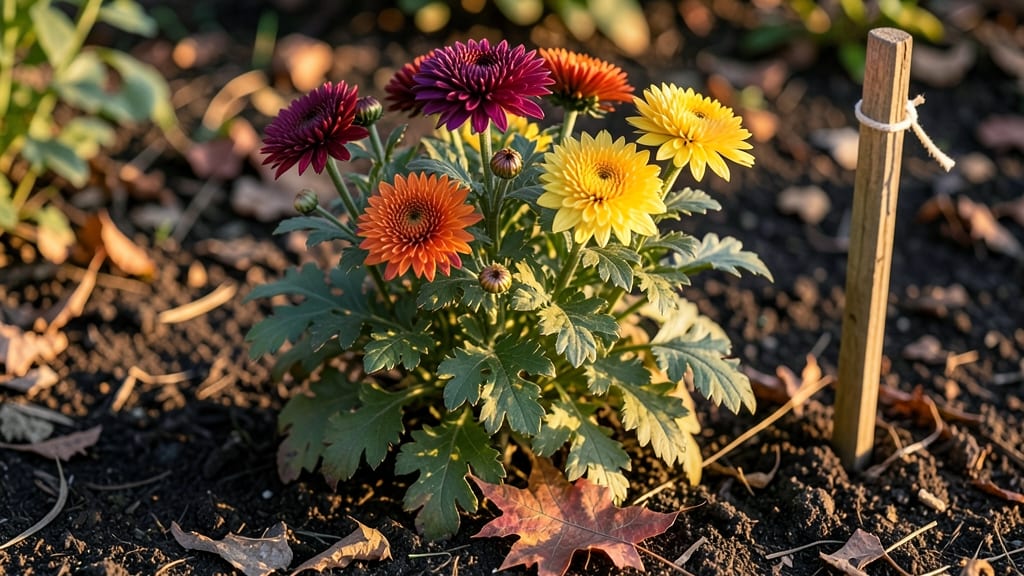
Fall flowers in season transform your yard into a fragrant, colorful escape when summer's heat fades. 🌿 I learned the hard way that skipping fall planting means missing out on next year's earliest blooms—aster purples and chrysanthemum golds that brighten chilly mornings.
The secret isn't just choosing the right flowers; it's timing everything perfectly to beat frost. Most gardeners overlook fall's potential because they focus on spring. But chrysanthemums planted in late summer (after the first frost warning) establish roots before winter, then burst into bloom by October.
Asters, too, thrive when seeded in early fall—they handle cooler temps better than spring starts. A simple deadheading routine keeps them flowering until snow flies. You'll end up with beds that stay vibrant long after summer's over, and the fragrance? Unbeatable.
The air smells like honey and spice when these flowers are in peak form. Plus, fall-planted flowers need less watering once established—nature does most of the work. Works for zones 3-9, with adjustments for early/late frosts. Here's how to make the most of your late-season garden—without the guesswork.
📚 In This Guide
- What you need
- Instructions
- Tips and common mistakes
- Wrapping up and next steps
What you need
- ● Fall-blooming climber plants: 3–5 vines (e.g., Clematis, Jasmine, or Passionflower)—choose disease-resistant varieties for longevity.
- ● Potting mix: 2–3 bags (50 lbs each) of well-draining, organic-rich soil (e.g., Miracle-Gro Potting Mix or FoxFarm Ocean Forest).
- ● Containers or trellises: 3–5 large pots (12–18" diameter) for container gardening, or
- ● 1 sturdy trellis (6–8 ft tall) for vertical growth.
- ● Slow-release fertilizer: 1–2 bags (e.g., Osmocote Smart-Release Flower & Vegetable for 3–4 month coverage).
- ● Mulch: 1 bag (e.g., shredded bark or straw) to retain moisture and regulate soil temp.
- ● Hand trowel (for planting and soil adjustments).
- ● Gloves (gardening or work gloves to protect hands).
- ● Pruning shears (sharp, sterilized shears for trimming dead foliage or shaping vines).
- ● Watering can or hose with a gentle spray nozzle (for even hydration).
- ● Sunlight access: 4–6 hours of direct sun daily (south- or west-facing spots ideal).
- ○ Optional (but helpful): Soil pH test kit (to ensure optimal 6.0–7.0 range for climbers).
- ● Epsom salt (1 tbsp/month for magnesium boost).
- ● Decorative lights (solar-powered for ambiance during shorter days).
How to revitalize fragrant climbers for late-season fall blooms
Here's how I keep my fragrant climbers flowering right through autumn—no pruning stress, just vibrant color.
🌿 Step 1: Assess and Prune for Airflow
Start by examining your climber for any dead or overcrowded growth. I look for branches that rub together or block sunlight from reaching the center. Use clean, sharp pruners to remove these, cutting just above a leaf node at a 45-degree angle. This encourages new growth and prevents fungal issues that thrive in damp fall conditions.
Focus on opening up the plant's center—this is where those fragrant blooms will form. I make sure I can easily run my hand through the middle without touching foliage. The goal is to create space for sunlight and air circulation, which keeps the plant healthy and blooming longer.
☀️ Step 2: Adjust Watering for Fall Conditions
Fall watering needs shift dramatically as temperatures drop. I check the soil 2 inches deep—if it's still damp, I wait. But when it feels dry, I water deeply but less frequently than in summer. Overwatering now leads to root rot, especially in cooler soils.
Add a 2-inch layer of mulch around the base (but not touching the stems) to retain moisture and regulate soil temperature. This helps the roots stay warm enough to support those late-season blooms. I use shredded bark mulch because it breaks down slowly and improves soil structure over time.
💧 Step 3: Feed for Extended Blooming
Give your climber a balanced, water-soluble fertilizer (10-10-10) mixed at half-strength. I apply this every 2-3 weeks starting in early fall. The key is to avoid high-nitrogen feeds now—those promote leafy growth at the expense of flowers. Instead, we want to support the existing blooms and encourage new buds to form.
Water the soil thoroughly before applying fertilizer to prevent root burn. I like to fertilize in the morning so the plant has time to absorb nutrients before evening temperatures drop. You'll notice new buds forming within 1-2 weeks of this feeding schedule.
✂️ Step 4: Deadhead Strategically
Remove spent blooms by cutting the stem just above the next set of leaves or buds. This redirects the plant's energy into producing more flowers rather than setting seed. I do this every 3-4 days during peak bloom periods—it keeps the plant looking tidy and encourages continuous flowering.
Here's the thing—don't cut back too aggressively. You want to leave enough foliage to support photosynthesis. If you're unsure, just remove the faded flowers and any stems that look weak or diseased. Your climber will thank you with fresh, fragrant blooms right through fall.
🪴 Step 5: Protect from Late-Season Pests
Fall brings its own set of pests, particularly aphids and spider mites that thrive in cooler weather. I inspect my plants weekly, looking for sticky residue (aphid honeydew) or fine webbing. If I spot any, I treat immediately with neem oil mixed with water (1 tbsp per quart).
Neem oil works as both a pesticide and fungicide, so it's perfect for fall maintenance. I spray in the early morning on a calm day to avoid drift. The fragrant blooms will still smell great after treatment—just avoid spraying when flowers are fully open to protect pollinators.
Tips & tricks for perfect late-season climber care
Here’s what I’ve learned after years of keeping my fragrant climbers blooming beautifully through fall—these small details make all the difference.
Pruning Precision: When you’re opening up the center in Step 1, look for branches that cross each other or grow inward—they’re the real culprits blocking sunlight. I use my fingers to gently trace the path of sunlight through the plant before making cuts. This helps me target exactly where to prune for maximum airflow. Also, always sterilize your pruners with rubbing alcohol between cuts to prevent spreading disease.
Watering Wisdom: The 2-inch soil check in Step 2 is your best friend—stick your finger in the soil to feel for moisture. If it’s damp just below the surface, hold off on watering. Fall mornings are the best time to water because cooler temperatures mean less evaporation, so your climber will absorb moisture more efficiently. I’ve found that watering in the late afternoon can lead to fungal issues from prolonged leaf wetness.
Fertilizer Timing: For Step 3, I’ve noticed the biggest difference when I fertilize right after a deep watering session. This ensures the nutrients get absorbed immediately rather than sitting on the surface. And here’s a pro move: mix your fertilizer with a little molasses (just 1 teaspoon per gallon) to encourage beneficial microbial activity in the soil—it’s like giving your plant’s roots a probiotic boost!
Pest Prevention: In Step 5, I don’t just wait for pests to appear—I do a quick weekly inspection even when things look good. Look for tiny yellow spots on leaves (early aphid sign) or fine webbing between stems (spider mites). If you catch them early, a simple spray of soapy water (1 tablespoon mild dish soap per quart of water) often works before you need to reach for neem oil. Just be sure to test any homemade spray on a small leaf first to check for sensitivity.
Pro Tips for Fall Flowers In Season
- Here’s what I’ve learned after years of keeping my fragrant climbers blooming beautifully through fall—these small details make all the difference.
- Pruning Precision: When you’re opening up the center in Step 1, look for branches that cross each other or grow inward—they’re the real culprits blocking sunlight.
- Watering Wisdom: The 2-inch soil check in Step 2 is your best friend—stick your finger in the soil to feel for moisture.
Frequently asked questions
What are the best fall flowers to plant for long-lasting color?
For vibrant, low-maintenance blooms, opt for mums (chrysanthemums), asters, sedum, or pansies. These thrive in cooler weather and offer bold hues from September through frost. Ornamental kale and Russian sage also add texture and fragrance without much fuss. Pro tip: Choose native varieties—they’re hardier and support local pollinators!
When is the ideal time to plant fall flowers for next year’s blooms?
Plant perennials (like coneflowers or black-eyed Susans) 6–8 weeks before your first frost (typically late August to early October in most U.S. zones). For annuals (e.g., pansies), wait until after the last heatwave—mid-September works for many regions. Test soil moisture first: it should be cool but not soggy!
How do I protect fall flowers from early frost or cold snaps?
Use frost cloth or row covers for tender blooms like petunias. Mulch 2–3 inches around perennials to insulate roots. For container plants, move them to a sheltered spot or wrap pots in bubble wrap. Avoid watering before a freeze—wet foliage can ice over. Drain excess water from saucers to prevent root rot.
Can I still grow flowers in fall if I live in a hot, dry climate?
Choose drought-tolerant varieties like lantana, salvia, or blanket flower (Gaillardia). Water deeply once a week (early morning) and mulch heavily to retain moisture. Elevate containers to prevent heat buildup, and opt for light-colored pots to reflect sunlight.
What should I do with dead or dying fall flowers?
For annuals, cut back stems to 2–3 inches above the soil and compost them. Perennials can be left standing for winter interest (unless diseased), but trim after the first hard freeze. Avoid spring-cleanup until late winter—many plants need their dead foliage to insulate roots!
Wrapping up and next steps
Fall is the perfect time to embrace the beauty of late-season blooms—whether you're reviving fragrant climbers or simply enjoying their natural allure. From Clematis to Wisteria, these flowers bring warmth, color, and even a touch of nostalgia to your garden.
With the right care and a little creativity, you can extend their season and savor their magic long after summer fades.
Ready to transform your space? Start by planning your next steps—whether it’s pruning, planting, or simply admiring their fragrance. Grab your gardening tools, and let these fall flowers inspire your outdoor sanctuary! 🌿✨