
Flowers
December’s flowers that are in season might seem limited, but these hardy blooms prove winter gardens can be stunning—hellebores, winter jasmine, and camellias thrive when others fade, adding color and life to frosty landscapes. 🌿 My first year growing winter flowers, I discovered their quiet beauty.
These plants handle cold snaps with ease, often blooming from late fall through early spring. Hellebores offer delicate shades of white, pink, and purple, while winter jasmine brings bright yellow cheer. Camellias, with their glossy leaves and bold blooms, make a statement against icy backdrops.
You'll find these beauties in nurseries year-round, but December is prime time to plant them before the ground freezes. Their evergreen foliage also provides structure, making your garden look intentional even when most plants are dormant.
For extended blooms, deadhead spent flowers and protect tender varieties with mulch. In colder zones, choose varieties bred for resilience—like the 'Sutton's Pink' hellebore or 'Jasmine' winter jasmine. These flowers don't just survive winter; they steal the show.
📚 In This Guide
- What you need
- Instructions
- Tips and common mistakes
- Wrapping up and next steps
What you need
- ● Seasonal flowers (December varieties): Amaryllis bulbs (2–5, depending on desired display size)
- ● Paperwhites (10–20 bulbs for a fragrant cluster)
- ● Cyclamen (3–6 plants for indoor pots)
- ● Hellebores (2–4 plants for outdoor winter interest)
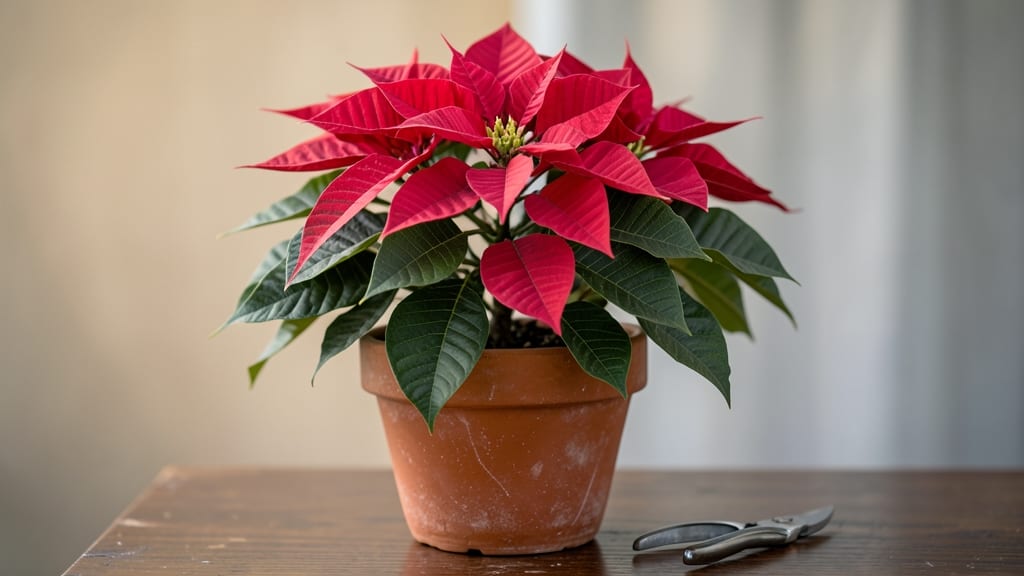
- ● Poinsettias (1–3 plants for bold holiday color)
- ● Potting soil: 1–2 bags of well-draining, peat-free mix (e.g., for bulbs or cyclamen)
- ● Containers: Ceramic or terracotta pots (3–6, 6–8 inches in diameter)
- ● Decorative vases (1–2, for cut arrangements)
- ○ Optional: Wooden planters or hanging baskets for rustic charm
- ● Basic gardening tools: Trowel or small shovel (for planting bulbs)
- ● Pruning shears (for trimming stems)
- ● Measuring cup or ruler (to ensure proper bulb spacing)
- ○ Decorative extras (optional but fun!): Moss or pebbles (for container drainage layers)
- ● Holiday-themed ribbons or picks (for arrangements)
- ● Twinkle lights or battery-operated candles (for ambiance)
- ● Prerequisites: Access to a sunny windowsill or grow light (for indoor blooms)
- ● Outdoor space (if planting hellebores or winter-hardy flowers)
- ● Patience! Some flowers (like amaryllis) take 6–8 weeks to bloom.
How to create a stunning December garden with cold-hardy flowers
Winter gardens aren't just possible—they're magical when you choose the right blooms.
☀️ Step 1: Select December-Blooming Flowers for Your Climate
Start by choosing flowers proven to thrive in winter conditions. For colder regions, opt for heather (Calluna), winter jasmine (Jasminum nudiflorum), and snowdrops (Galanthus)—these handle frost beautifully. In milder climates, camellias (Camellia japonica) and cyclamen (Cyclamen persicum) shine with vibrant colors. Check your hardiness zone to ensure your selections can survive local lows.
I always verify bloom times with local nurseries—they often have insight into microclimates that affect winter blooms. For example, Christmas rose (Helleborus niger) thrives in zones 4-8 but needs well-drained soil to prevent root rot in wet winters. Plant these in slightly elevated beds to improve drainage.
🪴 Step 2: Prepare Soil and Planting Sites
December flowers need well-amended soil to support root growth during dormant periods. Mix 2-3 inches of compost into the top 12 inches of soil before planting. For container gardens, use a lightweight potting mix with added perlite to prevent compaction. I like to add a slow-release fertilizer at planting time to give roots a nutrient boost before spring.
Choose planting locations with partial shade—morning sun and afternoon shade protect delicate blooms from harsh winter winds. If your garden gets heavy snowfall, plant low-growing varieties like snowdrops in protected spots where snow won't accumulate and suffocate stems. Mulch heavily with 2-3 inches of shredded bark after planting to insulate roots.
💧 Step 3: Water and Mulch for Winter Survival
Water newly planted winter flowers deeply once a week unless rainfall provides 1 inch of moisture. Overwatering in winter can lead to root rot, so always check soil moisture by pushing your finger 2 inches deep—water only if it feels dry. I use a soaker hose for containers to deliver moisture directly to roots without wetting foliage, which can encourage fungal diseases.
Apply a thick layer of mulch (3-4 inches) after the first frost to protect roots from extreme temperature fluctuations. Organic mulches like straw or pine needles also improve soil structure over time. For container plants, wrap pots in bubble wrap or frost cloth during sub-freezing nights to prevent temperature shock.
✂️ Step 4: Prune and Protect Established Plants
Prune dead or damaged stems from last year's growth in early December to encourage new blooms. For heather and winter jasmine, trim back one-third of the oldest stems to stimulate fresh growth. Avoid heavy pruning of camellias—they bloom on old wood, so only remove spent flowers. I always sterilize pruners with rubbing alcohol to prevent spreading disease.
Group plants with similar water needs together to simplify winter care. For example, snowdrops and hellebores prefer moist but well-drained soil, while winter jasmine tolerates drier conditions. Add windbreaks like evergreen shrubs or trellises to shield delicate blooms from drying winter winds. This small step makes a huge difference in bloom quality.
🌱 Step 5: Monitor and Adjust for Winter Conditions
Check plants weekly for signs of stress—yellowing leaves often indicate overwatering, while brown, crispy edges signal frost damage. If a sudden cold snap is forecast, cover tender plants with frost blankets or burlap sacks during the day to prevent temperature shock. Remove covers when temperatures rise to avoid overheating roots.
Adjust your care routine based on local weather patterns. In areas with freeze-thaw cycles, water lightly before expected freezes to prevent roots from expanding and cracking. For containers, move them to a protected location like against a south-facing wall if heavy snow is expected. A little proactive care ensures your winter garden remains vibrant until spring.
Tips & tricks for perfect December garden blooms
Creating a winter garden that thrives takes thoughtful planning—here's how to elevate your December blooms from good to stunning.
Climate-Specific Selection: Beyond the recommended flowers, consider adding winter aconite (Eranthis hyemalis) for zones 5-8—their bright yellow blooms appear even under snow. For coastal gardens, sea thrift (Armeria maritima) handles salt spray beautifully. Always cross-reference your selections with your local cooperative extension service for hyper-local advice on microclimates. I once planted Christmas roses in a low-lying area where they suffered from winter waterlogging—moving them to a raised bed transformed their survival rate.
Soil Preparation Pro Tip: For container gardens, blend your lightweight potting mix with 20% perlite and 10% worm castings—this improves drainage while adding natural nutrients. In ground plantings, incorporate 1 cup of bone meal into the 12-inch soil depth when mixing compost. This phosphorus boost encourages stronger root systems that handle winter stress better. The difference in plant vigor after just one season is remarkable.
Winter Watering Wisdom: When checking soil moisture at 2 inches deep, look for the texture rather than just dryness—sandy soils dry faster and need watering sooner than clay soils. For container plants, weigh them before watering: a 10% weight loss indicates it's time to water. This method prevents both overwatering and underwatering, both of which stress winter plants. I keep a small scale near my greenhouse for this exact purpose.
Pruning Precision: When trimming back heather or winter jasmine, use sharp pruners to make clean cuts at a 45-degree angle just above a leaf node. This encourages bushier growth next season. For camellias, always prune after flowering to preserve next year's blooms. I mark my pruning schedule with colored flags on the plants themselves—red for winter pruning, green for spring—to avoid confusion during busy gardening seasons.
Pro Tips for Flowers That Are In Season In December
- Creating a winter garden that thrives takes thoughtful planning—here's how to elevate your December blooms from good to stunning.
- Climate-Specific Selection: Beyond the recommended flowers, consider adding winter aconite (Eranthis hyemalis) for zones 5-8—their bright yellow blooms appear even under snow.
- Soil Preparation Pro Tip: For container gardens, blend your lightweight potting mix with 20% perlite and 10% worm castings—this improves drainage while adding natural nutrients.
Frequently asked questions
about December’s in-season blooms—because winter flowers deserve a little extra love!Why are there so few flowers in December?
December’s chill limits blooms, but hardy varieties like poinsettias and amaryllis thrive in cold. Many flowers are dormant, but evergreens (e.g., holly) and forced blooms (like paperwhites) brighten the season. Think of it as nature’s cozy hibernation—just with a few star players!
When is the exact peak season for December flowers?
Timing varies by flower and climate! Poinsettias peak mid-December, while paperwhites bloom late December through January. Check your USDA zone—coastal areas (like California) may have earlier blooms than inland regions. Pro tip: Buy early for longer vase life!
Can I grow December flowers indoors?
Paperwhites, amaryllis, and Christmas cactus are perfect for pots. Ensure bright light (south-facing windows) and keep soil moist but not soggy. Avoid drafts—these blooms hate temperature swings! For extra flair, add LED grow lights for 12+ hours/day.
What’s a budget-friendly alternative to expensive December flowers?
Skip pricy poinsettias—opt for eucalyptus (dollar stores often carry it!), pine sprigs (for free from trees!), or dried flowers like statice. Even holly berries add festive cheer without breaking the bank. Bonus: Forage for cedar or frosted berries in local parks!
How do I keep cut December flowers fresh longer?
Trim stems at an angle, use cool water (change every 2 days), and avoid direct sunlight. Add a splash of bleach (1 tsp/quart) or flower food to prevent bacteria. For poinsettias, keep them away from heaters—they wilt faster! Pro tip: Store blooms in the fridge overnight for an extra 3–5 days.
Wrapping up and next steps
December may bring chilly winds, but it also gifts us with hardy, elegant blooms that thrive in winter’s embrace. From poinsettias’ vibrant cheer to holly’s classic allure, these seasonal flowers bring warmth, color, and life to your space—even when snowflakes dance outside. 🌸❄️
Now that you’ve discovered the magic of December’s floral stars, why not bring one (or more!) into your home?
Whether you’re gifting a paperwhite narcissus to a loved one or treating yourself to a Christmas cactus, these blooms are the perfect way to celebrate the season. Shop now and let winter’s beauty bloom brighter than ever!