
Blooming
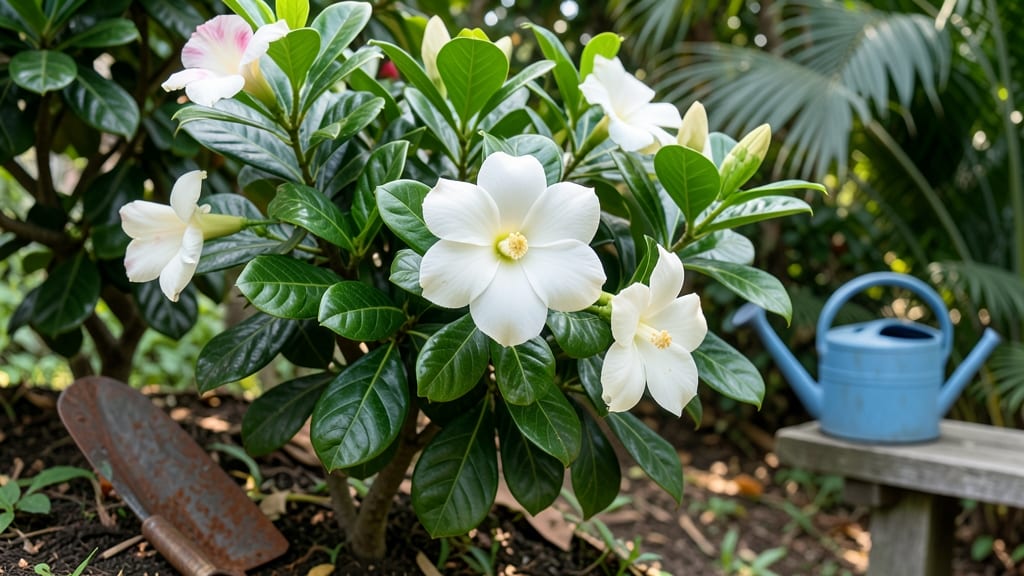
The gardenia blooming season starts when your plant finally rewards years of care with those creamy-white, intoxicating blooms—and timing it right means months of fragrance instead of just a few weeks.
I used to get frustrated watching mine bloom once in late spring and then fade, until I learned the secret: pruning at the right time shifts the whole season.
In warmer climates like Florida or Southern California, gardenias can flower year-round with proper care, while Northern gardeners might only see blooms from late spring through summer. The key to extending that blooming window is understanding your gardenia’s natural rhythm.
These tropical plants need warmth to trigger flowers, so in cooler zones, you’ll likely see a spring/summer peak—unless you bring them indoors during winter. Pruning right after blooming (not before!) encourages new growth that leads to more flowers.
And here’s the game-changer: light, regular pruning keeps the plant compact and focused on blooming instead of growing wild. By the end of summer, you’ll have a bush covered in those signature flowers, filling your yard with a scent so rich it stops neighbors in their tracks.
The secret isn’t complicated—just timing, sunlight, and a little patience. Even if you’re new to gardenias, this approach works for both container plants and in-ground shrubs.
Regional differences matter, but the basics stay the same: gardenias hate cold drafts and need morning sun, afternoon shade to keep blooming. In colder areas, overwintering them indoors (near a bright window) preserves their blooming cycle.
The payoff? Instead of a single flush of flowers, you’ll get multiple bloom cycles throughout the growing season—sometimes even into fall if you’re lucky.
📚 In This Guide
- What you need
- Instructions
- Tips and common mistakes
- Wrapping up and next steps
What you need
- ● Gardenia plants: Mature, healthy gardenias (e.g., Gardenia jasminoides) with at least 2–3 years of growth (1–3 plants per container or in-ground, depending on desired fragrance intensity).
- ● Pruning shears: Sharp, sterilized bypass pruners (avoid dull tools—blunt blades crush stems!).
- ● Gloves: Heavy-duty gardening gloves (gardenia thorns are no joke!).
- ● Disinfectant: 70% isopropyl alcohol or a horticultural-grade sanitizer (to prevent disease spread).
- ● Potting mix (if repotting): Well-draining, acidic mix (pH 5.0–6.5); blend equal parts peat moss, perlite, and pine bark fines.
- ● Watering can: With a rose nozzle for gentle hydration (avoid overhead spraying—wet blooms = fungal risks!).
- ● Fertilizer: Slow-release acidic fertilizer (e.g., 8-3-9 with micronutrients) or liquid bloom booster (like Miracle-Gro Bloom Booster).
- ● Mulch: Pine bark or coconut coir (2–3 inches deep) to retain moisture and acidity.
- ● Growth regulator: Paclobutrazol (e.g., B-Nine) to control excessive growth (apply per label instructions).
- ● Humidity tray: For container gardenias (pebble tray + water to boost moisture levels).
- ● Sunlight meter: To monitor light exposure (gardenia loves bright, indirect light—6+ hours daily).
- ● Pruning paint: (e.g., Tree Seal) to seal large cuts and prevent disease.
- ● Fragrance journal: Notebook to track blooming cycles, pruning dates, and fertilizer adjustments!
How to extend your gardenia's blooming season
With the right timing and technique, you can coax your gardenia into a nearly continuous display of fragrant blooms.
Understand the Natural Blooming Cycle
Gardenias bloom in response to temperature shifts, typically producing their heaviest flush in late spring through summer. The key to year-round blooming lies in mimicking these natural triggers while maintaining consistent care. Your goal is to encourage multiple bloom cycles rather than relying on a single seasonal flush.
Watch for your gardenia's natural pattern—most varieties produce buds after a period of cooler weather followed by warming temperatures. Once you identify this cycle, you can work backward to create artificial triggers. For example, if your plant blooms heavily in June, you'll want to prune and adjust care in late winter to set up the next cycle.
Prune at the Right Time for Continuous Blooms
Prune your gardenia immediately after its main blooming season ends, typically in early to mid-fall. This timing allows new growth to establish before winter dormancy. Remove spent blooms and any leggy or crossing branches to encourage bushier growth. Cut just above a leaf node or bud to promote branching.
Here's the thing—gardenias bloom on old wood, meaning the flowers develop on stems that grew the previous season. Avoid heavy pruning in late winter or early spring, as this removes potential bloom sites. Instead, focus on shaping and light pruning to maintain the plant's form while preserving next year's flowers.
Adjust Watering to Stimulate New Growth
Gardenias thrive in consistently moist but well-draining soil. During the dormant winter months, reduce watering slightly to allow the soil to dry out between waterings. This slight stress period helps break dormancy and signals the plant to prepare for new growth. Once you see fresh leaves emerging in early spring, return to regular watering.
Water deeply when the top 2-3 inches of soil feel dry to the touch. Overwatering causes root rot and prevents blooming, while underwatering stresses the plant. A good soak followed by a drying period encourages strong root development, which supports more abundant blooming. Mulch around the base with 2-3 inches of organic mulch to retain moisture and regulate soil temperature.
Provide Optimal Light and Temperature Conditions
Gardenias need bright, indirect light for at least 6-8 hours daily. A south or east-facing window is ideal, but avoid harsh afternoon sun, which can scorch leaves. If growing outdoors in hot climates, provide afternoon shade during peak summer months. Indoors, supplement with a grow light if natural light is insufficient.
Temperature fluctuations trigger blooming. Aim to keep your gardenia in a range of 65-75°F during the day and slightly cooler at night. A drop of 10°F or more at night can stimulate bud formation. If you're in a warm climate year-round, you may need to create this temperature shift artificially by moving the plant to a cooler location at night or using a fan to circulate air.
Fertilize Strategically for Consistent Blooms
Use a balanced, acid-loving plant fertilizer with equal parts nitrogen, phosphorus, and potassium (e.g., 10-10-10 or 20-20-20). Fertilize lightly every 4-6 weeks during the growing season, starting in early spring and tapering off in late summer. Gardenias are sensitive to excess fertilizer, which can lead to leaf burn or reduced blooming.
For year-round blooming, switch to a low-nitrogen, high-phosphorus fertilizer (e.g., 5-10-5) in late summer to encourage flower production. Always water thoroughly before and after fertilizing to prevent root burn. Avoid fertilizing during dormancy, as this can stress the plant and delay blooming.
Tips & tricks for year-round gardenia blooms
To keep your gardenia flowering beautifully beyond its natural season, precision in timing and care makes all the difference.
Timing is Everything: The key to year-round blooms lies in understanding your gardenia's natural cycle. Most varieties respond to temperature shifts—typically blooming after cooler weather transitions to warmth. If your gardenia blooms heavily in June, plan your fall pruning and winter care around late winter to set up the next cycle. This creates a predictable rhythm that mimics nature's triggers, encouraging multiple bloom cycles instead of one seasonal flush.
Pruning Precision: In Step 2, when pruning after the main blooming season, focus on removing only spent blooms and leggy growth. Gardenias bloom on old wood, so avoid heavy pruning in late winter or spring—this removes potential flower sites. Instead, shape lightly to maintain form while preserving next year's blooms. Cut just above a leaf node or bud to promote branching, which creates more sites for future flowers.
Watering Wisdom: The 2-3 inch soil dryness rule in Step 3 is critical—overwatering causes root rot, while underwatering stresses the plant. During winter dormancy, reduce watering slightly to allow soil to dry between waterings. This stress period signals the plant to prepare for new growth. Once fresh leaves appear in spring, return to regular deep watering to encourage strong root development, which supports abundant blooming.
Light and Temperature Tricks: Gardenias need 6-8 hours of bright, indirect light daily—a south or east-facing window works best. For artificial triggers, create a 10°F nighttime temperature drop if you're in a warm climate. Move the plant to a cooler spot at night or use a fan to circulate air. This fluctuation mimics seasonal changes and stimulates bud formation, even in stable climates.
Pro Tips for Gardenia Blooming Season
- To keep your gardenia flowering beautifully beyond its natural season, precision in timing and care makes all the difference.
- Timing is Everything: The key to year-round blooms lies in understanding your gardenia's natural cycle.
- Pruning Precision: In Step 2, when pruning after the main blooming season, focus on removing only spent blooms and leggy growth.
Frequently asked questions
about gardenia blooming season—because every gardener deserves clarity!When do gardenias bloom in my region?
Gardenia blooming season typically spans spring through summer (April–July), but timing varies by climate. In warmer zones (USDA 9–11), they may bloom year-round. Cooler regions (USDA 7–8) often see peak blooms in late spring. Check your local frost dates—gardenia hates cold!
How long do gardenia flowers last?
Individual blooms last 3–7 days, but the plant produces new flowers continuously during peak season. For extended enjoyment, prune spent blooms regularly—this encourages fresh growth. Deadheading (removing faded flowers) also prevents seed pods from draining energy.
Why isn’t my gardenia blooming?
Common culprits:
- Too much shade—gardenia needs 6+ hours of sunlight.
- Over-fertilizing with high-nitrogen feed (focus on phosphorus for blooms).
- Stress from transplant shock, drought, or root-bound pots.
- Pruning at the wrong time (never after mid-summer).
Can I force gardenias to bloom out of season?
Not reliably, but you can extend the season with these tricks:
- Move potted gardenias to a sunny, sheltered spot in fall/winter.
- Use a grow light (12+ hours/day) indoors.
- Avoid heavy pruning—focus on light shaping to encourage blooms.
What’s the best gardenia variety for continuous blooms?
Top picks for prolonged fragrance:
- ‘Kleim’s Hardy’—tolerates cooler temps (USDA 7) and blooms spring–fall.
- ‘Radicans’—compact, bushy, and heavy-blooming.
- ‘Veitchii’—large, creamy blooms (ideal for containers).
Wrapping up and next steps
Gardenia blooming season doesn’t have to be fleeting—with the right pruning timing and care, you can enjoy their lush, fragrant blooms year-round. 🌸 Whether you’re trimming for shape, encouraging new growth, or reviving a struggling plant, the key lies in patience, precision, and seasonal awareness.
Now that you’re armed with the know-how, grab those pruners and give your gardenia the love it deserves—your efforts will be rewarded with months of intoxicating beauty!
Ready to transform your garden? Start with a single pruning session this week and observe how your gardenia responds. Over time, you’ll master the art of timing and technique, turning your backyard into a fragrant paradise. Happy gardening! 🌿✨