
Vegetables
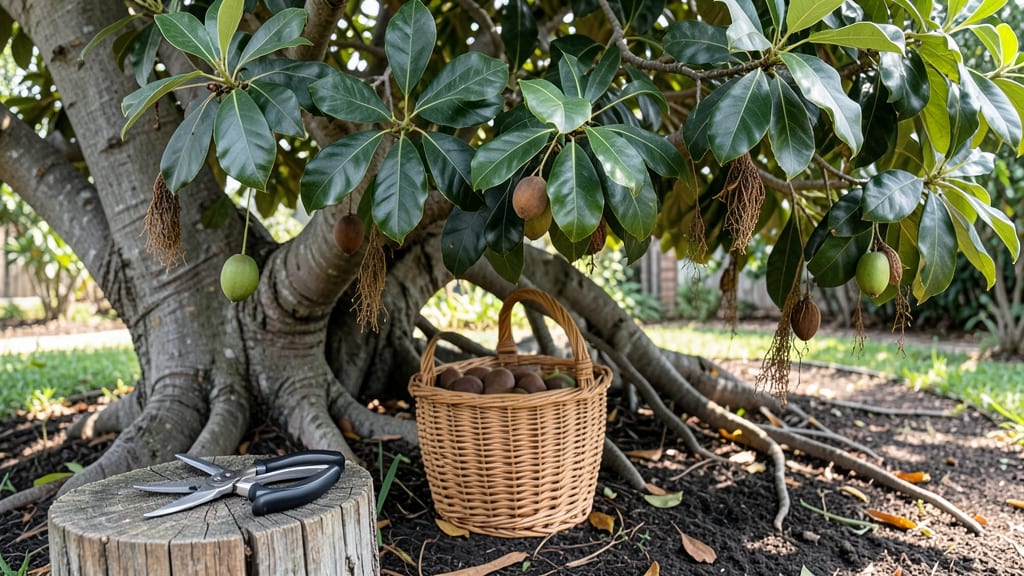
Green almond season arrives in late summer when the pods turn from vibrant green to a light brown 🌱—the moment between too soon and too late that makes all the difference in flavor.
If you’ve ever cracked open a fresh green almond straight from the tree and savored its delicate, slightly sweet crunch, you know why timing your harvest matters—miss the window, and you’ll miss out on peak flavor and texture.
In Mediterranean climates like California or Australia, where Prunus dulcis thrives, the harvest typically spans August through October, but regional variations mean your exact timing depends on local heat and rainfall patterns.
Below, I’ll break down how to spot the perfect moment to pick, regional adjustments for zones 8a-10b, and simple storage tricks to keep those almonds fresh for weeks after the harvest.
Understanding the perfect green almond harvest season by region
Timing your green almond harvest correctly ensures you enjoy the peak flavor and nutritional benefits these delicate nuts offer. Unlike their dried counterparts, green almonds must be picked at the right maturity stage, which varies dramatically by climate zone.
Whether you're growing them in the Mediterranean, California, or Australian regions, understanding these regional differences is key to a successful harvest.
Green almonds thrive in warm, dry climates with hot summers and mild winters. The harvest window typically falls between late summer and early fall, but exact timing depends on temperature patterns, rainfall, and local microclimates.
For example, California's Central Valley often sees harvests in September, while Mediterranean regions may extend into October due to cooler nights.
Here’s a quick reference for green almond harvest seasons by region, including temperature cues and maturity indicators to help you pinpoint the perfect time to pick:
In Mediterranean climates, where green almonds originated, the harvest season aligns with the transition from summer to fall. Look for pods changing color from vibrant green to a muted greenish-brown, a clear sign that the sugar content has peaked.
In these regions, temperature drops at night also signal readiness—aim to harvest before frost threatens, as even a light frost can ruin the delicate flavor.
For California growers, the Central Valley’s hot, dry summers create ideal conditions for green almonds. The harvest window narrows to just a few weeks in September, so stay vigilant. Pay attention to humidity levels
How to identify when green almonds are ready for picking
Timing your green almond harvest is all about reading the tree's cues. The pods transition from vibrant green to a greenish-brown hue, signaling they're nearing peak ripeness. This shift happens gradually, so pay close attention to pod color changes over 1-2 weeks.
I always start checking when the first pods begin lightening—this is my personal harvest readiness trigger.
Beyond color, the tactile test is your best friend. Gently shake a pod—if you hear a faint rattling sound inside, the seed is loosening from its shell. This means the sugar content is peaking, and the nutmeat is tender but still firm.
I test 3-4 pods daily once the color shift begins to ensure consistency across the tree.
5 Key Signs Your Green Almonds Are Ready
- Pod Color: Greenish-brown (not fully brown) with slight yellowing at edges
- Shell Hardness: Slightly soft when pressed (not mushy) with visible seams
- Rattling Test: Clear rattle when shaken (indicates seed separation)
- Taste Test: Sweet-tart flavor with crisp texture (not bitter)
- Detachment: Pods twist off easily (70% of pods should release with gentle pressure)
Pro Tip: Use a refractometer for sugar content (ideal: 12-15% Brix). Pair this with the tactile test for foolproof timing.
Don't rely solely on color—taste is your final judge. Crack open a pod and sample the nutmeat. At peak ripeness, it should be sweet with a hint of tartness, not bitter or bland.
I always test 2-3 pods from different branches to account for tree variability. If the flavor is underwhelming, wait another 2-3 days.
For precision, I use a handheld refractometer to check sugar content. Green almonds hit their sweetest point at 12-15% Brix. This tool is especially useful if you're growing almonds for commercial purposes or want to ensure consistency.
Pair this with the color and rattling tests for a triple-check system.
Watch the pod detachment too—ready pods should release with gentle twisting (about 70% of pods on a branch). If pods resist, they're not quite ripe. I mark these branches with a twist-tie to monitor their progress daily. This method helps me track harvest readiness across large trees efficiently.
Remember, harvest timing varies by climate. In cooler regions, pods may take longer to ripen, while warmer zones can see faster maturation. I adjust my checks based on local temperature trends—if nights stay warm, I test pods more frequently.
The goal is to harvest when the nutmeat is tender but still holds its shape.