
Vegetables
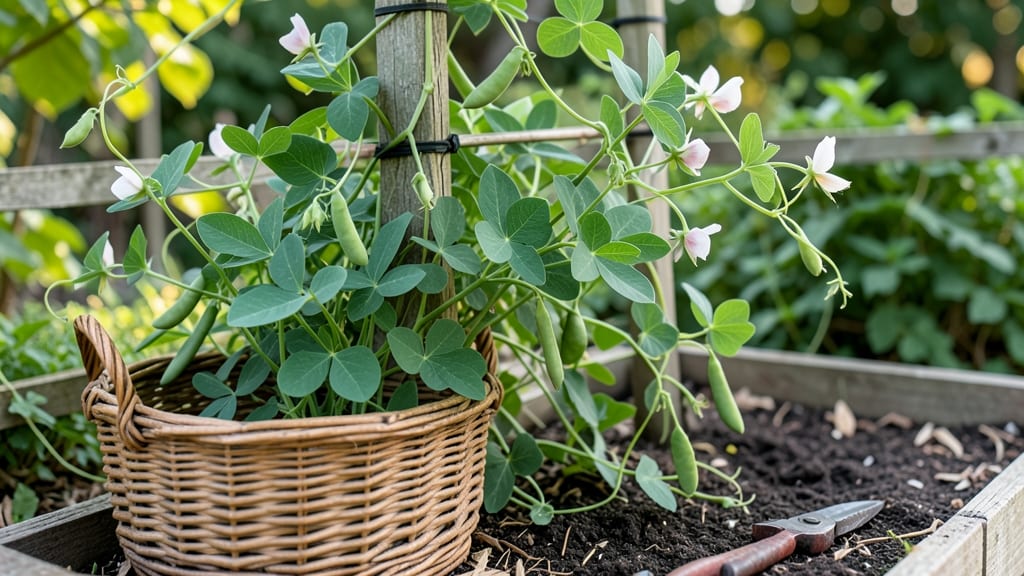
Green peanuts thrive during their season of warm soil and long days, a window that can make or break your harvest if you miss it.
Timing your green peanut harvest perfectly can mean the difference between rich, flavorful pods and bitter, underdeveloped ones—but knowing the exact planting and harvesting windows by USDA zone is the secret most gardeners miss.
In Zones 10-12 or Zone 6+ with warm summers, the ideal planting window is April–May, when soil temperatures hit 70°F+ and frost risk vanishes. For cooler regions, wait until after the last frost, even if it pushes planting to June.
Below, I’ll break down the month-by-month schedule for your zone, plus the telltale signs—like leaf color and pod rattling—that mean it’s time to harvest before the vines slow down for good.
Green peanut planting months by USDA zone for maximum yield
Green peanuts (Mucuna pruriens) thrive in warm climates and demand precise planting timing to avoid frost damage. Unlike traditional peanuts, these vines produce edible green pods in just 3-6 months—making zone-specific planning critical.
Plant too early in cooler zones, and your vines may struggle; plant too late, and you risk stunted pod development. Let’s break down the ideal planting windows by USDA zone to ensure a bountiful harvest.
Green peanuts are tropical vines that require consistent warmth and long growing seasons. In USDA Zones 10-12, you can plant year-round with minimal frost risk, but gardeners in Zones 6-9 must time their planting carefully to avoid early frost.
The key? Wait until soil temperatures hit 70°F+ and choose varieties suited to your climate. Below, I’ve outlined the best planting months for each zone, along with soil prep tips and spacing guidelines.
| USDA Zone | Planting Window | Soil Temp Requirement | Ideal Spacing | Harvest Window | Frost Risk |
|---|---|---|---|---|---|
| 6-7 | Late May - Early June | 70°F+ (use black plastic mulch) | 18-24" apart | September - October | High (plant after last frost) |
| 8-9 | April - May | 65°F+ (soil thermometer recommended) | 20-24" apart | August - September | Moderate (cover vines in frost) |
| 10-11 | March - April or September | 60°F+ (fast germination) | 24-30" apart | June - July or November | Low (year-round possible) |
| 12 | Year-round (2 crops/year) | 55°F+ (fastest growth) | 30-36" apart | April - May or October | None |
In USDA Zones 6-7, where frost is a major threat, I recommend planting after Memorial Day (late May) to ensure vines establish roots before summer heat. Use black plastic mulch to warm the soil faster and protect young plants.
In Zones 8-9, you have more flexibility—planting in April gives you a full growing season, but avoid late June starts, as pods may not mature before frost.
Gardeners in Zones 10-12 can experiment with two crops per year. Plant in March-April for a summer harvest and again in September for a fall crop. The soil temperature in these zones rarely drops below 60°F, so germination is rapid.
However, watch for humidity-related diseases like powdery mildew—prune vines for airflow and avoid overhead watering.
One common mistake is overcrowding plants, which reduces airflow and increases disease risk. In Zones 6-7, space vines 18-24 inches apart to allow trellising. In warmer zones, you can stretch spacing to 30 inches since vines grow taller.
Pair green peanuts with companion plants like marigolds or basil to deter pests naturally.
For early planting in cooler zones, consider starting seeds indoors 4-6 weeks before the last frost date. Transplant seedlings when soil reaches 70°F and nights stay above 55°F.
Hardening off seedlings for 7-10 days before transplanting reduces shock. If you’re in a Zone 6 garden, I’ve had success using row covers to extend the season by
How to track green peanut maturity and harvest timing
Green peanuts (also called mucuna) reach their peak harvest window when they’re young, tender, and packed with nutrients—but missing these key maturity cues can leave you with bitter, fibrous pods.
Unlike mature peanuts that grow underground, these above-ground pods develop rapidly, so timing is everything. I’ve learned the hard way that waiting too long turns flavorful harvests into tough, stringy disappointments.
The secret lies in monitoring three critical stages: leaf development, flowering, and pod formation. Each stage gives you a different signal about when to expect harvest-ready pods.
For example, in USDA Zones 9-11, you’ll see pods forming just 8-10 weeks after planting, while cooler zones (like Zone 7) may take up to 12 weeks due to slower growth.
Soil temperature also plays a huge role—pegs (the stems that form pods) only develop when soil stays above 75°F for at least 2 weeks.
🌱 5 Key Signs Your Green Peanuts Are Ready to Harvest
- 1. Leaf Count: 12-15 compound leaves per vine (each leaf has 3 leaflets). Count from the main stem—this indicates the vine has enough energy for pod development.
- 2. Flowering: Purple flowers appear in clusters, then drop within 3-5 days. This triggers pod formation—your 30-day countdown to harvest begins here.
- 3. Pegging: Look for thin, hair-like stems (pegs) growing from the vine’s nodes. These pegs burrow into the soil to form pods—harvest pods when they’re 1-2 inches long and still green.
- 4. Color Shift: Pods start bright green but turn dull green with brown streaks when ready. Overripe pods go fully brown and dry—these are past their prime for fresh eating.
- 5. Soil Temp Cue: Harvest when average nighttime temps drop below 70°F. Cooler temps slow vine growth, signaling pods to mature faster.
💡 Pro Tip: Shake the vine gently—if pods rattle like dry beans, they’re ready. If they feel firm and hollow, harvest immediately!
Adjusting for early or late seasons is where most gardeners stumble. If you planted in Zone 6 or 7 and face an unexpected early frost, prioritize harvesting pods when they’re ½ to ¾ inch long, even if they’re not fully mature.
Smaller pods are still edible and less prone to bitterness. Conversely, in Zones 10-11, where summers drag on, watch for pods splitting open naturally—this is your cue to harvest before seeds inside harden.
One mistake I made early on was ignoring the vine’s growth pattern. Green peanuts slow their vertical growth once pods form, so if your vine stops climbing your trellis, it’s redirecting energy to pods.
Pair this with the color change from glossy green to matte green, and you’ve got a foolproof system. For container growers, check pods every 2-3 days—they mature faster in pots due to limited root space.
Harvesting at the right time also depends on your climate’s humidity. In dry regions (like Arizona or California), pods mature faster and may need harvesting 1-2 weeks earlier than in humid zones (like Florida or Louisiana).
If you’re unsure, slice open a pod—ready pods have small, firm seeds inside, while unripe ones are pale and mushy. This simple test saves you from guessing!
Remember, green peanuts are a short-season crop—once pods mature, the vine’s energy shifts to seed production, and the pods become tough. Plan to harvest within a 2-week window after pegging to enjoy the best flavor and texture.
With these cues, you’ll go from uncertain gardener to harvesting pro in no time! 🌿