
Fertilization
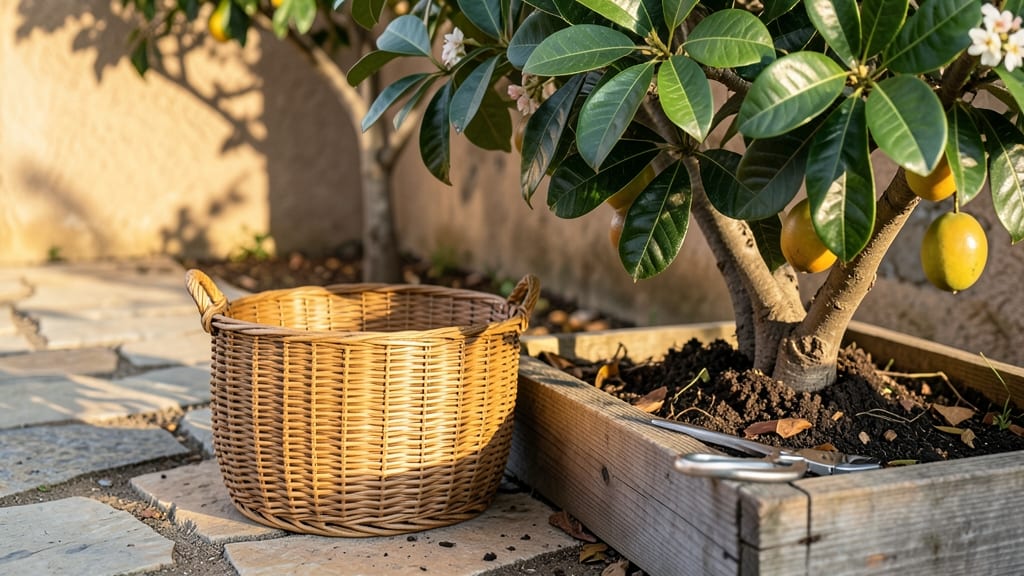
Guava fruit season isn’t just a time of year—it’s a year-round opportunity in the right climate. 🌿 I’ve grown guavas in both subtropical and tropical zones, and the difference in harvest timing is night and day.
Where I lived in Florida, we’d pick fruit every other month, while my friend in Hawaii could harvest weekly with minimal effort.
The secret lies in understanding your microclimate. Guavas thrive in warm, frost-free areas where temperatures stay above 50°F. In subtropical zones like Southern California or Texas, you’ll get two main harvest waves—spring and fall—while tropical climates can produce fruit continuously.
The key is matching your care routine to your region’s natural rhythms.
With the right approach, you’ll end up with trees heavy enough to bend branches under the weight of sweet, fragrant guavas. The fruit ripens from green to a creamy yellow, and the scent alone makes your garden irresistible. Even in cooler climates, container-growing can extend your season dramatically.
Once you master the basics, you’ll explore companion planting (like marigolds to deter pests) or post-harvest storage tricks to enjoy guavas fresh for months. The possibilities for maximizing your harvest are endless—let’s get started!
📚 In This Guide
- What you need
- Instructions
- Tips and common mistakes
- Wrapping up and next steps
What you need
- ● Guava Trees: Mature trees (3–5 years old) or young saplings (1–2 years old) for planting. Choose disease-resistant varieties like Psidium guajava.
- ● Soil: Well-draining, slightly acidic soil (pH 5.0–6.5). Mix in compost or organic matter for fertility.
- ● Fertilizer: Balanced NPK (10-10-10) – 1 lb per tree (young) or 2–3 lbs per tree (mature), applied every 6–8 weeks.
- ● Citrus/Micro Nutrient Mix – 1 tbsp per tree monthly for micronutrients like zinc and iron.
- ● Watering Supplies: Drip irrigation system or hose with a gentle spray nozzle (avoid overhead watering).
- ● Pruning Tools: Sharp bypass pruners (for small branches).
- ● Loppers (for thicker branches).
- ● Disinfectant (70% rubbing alcohol) to clean tools between cuts.
- ● Harvesting Tools: Gloves (to protect from thorns) and a sharp knife or harvesting shears.
- ● Mulch: Straw or wood chips (2–3 inches thick) to retain moisture and regulate soil temperature.
- ● Shade Cloth: 30–50% shade fabric for young trees in hot climates.
- ● Growth Regulators: Ethylene gas (e.g., ethephon) to accelerate ripening (follow label instructions!).
- ● Pest Control: Neem oil or insecticidal soap for aphids/mites (organic option).
- ● Storage Containers: Wooden crates or mesh bags for harvested fruit to allow airflow.
Instructions for year-round guava harvesting and ripening
Here's how to extend your guava harvest beyond the natural season—using simple techniques that keep fruit productive all year.
🌱 Step 1: Identify and Select Mature Fruit for Year-Round Ripening
Guavas ripen best when picked at the early mature stage—when they're firm but begin yielding slightly to gentle pressure. Look for fruit that's 70-80% of full size and has developed its characteristic color (though exact shade varies by variety). I always check the stem end for a slight softening, which signals the fruit is nearing peak ripeness indoors.
Harvest in the morning when temperatures are coolest to preserve freshness. Use clean, sharp pruning shears to avoid crushing the fruit. Place harvested guavas in a single layer in a paper bag—the ethylene gas they produce speeds up ripening. Store them at room temperature (around 70-75°F) until fully ripe.
☀️ Step 2: Control Light and Temperature for Extended Ripening
Guavas need indirect light to ripen properly—too much direct sun causes them to overheat and spoil. Place your ripening fruit in a bright, shaded spot like a covered patio or under a sheer curtain. If indoors, a north-facing window works best, as it provides gentle, diffused light without overheating.
Temperature control is critical—guavas ripen best between 68-77°F. If your home runs cooler, place the fruit near a warm spot (like above a refrigerator) but avoid heat sources that exceed 85°F, which can cause uneven ripening or spoilage. Check daily for softness—ripe guavas will give slightly when pressed near the stem.
💧 Step 3: Monitor Moisture and Prevent Over-Ripening
Guavas don’t need extra water once harvested, but humidity matters. If your home is dry (common in winter), mist the fruit lightly every 2-3 days with a spray bottle to maintain moisture without sogging the skin. Overwatering leads to mold—just a quick mist keeps the fruit fresh longer.
Watch for over-ripening signs: wrinkled skin, a fermented smell, or a mushy texture. Ripe guavas should smell sweet and fragrant, not sour or alcoholic. Once fully ripe, store them in the fridge for up to 5 days to slow further ripening—though they’re best eaten fresh within 24 hours of reaching peak ripeness.
⏰ Step 4: Adjust Harvesting Frequency for Year-Round Supply
To keep a steady supply, harvest every 7-10 days during peak season, then extend to every 2-3 weeks in off-seasons. Guava trees produce fruit in flushing cycles, so prune lightly after harvests to encourage new growth. I always remove overcrowded or damaged fruit—this redirects the tree’s energy to healthier, more productive branches.
In cooler months, protect your tree from frost by covering it with frost cloth or moving potted trees indoors near a sunny window. Even a brief cold snap can stunt ripening, so act fast if temperatures dip below 40°F. With consistent care, you’ll enjoy fresh guavas year-round, not just during the traditional harvest window.
Tips & tricks for extending your guava harvest
Real talk: Guava trees are generous, but getting them to produce consistently outside their natural season takes strategy. Here's what nobody tells you about keeping your harvest flowing year-round.
The Ripening Secret: That paper bag trick in Step 1 isn't just about ethylene gas—it's about creating a mini greenhouse effect. I learned this the hard way after losing three batches to uneven ripening. Place the bag in a spot where it gets just enough indirect light (like under a kitchen cabinet) and check daily. If the fruit starts developing condensation inside, open the bag for 30 minutes to prevent mold. The goal is to mimic the tropical conditions guavas love without overdoing it.
Temperature Troubleshooting: The 68-77°F range in Step 2 is your sweet spot, but here's the thing: most homes don't maintain perfect consistency. I keep a small digital thermometer near my ripening fruit to monitor fluctuations. If your kitchen runs cooler than 68°F, place the fruit on top of your refrigerator (not inside) where it'll benefit from gentle heat rise. For warmer climates, move the fruit to a shaded outdoor area during peak afternoon heat to prevent overheating above 85°F.
Harvesting Frequency Hack: The 7-10 day harvest window during peak season might seem tight, but it's crucial for maintaining tree health. I've found that harvesting at the same time each morning (right after sunrise) creates a rhythm the tree responds to. Mark your calendar and set a reminder—consistency is what turns seasonal harvests into year-round abundance. And when you extend to every 2-3 weeks in off-seasons, don't be tempted to harvest more frequently just because you see new fruit forming.
Frost Protection Pro Tip: When temperatures dip below 40°F, don't wait until the last minute to protect your tree. I've had frost cloth ready to deploy since late fall in colder climates. For potted trees, move them to an unheated garage or shed where temperatures stay above freezing. The key is to protect the roots first—they're more vulnerable than the foliage. A simple layer of straw mulch around the base can make all the difference in preventing root damage.
Pro Tips for Guava Fruit Season
- Real talk: Guava trees are generous, but getting them to produce consistently outside their natural season takes strategy.
- The Ripening Secret: That paper bag trick in Step 1 isn't just about ethylene gas—it's about creating a mini greenhouse effect.
- Temperature Troubleshooting: The 68-77°F range in Step 2 is your sweet spot, but here's the thing: most homes don't maintain perfect consistency.
Frequently asked questions
Got questions about the best times to enjoy guava fruit or how to make the most of its season?
Here are answers to the most common queries—because even the juiciest guavas need a little guidance!
When is guava fruit season, and how long does it last?
Guava fruit season varies by region, but peak harvests typically occur in late spring to early fall (May–September in the U.S. and year-round in tropical climates like Florida or Hawaii). In warmer zones, you might find ripe guavas year-round, while cooler areas enjoy a shorter, sweeter window. Check local orchards—they often post updates!
Can I eat guavas straight from the tree, or do they need to ripen further?
Guavas are best when fully ripe! If picked too early, they’ll firm up like an apple—let them soften at room temperature (2–3 days) for peak sweetness. A gentle squeeze (like testing a peach) and a fragrant aroma mean they’re ready. Pro tip: Never refrigerate unripe guavas—they won’t ripen properly!
What if my guava tree isn’t producing fruit? Troubleshooting tips?
Common culprits include lack of pollinators (hand-pollinate with a brush), over-fertilizing (too much nitrogen = leaves, not fruit), or poor sunlight (guavas need 6+ hours daily). Check for pests (like fruit flies) and ensure consistent watering—drought stress can halt blooms. Patience helps: young trees take 2–3 years to bear fruit!
Are there guava alternatives if they’re out of season?
For that tropical tang, try mangoes (summer), papayas (year-round in warm climates), or persimmons (fall). Need guava’s texture? Pears or plantains (when ripe) mimic the soft, seedy bite. For flavor, a splash of lime + honey in smoothies can bridge the gap until your next harvest!
How do I store guavas to extend their freshness?
| Ripe Guavas | Unripe Guavas |
|---|---|
| Store in the fridge (up to 5 days) in a paper bag to slow spoilage. | Keep at room temp until ripe (2–3 days), then refrigerate. |
| Freeze for 6 months by pureeing and adding lemon juice to prevent browning. | Avoid refrigeration—it halts ripening! |
Fun fact:
Guava seeds can be dried and roasted like coffee beans for a unique snack!
Wrapping up and next steps
As guava season unfolds—whether in peak harvest or year-round ripening—you now have the tools and timing to savor this tropical treasure. From nurturing your own trees to mastering the art of ripening, every step brings you closer to juicy, flavorful rewards. 🌱✨
Ready to dive deeper? Start small: Plant a single guava tree, experiment with a few ripening tricks, or share your harvest with neighbors. The guava fruit season is your canvas—paint it with patience, passion, and a pinch of creativity!