
Blooming
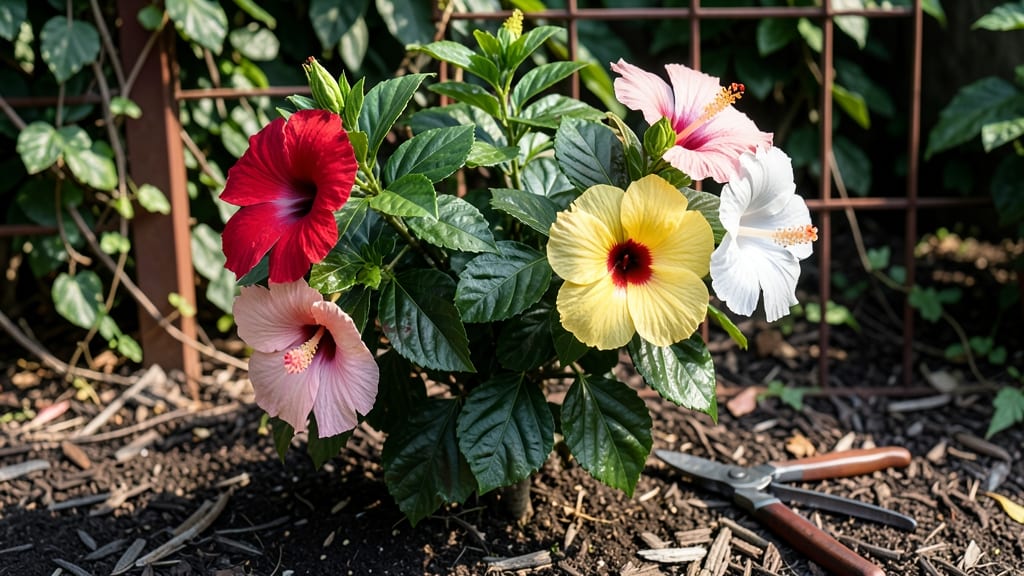
The hibiscus plant flowering season in Zones 8-11 turns your garden into a tropical paradise—if you know when and how to coax those bold blooms. 🌺 I’ve watched my hardy hibiscus burst into color from late spring through fall, while tropical varieties keep blooming year-round with the right care.
The difference comes down to variety, climate, and a few simple tricks.
Hardy hibiscus (like the classic Hibiscus moscheutos) typically bloom from June to October, with peak color in summer. Tropical hibiscus? They can flower year-round in warm climates, but they need consistent warmth, water, and a little extra attention to keep those petals popping.
Even in cooler zones, you can extend the season by protecting plants from frost and pruning strategically.
What you’ll get is a garden that feels like a vacation—vibrant reds, pinks, and whites that attract hummingbirds and make neighbors take notice. The key is understanding your plant’s needs: full sun, well-draining soil, and regular feeding.
Prune after blooms fade to encourage new growth, and watch your hibiscus reward you with nonstop color for months.
Whether you’re in Florida or Southern California, these tips work. For hardy varieties, focus on late-winter pruning; for tropicals, keep them warm and hydrated. A little effort now means a showstopping display that lasts all season—and maybe even longer.
📚 In This Guide
- What you need
- Instructions
- Tips and common mistakes
- Wrapping up and next steps
What you need
- ● Hibiscus plant(s) – Choose Hibiscus rosa-sinensis (tropical hibiscus) or Hibiscus syriacus (hardy hibiscus), depending on your zone. Start with 1-3 mature plants (3-5 ft tall) for optimal blooming.
- ● Well-draining potting mix – 3-5 gallons per plant (for containers) or amend garden soil with compost (50%) and perlite/vermiculite (20%) for in-ground planting.
- ● Balanced fertilizer (10-10-10 or 20-20-20) – 1-2 lbs per plant (spring/fall) or a slow-release granular for steady nutrients.
- ● Watering can or hose with a gentle spray nozzle – Hibiscus loves 1-2 inches of water weekly (daily in extreme heat).
- ● Pruning shears – Sharp, sterilized (disinfect with rubbing alcohol between cuts).
- ● Mulch (wood chips or straw) – 2-3 inches around the base to retain moisture and regulate soil temp.
- ● pH test kit – Aim for 6.0-6.5 (hibiscus thrives in slightly acidic soil). Adjust with lime (to raise pH) or sulfur (to lower pH) if needed.
- ● Epsom salt (magnesium sulfate) – 1 tbsp per gallon of water monthly for a yellowing-leaf boost.
- ● Shade cloth (30-50%) – For Zones 8-9 during scorching afternoons (hibiscus can scorch in full sun).
- ● Flower food or bloom booster – Phosphorus-rich (like 5-10-10) to encourage flowers.
- ● Container with drainage holes – If planting in pots, choose 15-20 gallon for mature plants.
- ● Gloves & knee pads – Because every gardener deserves comfort!
How to time hibiscus blooms in Zones 8-11
Here's how I track seasonal cues to predict—and extend—your hibiscus's peak flowering window.
🌱 Step 1: Identify Your Zone’s Natural Bloom Window
Hibiscus in Zones 8-11 typically bloom from late spring through fall, but exact timing varies by variety. Tropical hibiscus (Hibiscus rosa-sinensis) usually kick off in May-June and continue until first frost, while hardy hibiscus (Hibiscus moscheutos) often start in June-July and peak in August-September. I check my local frost dates to mark the end of the natural season—this helps me plan for overwintering or forcing early blooms.
Watch for new leaf flush in spring—that’s your first signal. I’ve found that hibiscus in Zone 10 often bloom earlier (March-April) because they escape winter stress entirely. If your plant sits dormant through winter, wait for first green shoot emergence before expecting flowers.
☀️ Step 2: Adjust Light and Temperature for Peak Performance
Hibiscus need full sun (6-8 hours daily) to set buds, but evening warmth triggers blooming. In Zone 8, I move potted plants to a south-facing patio by mid-May to capture afternoon sun. For container-grown plants, a heat lamp (set to 75-85°F) during cool nights in early spring can jumpstart bud formation.
Watch for buds forming at leaf nodes—this means your plant is responding to light. If buds drop before opening, your plant is either too cold at night or underwatered. I’ve learned hibiscus in Zone 11 often need afternoon shade in peak summer to protect buds from heat stress.
💧 Step 3: Water and Feed for Continuous Blooms
Consistent moisture is key—hibiscus hate fluctuating soil conditions. I water deeply every 2-3 days during bloom season, ensuring the top 4 inches of soil stay damp but not soggy. Overhead watering can cause bud rot, so I use a soaker hose at the base. In Zone 9, I reduce watering slightly in late summer to encourage dormancy if I’m prepping for winter.
Feed with a balanced 10-10-10 fertilizer every 4-6 weeks during active growth. I switch to a high-phosphorus (5-10-5) formula when buds appear to boost flowering. Yellowing leaves? That’s usually over-fertilizing—flush the soil with water immediately.
✂️ Step 4: Prune Strategically to Extend the Season
Prune after the last frost in Zone 8 or early spring in Zones 9-11 to encourage new growth. Cut back 1/3 of the plant’s height, focusing on woody stems—this redirects energy to fresh shoots. I always prune just above a leaf node to promote branching. For tropical hibiscus, a light trim after each bloom cycle keeps them bushy and flowering longer.
Deadhead spent blooms weekly to prevent seed formation, which drains energy. I’ve found that hibiscus in Zone 10 often bloom nonstop if I remove faded flowers consistently. Avoid heavy pruning in late summer—it can delay fall blooms.
⏰ Step 5: Plan for Seasonal Transitions
In Zones 8-9, first frost signals the end of the natural season. I move potted hibiscus indoors to a bright, cool (55-65°F) spot and reduce watering. For Zone 10-11 plants, shorten daylight in late fall by covering with frost cloth for 2-3 weeks to simulate dormancy—this often triggers a second bloom cycle in winter.
Watch for leaf drop—this is your cue to adjust care. Mulch heavily in Zone 8 before winter to protect roots. In Zone 11, I leave hibiscus outdoors year-round but reduce fertilizer to let them rest naturally.
Tips & tricks for extending hibiscus bloom seasons
Real talk: Timing hibiscus blooms isn't just about waiting for spring—it's about reading your plant like a seasoned gardener. These insights will help you push those vibrant flowers into every possible month.
Zone-Specific Light Adjustments: In Zone 8, where mornings can still be chilly, I've found that placing hibiscus near a south-facing window or patio during May-June gives them that extra warmth boost they need to set buds. For Zone 11 plants that struggle with afternoon heat, try moving them to partial shade after 12 PM—this prevents bud drop. I use a simple shade cloth if needed, and it's made all the difference in keeping those blooms coming through summer.
Heat Lamp Hack for Early Blooms: If you're eager to see flowers before the natural window opens, a 75-85°F heat lamp during cool Zone 8 evenings can work wonders. I've used these in early spring to jumpstart bud formation, especially for container-grown plants. Just remember to position it so it only warms the plant—not the entire room—and turn it off during the day to maintain natural light cycles.
Watering Precision: The 2-3 day watering schedule works best when you check the soil depth. I always stick my finger 4 inches deep—that's where hibiscus roots really thrive. If it feels dry, water deeply; if it's still damp, wait another day. Overhead watering is a no-no—it causes bud rot. I've ruined more hibiscus blooms through careless watering than through any other mistake, so this is non-negotiable.
Frost Date Tracking: Your local frost dates are your best friend for planning. I mark these on my calendar and use them to determine when to start overwintering preparations. For Zone 8-9 plants, this means moving them indoors before the first frost, while Zone 10-11 plants can often stay outdoors longer. Pro tip: Use a frost clock app to get precise dates for your exact location—it's saved me from losing plants to unexpected early frosts.
Pro Tips for Hibiscus Plant Flowering Season
- Real talk: Timing hibiscus blooms isn't just about waiting for spring—it's about reading your plant like a seasoned gardener.
- For Zone 11 plants that struggle with afternoon heat, try moving them to partial shade after 12 PM—this prevents bud drop.
- Heat Lamp Hack for Early Blooms: If you're eager to see flowers before the natural window opens, a 75-85°F heat lamp during cool Zone 8 evenings can work wonders.
Frequently asked questions
Got questions about your hibiscus plant’s flowering season?
Here are answers to the most common ones—whether you're troubleshooting delays, planning for blooms, or just curious about care!
When is the best time to plant hibiscus for maximum flowers?
Plant hibiscus in early spring (after the last frost) in Zones 8-11 for optimal blooming. In warmer climates (Zones 9-11), you can plant year-round, but avoid extreme heat. Mulch around the base to retain moisture and encourage root growth, which supports vibrant flowers later in the season.
Why isn’t my hibiscus flowering this year?
Common culprits include over-fertilizing with high nitrogen (promotes leaves, not blooms), insufficient sunlight (6+ hours of direct light is key), or stress from drought/overwatering. Try pruning in late winter to encourage new growth and switch to a low-nitrogen, high-phosphorus fertilizer (like 5-10-10) to boost blooms.
Can hibiscus bloom year-round in warm climates?
In Zones 9-11, hibiscus can flower year-round with ideal conditions: full sun, consistent moisture, and balanced fertilizer. However, blooms may slow in peak summer heat (above 90°F) or winter (below 50°F). Prune lightly after winter to stimulate new growth and deadhead spent blooms to encourage continuous flowering.
What’s the difference between tropical and hardy hibiscus flowering seasons?
| Tropical Hibiscus (e.g., Hibiscus rosa-sinensis) | Hardy Hibiscus (e.g., Hibiscus moscheutos) |
|---|---|
| Blooms spring through fall in Zones 9-11; may rest in winter. | Peak blooms summer to early fall (Zones 5-9); some varieties rebloom lightly in spring. |
| Needs protection from frost (Zone 10+ year-round). | Cold-hardy to Zone 5; dies back in winter but regrows in spring. |
Pro Tip: How to extend hibiscus blooming season?
- Deadhead regularly to remove spent flowers and redirect energy to new blooms.
- Use slow-release fertilizer (like osmocote) in spring to avoid nitrogen spikes.
- Mulch with organic matter (like compost) to retain moisture and cool roots.
- In hot climates, provide afternoon shade to prevent stress.
Wrapping up and next steps
Watching your hibiscus plant burst into vibrant blooms is a rewarding experience, and with the right timing and care, you can enjoy its stunning flowers for years to come! 🌸 Whether you’re in Zone 8-11, remember that patience and attentive care—like pruning, fertilizing, and protecting from pests—are key to maximizing its flowering potential.
Now that you’re armed with a peak bloom calendar and expert tips, why not take the next step? Plant a hibiscus today and transform your garden into a tropical paradise!