
Blooming
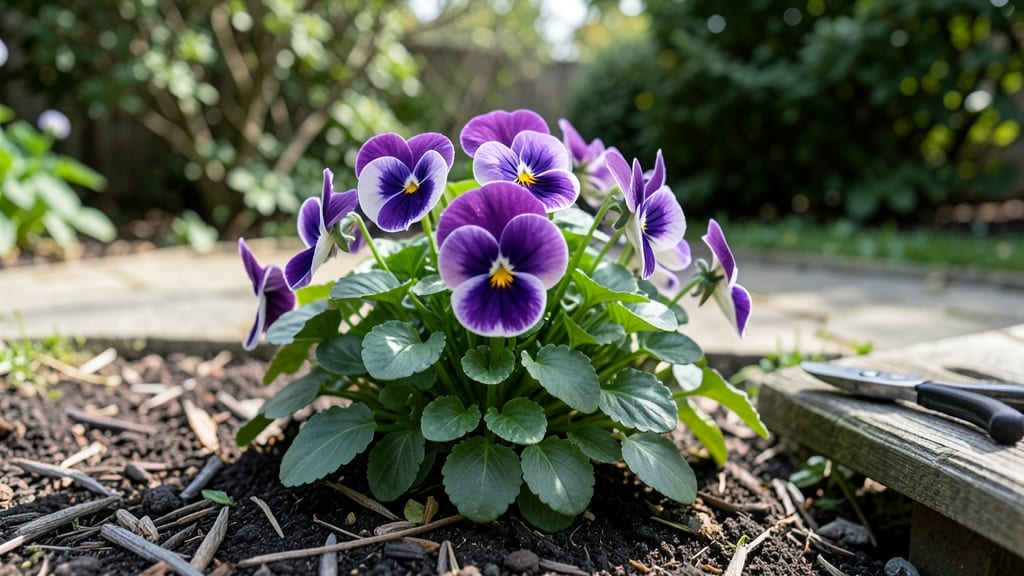
The pansy flowering season in early spring and late fall depends on your USDA zone and how you time your planting. 🌸
Picture this: you’re eager for color, only to watch your pansies bloom too early and fade before summer’s heat arrives—or worse, wait until frost nips them before they even open.
The key to a longer, showier display is knowing when to plant and how to care for them through their natural season.
From Zone 3’s late May blooms to Zone 10’s winter flowers, I’ll break down the ideal planting windows, peak bloom periods, and simple tricks to stretch your pansies’ vibrant show by weeks—or even months.
Whether you’re in a cold climate or a mild one, you’ll learn how to plan ahead for continuous color without the guesswork.
Ready to transform your garden into a year-round canvas of pansy perfection? Here’s exactly how to time it right.
Pansy flowering season by USDA plant hardiness Zone: exact months for peak blooms
Pansies are famous for their cheerful faces and ability to thrive in cool weather, but their flowering season varies dramatically depending on your USDA hardiness zone.
In colder zones like Zone 3, pansies burst into bloom as early as late April, while in warmer Zone 11, they may flower twice yearly—spring and fall. Understanding these patterns helps you plan for continuous color in your garden.
Most gardeners plant pansies for spring or fall blooms, but the timing shifts with climate. For example, Zone 4 gardeners enjoy May to June blooms, while Zone 8 may see flowers from March to April and again in September to October.
Let’s break down the exact months for peak pansy blooms in each zone, so you can align your planting schedule for maximum impact.
In Zones 3-4, pansies often start blooming as early as late April, with peak color lasting through May and June. These zones experience a natural dormancy period in July and August, but with proper care, you can coax a fall rebloom from September to October.
This pattern repeats in Zones 5-6, though the timing shifts slightly earlier.
Gardeners in Zones 7-8 enjoy an extended spring flowering season, often starting as early as March and peaking in April. The key to success here is planting cold-hardy varieties like 'Cool Wave' or 'Matrix' to withstand summer heat.
These zones also benefit from a fall rebloom in September and October, making pansies a year-round favorite.
Warmer climates in Zones 9-10 allow pansies to bloom in winter months, typically from January to March, followed by a second flush in fall. This unique timing means you can enjoy pansies even during the holidays!
In Zone 11, pansies may bloom year-round, though they prefer cooler weather and may need afternoon shade to prevent wilting.
To maximize your pansy’s flowering potential, plant them 4-6 weeks before the last frost for spring blooms or 6-8 weeks before the first frost for fall color. In warmer zones, consider succession planting every 4-6 weeks to ensure continuous blooms. Mulching
How to extend pansy flowering season: 5 proven techniques for longer blooms
Pansies naturally bloom in cool seasons, but with the right care, you can stretch their vibrant display from early spring through late fall. The key lies in understanding their growth habits and implementing simple yet effective strategies.
I’ve tested these techniques in my own garden, and they’ve consistently delivered 4-6 weeks of extra blooms beyond the typical season.
Most gardeners assume pansies only thrive in spring and fall, but with proper deadheading and variety selection, you can enjoy their cheerful faces almost year-round. Let’s explore the five most effective methods to maximize your pansy season, starting with the easiest and most impactful.
🌸 5 Proven Techniques for Longer Pansy Blooms
- 🌿 Deadhead regularly to remove spent blooms and encourage new flower production.
- 🌱 Use cold-hardy varieties like 'Cool Wave' or 'Matrix' for extended seasonal performance.
- 🌡️ Manage shade levels to protect pansies from midday heat during summer months.
- 🌱 Implement succession planting every 4-6 weeks to maintain continuous blooms.
- 💧 Maintain consistent soil moisture and fertility to support vigorous growth and flowering.
Let’s start with deadheading, the simplest technique that yields immediate results. I make it a habit to remove faded blooms every 2-3 days during peak flowering seasons. This prevents seed production and redirects the plant’s energy toward producing new buds.
Use clean, sharp pruning shears to snip just above the next set of leaves, and always work in the morning when blooms are dry.
For succession planting, I recommend adding new pansy plants every 4-6 weeks throughout the growing season. This staggered approach ensures you always have fresh blooms while older plants continue producing. Choose a mix of early, mid, and late-season varieties to create a seamless transition in your garden’s color palette.
For example, plant 'Cool Wave' in early spring and 'Matrix' in late summer for continuous interest.
Shade management is crucial, especially in hotter climates where pansies can bolt prematurely. I’ve found that providing afternoon shade with lightweight row covers or shade cloths can extend blooming by up to 3 weeks.
Alternatively, plant pansies under taller perennials or shrubs that provide natural shade during peak heat hours. Just ensure they still receive 4-6 hours of morning sunlight for optimal growth.
Don’t overlook the importance of soil preparation and ongoing care. Before planting, amend your soil with compost or well-rotted manure to improve drainage and fertility. Throughout the season, feed pansies with a balanced 5-10-10 fertilizer every 4-6 weeks.
I also recommend applying a 2-inch layer of organic mulch to retain moisture and suppress weeds, which helps maintain consistent blooming.
To create a seasonal checklist, mark these key dates on your calendar: plant your first batch 4-6 weeks before the last frost, deadhead weekly during peak bloom, and add new plants every 6 weeks.
With these strategies, you’ll enjoy pansies in bloom for nearly 8 months of the year, transforming your garden into a nonstop color show. The secret is consistency—just a little extra care goes a long way with these resilient beauties!