
Blooming
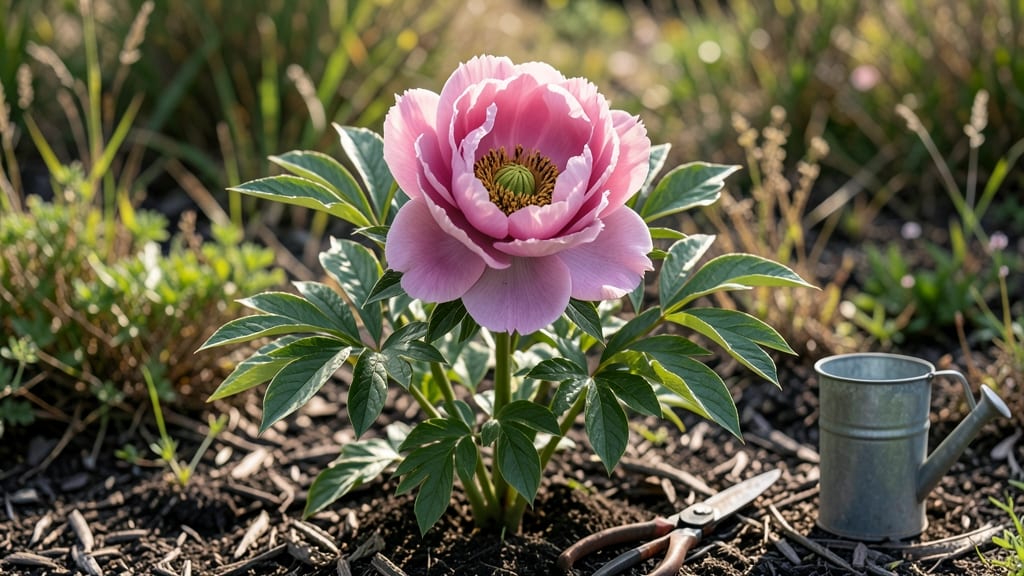
The peony flower blooming season unfolds like a velvety masterpiece 🌸, but timing it right means the difference between a garden showstopper and a missed opportunity.
If you’ve ever dreamed of a garden bursting with velvety blooms, timing is everything—peony flowers demand precision to ensure their showstopping display. But when exactly do they bloom, and how does your USDA zone affect their schedule?
In USDA Zone 6a, where I garden, peonies typically burst into color between late April and early June, but cooler zones like 3-5 can see blooms as early as April, while warmer zones (7-9) may wait until May or June.
Below, I’ll break down the exact months for peak blooms by zone, the secrets to extending their display, and how to choose varieties that flower early, mid-season, or late for a garden that stays stunning all summer.
Peony flower blooming season by USDA zone: exact months for maximum blooms
Peonies are the crown jewels of spring gardens, but their bloom timing varies dramatically depending on your USDA zone. In colder zones like Zone 3, expect early blooms in late May, while warmer Zone 9 gardens may see flowers as late as June.
Understanding these patterns helps you choose varieties and plan your garden layout for a prolonged display of velvety petals.
Climate plays a crucial role in peony blooming schedules. Cooler northern zones often experience earlier blooms because peonies need a period of winter chilling to trigger flowering. Meanwhile, southern zones with milder winters may see delayed or staggered blooms.
By selecting the right varieties for your zone, you can create a garden that bursts into color for weeks instead of just a few days.
Here’s how to match your USDA zone with the ideal bloom window for herbaceous and tree peonies, along with tips to extend their display:
In USDA Zones 3-4, peonies typically bloom from late May to early June, with early varieties like 'Sarah Bernhardt' leading the charge. These northern gardens benefit from a longer winter chill period, which primes peonies for robust spring blooms.
To maximize display, plant 3-5 varieties with staggered bloom times—this ensures your garden stays vibrant for 3-4 weeks.
Gardeners in Zones 5-6 enjoy a broader bloom window from mid-May to late June, thanks to milder winters. Here, tree peonies often outperform herbaceous types, offering larger blooms and extended flowering.
Pair 'Karl Rosenfield' (yellow) with 'Duchesse de Nemours' (pink) for a two-tone spectacle. In these zones, ensure your peonies receive 6+ hours of sunlight daily to prevent leggy growth.
Warmer climates in Zones 7-8 shift peony blooms to April through early June, with some varieties like 'Alice Harding' pushing flowers as early as March. However, heat can shorten bloom duration, so provide afternoon shade during peak summer months.
Consider mulching with straw to retain soil moisture and cool roots. Tree peonies thrive here, offering longer-lasting blooms than their herbaceous cousins.
For Zone 9 gardeners, peonies bloom from March to May, often overlapping with other spring flowers like tulips. The challenge here is avoiding heat stress—plant peonies in partial shade and water deeply once weekly.
Varieties like 'Coral Charm' perform exceptionally well, delivering bold coral blooms that stand out against the backdrop of other spring colors.
To adjust planting for optimal results, consider these zone-specific tips:
- Zones 3-4: Plant in full sun with winter mulch to protect roots.
- Zones 5-6: Space plants 3 feet apart for airflow and disease prevention.
- Zones 7-8: Use drip irrigation to avoid fungal issues from overhead watering.
- Zone 9: Choose heat
How to extend your peony blooming season with smart gardening tips
Peonies are nature’s showstoppers, but their blooming season can feel disappointingly short. With the right gardening strategies, you can stretch those lush blooms from a few weeks to nearly two months. The secret lies in understanding their needs and giving them the perfect growing conditions.
First, focus on soil preparation—peonies thrive in well-draining, slightly acidic soil with a pH of 6.0 to 7.0. Amending your soil with compost or aged manure before planting sets the stage for robust growth and longer blooms.
I’ve found that adding a high-phosphorus fertilizer in early fall also encourages stronger root development, which directly impacts bloom duration.
Peonies demand full sun exposure—at least 6 to 8 hours daily—to produce their best blooms. If your garden is shady, consider planting them near a south-facing wall or in a raised bed where sunlight can reach them more easily.
Even partial shade can shorten their blooming window, so prioritize placement carefully.
Here’s how to maximize your peony blooms with proven techniques:
- 1
- 2
- 3
- 4
Another pro tip: Prune wisely. Never cut back peony foliage until it turns brown in late fall. The leaves photosynthesize and feed the roots, ensuring next year’s blooms will be even more vibrant.
I’ve seen gardens where impatient pruners miss out on 30% longer blooming seasons simply by leaving foliage intact.
With these strategies, your peonies can transform from a fleeting spring highlight to a season-long garden star. The key is consistency—good soil, smart sunlight management, and patient care. Your garden will thank you with bold, velvety blooms that keep coming back for weeks.
🌸