
Container Gardens
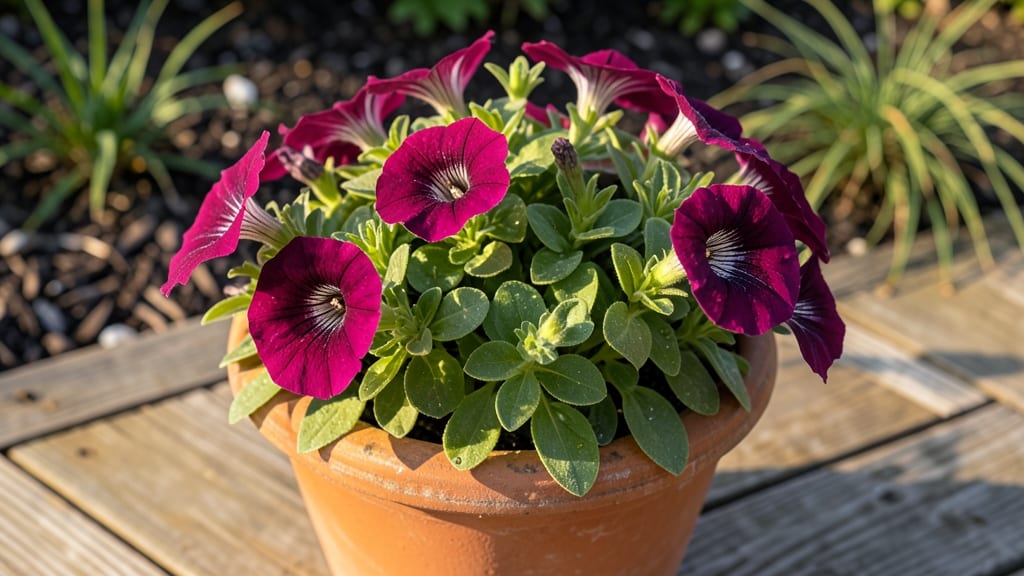
Your petunia growing season starts the moment frost recedes and lasts until the first hard freeze—about 120 days of vibrant color if timed right. 🌸 I’ve learned that planting too early risks cold snaps, while waiting too long means missed blooms by summer’s end.
The key is matching your region’s last frost date to petunias’ love of warm soil and long daylight hours. Most gardeners treat petunias as annuals, but in frost-free zones like Southern California, they’ll happily return year after year if given consistent care.
In colder climates, treat them as summer’s fleeting stars—plant after all danger of frost has passed, usually by mid-May in most zones. Seedlings need 6-8 weeks of warmth before transplanting outdoors, so start them indoors or buy sturdy transplants from nurseries.
Once planted, petunias reward you with nonstop blooms if you deadhead spent flowers weekly and keep soil consistently moist. They thrive in containers too, making them perfect for balconies or window boxes where space is limited. The fragrance alone—especially in varieties like ‘Mitchell Diploid’—makes the effort worthwhile.
Here’s the secret: petunias perform best in full sun to partial shade, with afternoon shade in hot climates preventing wilting. Mulch helps retain moisture, and a balanced fertilizer every 2-3 weeks keeps them flowering until frost.
In colder areas, dig up tubers in fall and store them indoors for next season’s comeback.
📚 In This Guide
- What you need
- Instructions
- Tips and common mistakes
- Wrapping up and next steps
What you need
- ● Petunia seeds or seedlings: Choose disease-resistant varieties like 'Wave,' 'Supertunia,' or 'Mitchell' for container gardens. Seedlings are ideal for quick blooms (2–4 plants per 12-inch container).
- ● Well-draining potting mix: A high-quality blend (e.g., Miracle-Gro Potting Mix) with perlite or vermiculite (1 bag per 2–3 containers).
- ● Containers: Minimum 12-inch diameter (deeper for trailing varieties like 'Black Velvet').
- ● Drainage holes required (add a layer of pebbles or broken pottery if repurposing non-drainage containers).
- ● Slow-release fertilizer: 10–20 lb. nitrogen-phosphorus-potassium (NPK) blend (e.g., Osmocote Smart-Release; 1 tbsp per container at planting).
- ● Watering can or hose with gentle spray nozzle: Petunias hate soggy roots—aim for 1 inch of water weekly (adjust for heat).
- ● Pruning shears: Sharp, clean shears (sterilize with rubbing alcohol) for deadheading and shaping.
- ● Epsom salt: 1 tbsp dissolved in water monthly for magnesium boost (prevents yellowing).
- ● Mulch (e.g., shredded bark): Retains moisture and regulates soil temp (apply 1-inch layer after planting).
- ● Cage or trellis: For trailing varieties (e.g., 'Tidal Wave'), use a lightweight metal or plastic support.
- ● pH test kit: Ideal soil pH: 6.0–7.0 (amend with lime or sulfur if needed).
- ● Garden gloves: Protect your hands from thorns (some petunia varieties have mild ones!).
Step-by-step instructions for growing petunias through the season
Here's the method that keeps petunias flowering until frost—no deadheading drama or leggy stems.
🌱 Step 1: Start Seeds Indoors or Choose Healthy Transplants
If sowing seeds, plant them 6-8 weeks before your last frost date in 70-75°F soil. I use seed-starting mix in small cells and cover lightly with 1/8 inch of soil. Keep the tray covered with plastic until germination, which takes 7-14 days—expect uneven sprouting since petunia seeds vary in size.
For faster results, buy transplants with 3-4 true leaves and sturdy stems. Avoid plants with yellow leaves or flower buds—they'll waste energy blooming instead of establishing roots. Harden off seedlings for 7-10 days by gradually increasing outdoor time before transplanting.
☀️ Step 2: Plant in Well-Draining Soil with Full Sun
Petunias thrive in 6+ hours of direct sun daily, but they'll tolerate 4 hours in hot climates. Amend garden soil with 2-3 inches of compost to improve drainage—petunias rot quickly in soggy soil. Space plants 10-12 inches apart for bush types or 18-24 inches for trailing varieties.
Dig holes twice as wide as the root ball to encourage outward root growth. Plant at the same depth as the container, then water deeply to settle soil around roots. Mulch with 1-2 inches of shredded bark to retain moisture and suppress weeds—just keep mulch 2 inches away from stems to prevent rot.
💧 Step 3: Water Consistently and Fertilize Weekly
Water at the base in the morning to avoid fungal diseases. Let the top 1-2 inches of soil dry between waterings—petunias hate soggy feet but won't survive drought either. You'll know you're nailing it when leaves stay crisp and stems remain upright.
Feed every 2 weeks with a balanced 10-10-10 fertilizer or use a slow-release granular at planting time. For extra blooms, switch to a 5-10-10 formula after flowers appear—this boosts phosphorus for root and bloom development. Stop fertilizing 4-6 weeks before frost to harden plants for winter.
✂️ Step 4: Deadhead Regularly and Prune for Bushiness
Pinch off spent blooms daily with your fingers or snips—this prevents seed formation and redirects energy to new flowers. I do this first thing in the morning when blooms are still damp, making them easier to remove. For trailing varieties, trim leggy stems back by 1/3 to encourage fuller growth.
If plants look tired by mid-season, give them a light haircut by cutting back all stems to 4-6 inches tall. They'll bounce back with fresh growth and often produce a second flush of blooms before frost. Just avoid heavy pruning after mid-August—new growth won't harden off in time.
⏰ Step 5: Extend the Season with Frost Protection
When nighttime temps drop below 50°F, move potted petunias to a sheltered spot or bring them indoors near a bright window. For in-ground plants, cover with frost cloth when temps dip to 32°F—remove during the day to let sunlight through.
Petunias are annuals, but you can save seeds from your best blooms. Let a few flowers fade completely on the plant, then collect the dried seed pods. Store in a cool, dry place until next spring. I've had some varieties come back true to form for 3-4 years this way—though expect some variation in colors.
Tips & tricks for perfect petunia care through the season
These gardening secrets will help you coax vibrant blooms from planting through frost—no wilting or leggy stems in sight.
Seed Starting Strategy: For even germination, place your seed trays under grow lights set to 14-16 hours of light daily once sprouts appear. Natural light alone often causes uneven growth. I use a simple LED bulb on a timer—it's cheaper than dedicated grow lights and works perfectly for petunias. The key is maintaining that 70-75°F soil temperature consistently during germination.
Soil Science: Petunias despise soggy soil, so mix in 20-30% perlite or coarse sand with your compost-amended garden soil to improve drainage. I like to create raised beds for my petunias—this prevents water pooling around roots and gives me better control over soil quality. Just make sure your containers have drainage holes if growing in pots.
Fertilizer Timing: The switch to 5-10-10 fertilizer after flowers appear is crucial for continuous blooming. I apply mine right after my morning watering—this gives the roots time to absorb nutrients before the heat of the day. For container plants, I use half-strength fertilizer to prevent salt buildup, which can actually burn roots over time.
Pruning Precision: When giving that mid-season haircut, cut just above a leaf node (the bump where leaves grow) rather than at random points. This encourages new growth from established buds rather than creating bare stems. I always sterilize my pruners with rubbing alcohol between cuts to prevent spreading disease from plant to plant.
Pro Tips for Petunia Growing Season
- These gardening secrets will help you coax vibrant blooms from planting through frost—no wilting or leggy stems in sight.
- Seed Starting Strategy: For even germination, place your seed trays under grow lights set to 14-16 hours of light daily once sprouts appear.
- Soil Science: Petunias despise soggy soil, so mix in 20-30% perlite or coarse sand with your compost-amended garden soil to improve drainage.
Frequently asked questions
Got questions about growing petunias? You’re not alone! Here are answers to the most common queries about timing, care, and troubleshooting to help your petunias thrive all season long.
When is the best time to plant petunias?
Petunias thrive in warm weather, so plant them after the last frost in spring—typically 2-3 weeks after your area’s average last frost date. For container gardens, they also do well as summer transplants (June-July) if you’re in a cooler climate. Pro tip: Harden off seedlings for 7-10 days before planting to avoid shock!
Can petunias survive winter?
Most petunias are annuals and won’t survive frost. However, some perennial varieties (like Petunia axillaris) may return in mild winters with mulch protection. In colder zones, treat them as annuals and replant each spring. Alternative: Save seeds or take cuttings before frost!
Why aren’t my petunias blooming?
Petunias need full sun (6+ hours/day) and regular deadheading to encourage more flowers. Overcrowding, poor soil, or lack of fertilizer (high in phosphorus) can also stunt blooms. Fix it: Prune leggy stems, feed with balanced 10-10-10 fertilizer, and ensure well-draining soil.
How often should I water petunias?
Water petunias daily in hot weather (or every other day in containers) to keep soil consistently moist but not soggy. Morning watering prevents fungal issues like powdery mildew. Test: Stick your finger 1 inch into the soil—if it’s dry, it’s time to water!
Are petunias deer-resistant?
Unfortunately, no! Petunias are highly attractive to deer, rabbits, and even slugs. Protect them with physical barriers (like chicken wire) or use organic repellents (e.g., garlic spray). Alternative: Plant deer-resistant companions like marigolds or lavender nearby to deter pests.
Can I grow petunias from seed?
Yes! Start seeds 6-8 weeks before your last frost indoors under grow lights. Use sterile seed-starting mix and keep soil warm (70°F). Seedlings are slow-growing—expect blooms 8-10 weeks after planting. Tip: Buy transplants for faster, easier results if you’re short on time!
Wrapping up and next steps
Growing petunias is a rewarding journey that brings vibrant color and fragrance to your space—whether in containers or garden beds! 🌸 With the right timing, soil, and care, you’ll enjoy months of stunning blooms from spring through frost.
Remember, deadheading and consistent watering are your secret weapons for a thriving petunia patch.
Now that you’re armed with expert tips, it’s time to roll up your sleeves and get planting! Start with healthy seedlings, choose the perfect spot, and watch your garden transform into a fragrant paradise. Happy gardening—your blooms are waiting! 🌱