
Planting
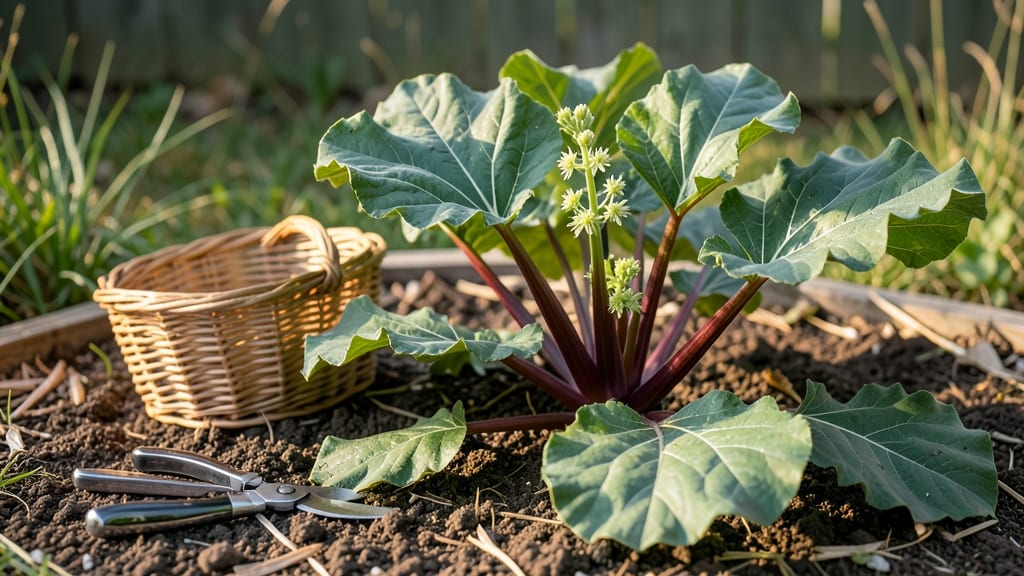
Michigan's rhubarb season arrives earlier than you'd expect—late May to early June—when the tart stalks pop through crisp spring soil like green fireworks. 🌱 I still remember the first time I pulled a stalk from my own patch, its vibrant pink core glistening under the morning sun, knowing it would make pies that tasted like childhood summers.
The secret to getting there? Planting in early spring and protecting young crowns from late frosts, which can delay harvest by weeks.
Most Michigan gardeners see their first harvest 6-8 weeks after soil temperatures hit 50°F, but that timeline shifts with the weather. In colder northern regions like the UP, expect stalks to appear 2-3 weeks later than in southern Michigan.
The key is patience—rhubarb plants reward consistent care with years of harvests, but rushing to pull stalks too early stunts their growth. I learned that the hard way when my first pie turned out bland because the stalks weren't fully mature.
By mid-July, your rhubarb patch should be producing 2-3 pounds of stalks per plant weekly, and with proper care, you can extend the season until frost. The trick is watering deeply during dry spells and cutting stalks at the base—never the leaves—to keep the plant energized.
My neighbors swear by covering plants with straw mulch in early fall to protect them through winter, and I’ve seen their plants thrive year after year.
For Michigan gardeners, local resources like the Michigan State University Extension and regional gardening clubs offer tips tailored to your zone. Whether you're growing in Detroit’s urban gardens or a rural farm in the Thumb, rhubarb’s tart-sweet flavor is worth the wait—and the effort. Here’s to your first perfect harvest!
📚 In This Guide
- What you need
- Instructions
- Tips and common mistakes
- Wrapping up and next steps
What you need
- ● Fresh rhubarb stalks: 2–5 lbs (fresh from a Michigan farm or your garden—look for vibrant red or green stalks with crisp, firm texture).
- ● Cutting tool: A sharp chef’s knife or kitchen shears (for trimming leaves and stalks).
- ○ Colander or sink: For rinsing and draining rhubarb (optional but recommended for dirt/debris).
- ● Measuring tools: Kitchen scale or measuring cups (if following a recipe).
- ● Storage container: Airtight bag or glass jar (to keep rhubarb fresh for up to 1 week in the fridge).
- ● Recipe inspiration: A trusted rhubarb pie, compote, or cocktail recipe (Michigan’s tart rhubarb pairs amazingly with strawberries!).
- ● Gloves: If handling wild rhubarb or thorny stalks (some varieties can be prickly!).
- ● Freezer bags: For long-term storage (rhubarb freezes well for up to 6 months).
- ● Local farm map: A list of Michigan rhubarb farms in peak season (May–July).
How to time your rhubarb harvest in Michigan for peak tartness
Michigan’s cool climate makes rhubarb one of the first edible harvests of spring—here’s how to know when and how to pick it.
🌱 Step 1: Identify Mature Stems for Harvest
Wait until late April or early May when nighttime temperatures stay above 35°F, as frost damages tender stalks. Look for stalks that are at least 10-12 inches tall and ½-inch thick—these are mature enough to harvest. The ideal stem has a deep red or green hue and feels firm when gently squeezed.
Never pull stalks from the ground—always grasp the base and twist gently to avoid damaging the crown. You’ll see a small bump where the stalk meets the plant; that’s where you want to twist. If the stalk snaps cleanly, it’s ready. If it resists, wait another week.
☀️ Step 2: Harvest in Morning Sun for Best Flavor
Pick rhubarb on cool, cloudy mornings after dew has dried but before the sun intensifies. Stalks harvested in direct afternoon sun wilt faster and lose tartness. Cut or twist off only the bottom third of the stalk, leaving the top two-thirds to regrow for next year’s harvest.
Leave at least 3-4 stalks per plant to ensure regrowth. If you harvest more than this, you’ll weaken the plant and reduce next season’s yield. I always mark harvested stalks with a small piece of twine to track what’s been picked.
💧 Step 3: Store Freshly Harvested Rhubarb Properly
Rinse stalks briefly under cool water to remove dirt, then pat dry with a clean towel. Store in the crisper drawer of your fridge wrapped loosely in a damp paper towel—this keeps them crisp for up to 2 weeks. For longer storage, trim stalks and freeze them whole in a sealed bag for up to 6 months.
Never store rhubarb with apples or other ethylene-producing fruits, as they speed up spoilage. You’ll know it’s gone bad when stalks turn slimy or develop mold—discard these immediately. Freshly harvested rhubarb should hold its vibrant color and crisp texture for weeks if stored correctly.
⏰ Step 4: Time Your Final Harvest Before Dormancy
Stop harvesting by mid-June to let the plant recover for next year. If you continue past this, the stalks become woody and less tender. After your final harvest, cut back any remaining stalks to 2 inches above the ground and mulch with 2-3 inches of straw to protect the crown over winter.
I always make a note of the last harvest date in my garden journal—this helps me predict next year’s timeline. In Michigan’s climate, rhubarb plants often produce for 10-15 years if given proper care, so timing is everything for long-term success.
Tips & tricks for perfect rhubarb harvesting in Michigan
Here's what nobody tells you about making the most of Michigan's rhubarb season—these tricks will keep your plants thriving for years.
Temperature Matters: The 35°F nighttime minimum is non-negotiable for tender stalks. I've learned the hard way that even light frost can ruin a harvest—watch your local weather forecasts and protect plants with frost cloth if temperatures dip. In particularly cold springs, you might need to wait until early May rather than late April.
Visual Cues for Readiness: When checking stalk maturity in Step 1, look for three key signs: deep color (red or green), firmness when squeezed, and that clean snap at the base. If stalks feel rubbery or resist twisting, they're not ready yet. I always test 2-3 stalks before committing to a full harvest—this prevents over-picking and plant stress.
Regrowth Strategy: Leaving 3-4 stalks per plant as instructed isn't just about next year's harvest—it's about plant health. I've seen gardeners harvest aggressively and end up with weak plants that produce fewer stalks the following season. Mark harvested stalks with twine to visually track what's been picked and what remains for regrowth.
Storage Wisdom: That damp paper towel in the crisper drawer isn't just for freshness—it maintains the perfect humidity level to prevent wilting. For freezing, I always trim stalks first (remove leaves and any stringy bits) because they take up less space and thaw faster when you're ready to use them in recipes. The 6-month freezer life is accurate, but I've found stalks stay best for 4-5 months before texture degrades.
Pro Tips for Rhubarb Season Michigan
- Here's what nobody tells you about making the most of Michigan's rhubarb season—these tricks will keep your plants thriving for years.
- Temperature Matters: The 35°F nighttime minimum is non-negotiable for tender stalks.
- Visual Cues for Readiness: When checking stalk maturity in Step 1, look for three key signs: deep color (red or green), firmness when squeezed, and that clean snap at the base.
Frequently asked questions
Got questions about Michigan’s rhubarb season? You’re not alone! Here are some of the most common queries—plus quick answers to help you make the most of this tart, tangy treasure.
When is the best time to pick rhubarb in Michigan?
Michigan’s rhubarb season typically runs from late April to June, with peak harvests in May. Cooler spring nights and warmer days create the perfect balance for sweet-tart stalks. Check with local farms—they often post updates on their social media or websites!
Where can I buy fresh rhubarb in Michigan?
Your best bets are farmers' markets, roadside stands, and local U-pick farms. Popular spots include the Michigan Farmers Market in Detroit or Wurtsboro Farms in Berrien County. Grocery stores may carry it in May, but farm-fresh is fresher—and often cheaper!
What’s the best way to use Michigan rhubarb?
Skip the cooking—raw rhubarb is toxic! Classic uses include rhubarb pie, compotes, or chutneys. For a quick win, simmer chopped stalks with sugar and vanilla for a 5-minute jam. Pro tip: Pair it with strawberries to balance the tartness!
Why is my rhubarb turning mushy or slimy?
Overripe or improper storage causes this! Harvest stalks when they’re firm and bright red, and store them in the fridge (unwashed) for up to 5 days. If stored in water, change it daily to prevent bacterial growth. Never eat leaves—they’re poisonous!
Can I grow rhubarb in Michigan’s climate?
Rhubarb thrives in Michigan’s zones 3–6 with full sun to partial shade. Plant crowns in well-draining soil in early spring, and mulch to protect roots in winter. Be patient—it takes 2–3 years to produce, but it’s a perennial, so you’ll enjoy it for decades!
Wrapping up and next steps
Michigan’s rhubarb season is a true gem for gardeners and foodies alike—packed with tart, vibrant flavors that shine in pies, compotes, and savory dishes. Whether you’re growing your own or sourcing from local farms, these prime months (May through July) are your golden ticket to fresh, homegrown goodness. 🌱
Now that you’re armed with tips on planting, harvesting, and storage, it’s time to get hands-on! Start by marking your calendar for Michigan’s peak harvest, then head to a nearby farm or dig into your garden for the perfect tart treat.
Happy cooking—and enjoy the sweet-tart magic of rhubarb season! 🍓🍽️