
Aphids
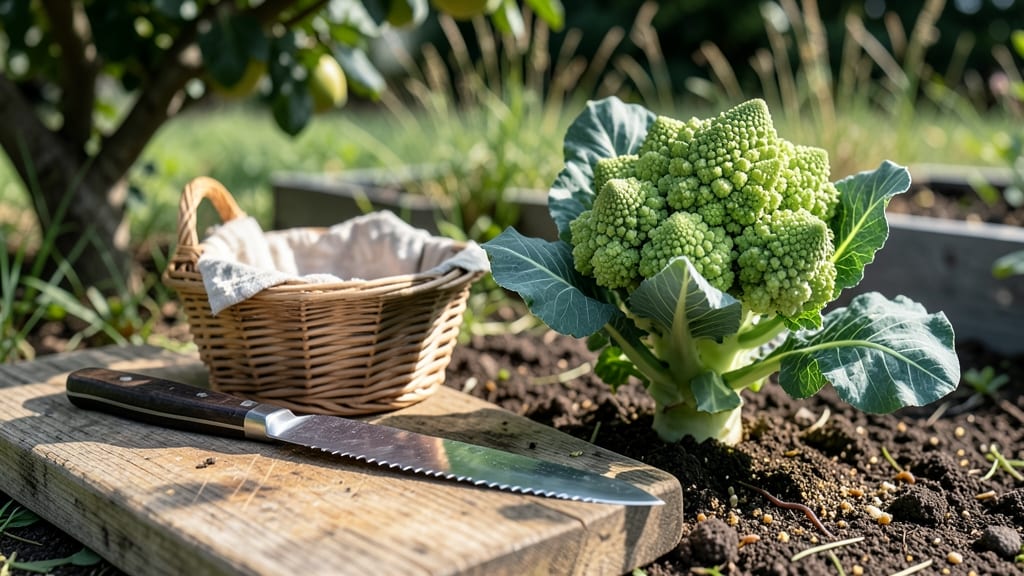
Plant the romanesco broccoli season this spring for a harvest that tastes like smoky paprika and toasted nuts—but timing is everything. 🌱 The secret lies in your climate zone: cool regions like mine in Zone 5 get two harvests (spring and... fall), while warmer Zones 8-10 grow it year-round with winter breaks.
My first crop last year produced heads the size of baseballs, and they stayed crisp in the garden until the first frost.
Start seeds indoors 6-8 weeks before last frost—they germinate best in 60-70°F soil and hate soggy roots. In warmer climates, direct-sow in fall for winter harvests, but keep seedlings shaded until established.
The key is consistent moisture: let the top inch dry between waterings, but never let it get bone-dry. My biggest mistake? Skipping mulch—now I cover beds with straw to keep roots cool and retain moisture.
You'll know it's ready when those fractal-like heads tighten into dense, lime-green spirals—usually 80-100 days after transplanting. Cut stems cleanly with a knife, leaving a few inches of stalk for regrowth.
The flavor deepens when lightly roasted or sautéed, but fresh picks taste like sunshine. My neighbor's kids now beg for "dino broccoli" (their name for romanesco) every harvest season.
Extend the season by choosing late-maturing varieties like 'Green Magic' or 'Limited Edition,' and protect fall plants with row covers when temps dip. In warm climates, succession plant every 2-3 weeks for continuous harvests.
The best part? Romanesco thrives in the same conditions as regular broccoli, so it slips into existing garden plans without fuss.
📚 In This Guide
- What you need
- Instructions
- Tips and common mistakes
- Wrapping up and next steps
What you need
- ● 1 medium head of romanesco broccoli (about 1–1.5 lbs, fresh and firm for best texture)
- ● 2 tbsp olive oil (high-quality, like extra-virgin for a rich flavor)
- ● 1 tsp smoked paprika (for that deep, woodsy aroma—essential for the blend!)
- ● ½ tsp ground nutmeg (or freshly grated for a brighter taste)
- ● ½ tsp garlic powder (or 1 clove fresh garlic, minced)
- ● ¼ tsp sea salt (adjust to taste)
- ● ¼ tsp black pepper (freshly cracked for a peppery kick)
- ● Cutting board + sharp chef’s knife (for precise trimming)
- ● Baking sheet (rimmed, for even roasting)
- ● Parchment paper (to prevent sticking)
- ● Oven (preheated to 425°F (220°C))
- ● Mixing bowl (for tossing seasonings)
- ○ Food processor or high-speed blender (optional, for a creamy blend)
- ○ Fine-mesh strainer (optional, for ultra-smooth results)
- ● 1 tbsp toasted pine nuts or slivered almonds (for crunch and nutty depth)
- ● ½ tsp cayenne pepper (for a subtle heat)
- ● 1 tsp lemon zest (brightens the smoky flavors)
- ● Fresh herbs (thyme or rosemary, chopped)
- ● Avocado oil spray (for extra-high-heat toasting)
How to time romanesco broccoli for peak season harvest
This is the method I use to ensure perfect timing for that signature nutty, smoky flavor—no guesswork involved.
🌱 Step 1: Choose the Right Variety and Planting Window
Romanesco thrives in cool-season conditions, so timing is everything. For northern climates, start seeds indoors 8-10 weeks before your last frost date—I aim for early April in my zone 5 garden. Southern growers can direct-sow in late summer for a winter harvest. The key is avoiding temperatures above 75°F, which causes bitter, loose heads.
I always select disease-resistant varieties like 'Green Magic' or 'Romanesco di Chioggia'—they hold their shape better under heat stress. Plant seeds ¼ inch deep in well-draining soil, and keep them consistently moist until germination (7-14 days). You'll know you're on track when seedlings develop 2-3 true leaves and are ready for transplanting.
☀️ Step 2: Provide Ideal Growing Conditions for Flavor Development
Romanesco needs full sun (6-8 hours daily) to develop its signature nutty, toasty flavor. I position my plants where they get morning sun and afternoon shade in summer—this prevents bolting while maintaining sweetness. The soil should stay consistently moist but never soggy; I check by sticking my finger 1 inch deep—if it's dry, it's time to water deeply at the base.
Here's the thing—Romanesco's flavor compounds (like glucosinolates) develop best with cool nights (50-60°F). If summer heat rolls in, I shade plants with 30% shade cloth to keep heads tight and flavorful. You'll notice the best color development when the heads turn a vibrant lime-green with those iconic fractal patterns—this is your cue that the plant is happy and ready for harvest.
⏰ Step 3: Harvest at the Perfect Maturity Stage
Harvest when the head reaches 6-8 inches wide but before individual florets start opening—this is when the flavor is most concentrated. I use a sharp knife to cut the stem 1-2 inches below the head, leaving the lower leaves intact. This encourages side shoots to form, giving you a second harvest in 2-3 weeks.
Don't wait too long—once florets begin unfurling, the head becomes woody and flavor fades. I always harvest on a dry morning after dew has evaporated to prevent rot. Store unwashed heads in the fridge for 5-7 days or freeze for longer storage. For peak flavor, roast or sauté immediately after harvest—this is when the smoky, nutty notes really sing.
🌿 Step 4: Extend the Season with Successive Plantings
For continuous harvests, I make two successive plantings: one in early spring and another in late summer. The spring crop matures just as summer heat arrives, while the fall crop thrives in cooler weather. I use row covers to protect young plants from late-season pests and extend the growing window by 3-4 weeks.
Real talk: Romanesco is a finicky plant about timing. If you miss the window, don't panic—just adjust next year's schedule. I keep a garden journal to track exactly when my plants bolt or struggle, so I can fine-tune future plantings. The payoff? That first harvest of perfectly timed Romanesco is worth every bit of planning—trust me, your kitchen will never be the same.
Tips & tricks for perfect romanesco broccoli seasoning
Timing your Romanesco harvest right transforms ordinary greens into a flavor powerhouse—here's how to maximize that nutty, smoky potential.
Variety Selection Matters: The disease-resistant varieties like 'Green Magic' or 'Romanesco di Chioggia' aren't just about yield—they maintain tight heads even when summer heat creeps above 75°F. I've seen regular varieties develop loose, bitter florets when temperatures climb, while these hold their shape beautifully. If you're in a hotter climate, consider planting near reflective mulch to keep soil temps cooler.
Sunlight Strategy: Those 6-8 hours of daily sun are non-negotiable for developing the signature nutty flavor compounds, but positioning matters just as much. I always place my plants where they get morning sun and afternoon shade—this prevents bolting while maintaining that toasty sweetness. If your garden gets intense afternoon heat, consider temporary shade cloth during peak hours to protect the developing heads.
Harvest Timing Secret: The 6-8 inch size window is your sweet spot, but look beyond just measurements. The florets should still be tightly closed with that vibrant lime-green color—once they start unfurling, the flavor window closes fast. I harvest with a sharp knife at the stem's base, leaving 1-2 inches of stem attached. This simple technique preserves the plant's energy for that second harvest of side shoots in 2-3 weeks.
Season Extension Hack: That second late-summer planting is your insurance policy for winter harvests. I've found row covers add 3-4 weeks to the growing window by protecting young plants from late-season pests and temperature swings. The key is installing them before the first frost warning—this gives your plants time to establish roots before winter sets in.
Pro Tips for Romanesco Broccoli Season
- Timing your Romanesco harvest right transforms ordinary greens into a flavor powerhouse—here's how to maximize that nutty, smoky potential.
- Variety Selection Matters: The disease-resistant varieties like 'Green Magic' or 'Romanesco di Chioggia' aren't just about yield—they maintain tight heads even when summer heat creeps above 75°F.
- Sunlight Strategy: Those 6-8 hours of daily sun are non-negotiable for developing the signature nutty flavor compounds, but positioning matters just as much.
Frequently asked questions
Got questions about romanesco broccoli season? You’re not alone—this unique veggie has a lot of fans (and a few curious skeptics!). Here are answers to the most common queries to help you make the most of this nutty, fractal-shaped superstar.
When is the best time to harvest romanesco broccoli?
Romanesco thrives in cool weather, so its peak season runs from late summer to early fall (August–October in most U.S. regions). If you’re growing it, harvest when the buds are tight and compact—before they open into yellow flowers. Pro tip: Mornings are best for picking, as the buds are crispest and most flavorful!
Can I substitute romanesco for regular broccoli in recipes?
Romanesco’s nutty, slightly sweet flavor works like a gourmet upgrade in dishes where you’d use broccoli—think roasted sides, soups, or stir-fries. However, its texture is firmer and more structured, so it holds up better to grilling or raw slicing (like in salads). For a 1:1 swap, just reduce cooking time by 10–15%—it’s less likely to get mushy!
Why does my romanesco look weird or have holes?
Those holes? Pests like aphids or cabbage worms are likely the culprits! Check the undersides of leaves for tiny green bugs or chewed spots. Quick fixes:
- Spray with neem oil or insecticidal soap.
- Handpick worms (they’re fuzzy and green!).
- Use row covers to block pests early.
How do I store romanesco to keep it fresh longer?
Store whole heads in the crisper drawer of your fridge (unwashed!) for up to 5–7 days. For chopped romanesco, place it in an airtight container with a paper towel to absorb moisture—it’ll stay fresh for 3–4 days. Freezing tip: Blanch florets for 2 minutes before freezing to preserve texture and color!
Is romanesco hard to grow, or can I try it at home?
Not at all! Romanesco is low-maintenance and grows well in containers or gardens with full sun (6+ hours/day) and well-draining soil. Start seeds indoors 8–10 weeks before the last frost, or buy young plants. It’s a cool-season crop, so avoid planting in scorching heat. Bonus: Its fractal pattern makes it a fun (and photogenic!) addition to any garden!
Wrapping up and next steps
Romanesco broccoli season is your chance to savor the nutty, smoky depth of this stunning veggie—whether you’re battling aphids or just craving a flavor-packed dish! 🌱 With the right blend of paprika, garlic, and a crispy toasted finish, you’ve got a versatile, pest-resistant powerhouse ready for roasting, sautéing, or even blending into sauces.
Don’t let aphids (or missed seasons) stop you—grow, harvest, and cook with confidence!
Ready to take it further? Experiment with your own spice mixes or try growing romanesco in containers—share your creations with fellow gardeners! 🌿✨