
Flowers
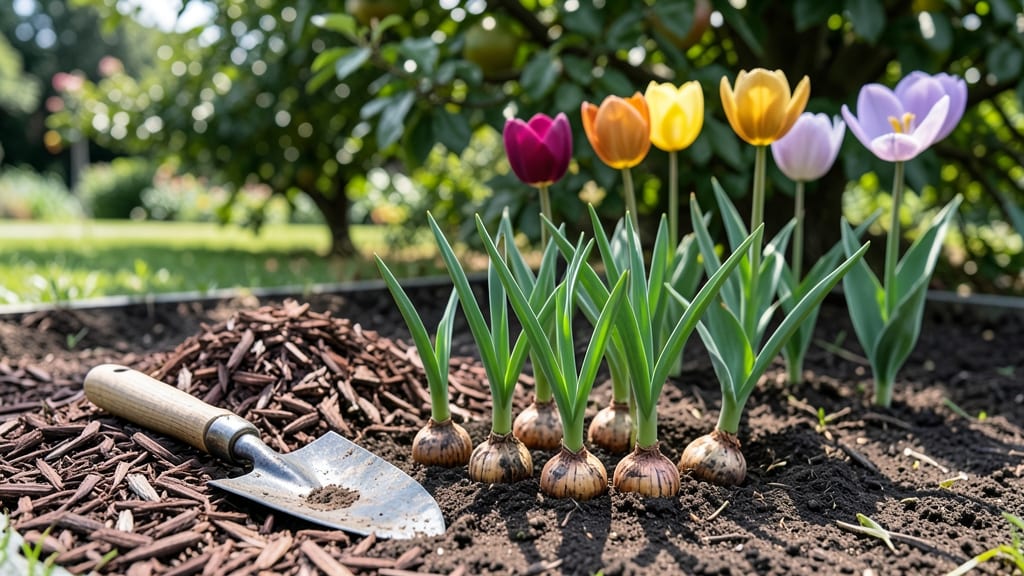
Precision timing turns your garden into a nonstop floral masterpiece. 🌸 Seasonal flower planting isn't just about sticking seeds in the ground—it's about matching each bloom to its perfect moment when soil, light, and weather align for maximum impact.
My first year, I planted everything at once and ended up with a summer explosion followed by dead zones. Now I schedule blooms like a pro, with colors shifting smoothly from spring's pastels to fall's fiery hues.
The secret weapon is a simple planting calendar tailored to your zone. Annuals like marigolds and zinnias get their start in late spring after frost danger passes, while perennials such as coneflowers and black-eyed Susans thrive when planted in early fall for deep root establishment.
Bulbs? They need that winter chill to wake up in spring—plant them in late fall for next year's showstopper blooms. Even in winter, you can add evergreen shrubs or winter pansies for color breaks.
What you end up with is a garden that never looks bare. Imagine walking outside in June to find peonies bursting alongside your just-planted sunflowers, or October evenings glowing with chrysanthemums while your asters still hold court.
The maintenance stays light because each plant gets exactly what it needs when it needs it—no guesswork, no wasted effort. Your neighbors will be asking for your secret while you're out there snipping fresh bouquets.
This works for any yard size, from city balconies to country acres. The only requirement is tracking your last frost dates and adjusting for your microclimate—maybe that shady corner stays cooler longer, or your south-facing bed heats up faster.
I'll show you how to create that perfect bloom sequence step by step, with plant pairings that make your garden look like it was designed by a pro (even if you're just getting started).
📚 In This Guide
- What you need
- Instructions
- Tips and common mistakes
- Wrapping up and next steps
What you need
- ● Seasonal flower seeds or bulbs: Choose varieties suited to your climate (e.g., tulips for spring, marigolds for summer, pansies for fall). Aim for 50–100 plants per season for a full garden display.
- ● High-quality potting soil: 1–2 cubic yards (or 10–20 bags) depending on garden size. Opt for well-draining, organic-rich soil.
- ● Garden gloves: A pair to protect your hands from thorns and soil.
- ● Hand trowel or transplanting spade: For precise planting and minimal root disturbance.
- ● Watering can or hose with adjustable nozzle: A 1-gallon capacity can works for small gardens; larger spaces may need a hose.
- ○ Mulch (optional but recommended): 2–3 bags of shredded bark or straw to retain moisture and suppress weeds.
- ● Soil pH tester: Ensures your soil is optimal for your chosen flowers (most prefer 6.0–7.0).
- ● Organic fertilizer: 1–2 bags of compost or slow-release granules for nutrient boosts.
- ● Garden kneeler or stool: For comfort during long planting sessions.
- ● Plant markers: Labels to track varieties and planting dates.
- ● Pruners: For trimming dead blooms and shaping plants.
How to plan a year-round flower garden with precision timing
Here's the method I rely on to keep blooms going strong from spring through frost.
🌱 Step 1: Map Your Seasonal Planting Zones
Start by dividing your garden into four seasonal zones based on your climate's last frost date and first frost date. Zone 1 is for cool-season flowers like pansies and snapdragons that thrive in 50-60°F soil. Zone 2 handles spring bloomers like tulips and daffodils that need to be planted 6-8 weeks before last frost.
Zone 3 is for summer favorites like marigolds and zinnias that need 60-70°F soil and full sun. Zone 4 is for late-season bloomers like chrysanthemums and asters that go in 4-6 weeks before first frost. I always mark these zones on a sketch of my garden to visualize the flow of color.
☀️ Step 2: Time Plantings for Continuous Bloom
Stagger your plantings by 2-3 weeks between each zone to ensure you always have flowers in bloom. For example, if your last frost is April 15, plant Zone 1 flowers (pansies, violas) on March 1, Zone 2 (tulips, hyacinths) on February 15, Zone 3 (zinnias, sunflowers) on May 1, and Zone 4 (mums, asters) on July 15.
This timing ensures that as one group finishes blooming, another is just starting. I keep a planting calendar with these dates so I don't miss any deadlines. Real talk: missing a planting window can leave you with a color gap that's hard to fill.
💧 Step 3: Prepare Soil for Each Season's Needs
Cool-season flowers need well-draining soil with plenty of organic matter to hold moisture during cooler months. Amend your Zone 1 and 2 areas with 3-4 inches of compost and a balanced fertilizer like 10-10-10. For summer bloomers in Zones 3 and 4, focus on improving drainage with sand or perlite if your soil is heavy.
I like to add a slow-release fertilizer when planting summer flowers to give them a steady nutrient supply. The key here is to match soil prep to the plant's needs—cool-season flowers need moisture retention, while summer flowers often need better drainage to prevent root rot.
✂️ Step 4: Maintain with Seasonal Care
Deadhead spent blooms regularly to encourage more flowers, but adjust your approach by season. In spring and fall, I remove faded blooms more aggressively to redirect energy into new growth. In summer, I often leave some seed heads for texture and winter interest, but I remove them once they're fully browned.
Watering needs shift too—cool-season flowers often need less frequent watering, while summer bloomers may need daily water in extreme heat. I check soil moisture by sticking my finger 1 inch deep; if it feels dry, it's time to water. This simple check prevents underwatering or overwatering both of which stress plants.
🌿 Step 5: Plan for Year-Round Interest
Include evergreen foliage plants like ornamental grasses, heuchera, and boxwood to provide structure and color when flowers aren't blooming. These plants bridge the gaps between seasonal bloomers and keep your garden looking vibrant year-round. I also add winter interest with dried seed heads and berry-producing shrubs like holly or cotoneaster.
Don't forget to mulch! A 2-3 inch layer of mulch helps regulate soil temperature, retain moisture, and suppress weeds. In spring, I use a lighter mulch like straw, while in summer I switch to wood chips to keep roots cool. This small adjustment makes a big difference in plant health and bloom quality.
Tips & tricks for perfect seasonal flower planting
These practical strategies will help you avoid common pitfalls and create a vibrant garden that blooms continuously.
Zone Visualization: Sketch your garden layout before planting to map out each seasonal zone. I use colored pencils to mark Zone 1 (cool-season) in blue, Zone 2 (spring) in pink, Zone 3 (summer) in yellow, and Zone 4 (fall) in orange. This color-coding helps me visualize the bloom progression throughout the year and prevents planting conflicts.
Soil Temperature Check: Use a soil thermometer to verify temperatures match each zone's requirements. For Zone 1 (50-60°F) and Zone 3 (60-70°F), test soil temperature at planting time. I've learned the hard way that planting too early when soil is still cold can stunt growth—wait until temperatures stabilize in each zone before planting.
Planting Calendar Hack: Create a simple planting calendar using free online tools or a physical planner. Mark your last frost date and work backward for Zones 1 and 2, then forward for Zones 3 and 4. I set phone reminders for each planting window to ensure I never miss a deadline. This system has prevented me from having color gaps in my garden for years.
Seasonal Mulch Strategy: Adjust your mulch type based on the season. In spring, use straw to protect emerging plants and retain moisture. Switch to wood chips in summer to keep roots cool during heatwaves. I always apply a fresh 2-3 inch layer before each season begins to maintain optimal soil conditions.
Pro Tips for Seasonal Flower Planting
- These practical strategies will help you avoid common pitfalls and create a vibrant garden that blooms continuously.
- Zone Visualization: Sketch your garden layout before planting to map out each seasonal zone.
- Soil Temperature Check: Use a soil thermometer to verify temperatures match each zone's requirements.
Frequently asked questions
Got questions about keeping your garden blooming all year? Here are some of the most common ones—and their solutions!
When is the best time to plant seasonal flowers?
The ideal timing depends on your climate and flower type. Cool-season flowers (like pansies or snapdragons) thrive when planted in early spring or fall, while warm-season blooms (such as zinnias or marigolds) should go in after the last frost. Check your local frost dates for precision!
Can I plant flowers year-round?
Not every flower loves all seasons! Some, like bulbs (tulips, daffodils), need cold dormancy and should be planted in fall. Others, like impatiens, prefer summer warmth. Plan ahead: research your flowers’ hardiness zones and planting windows for a seamless rotation.
What if my flowers don’t bloom as expected?
Several factors can stall blooms: over-fertilizing with nitrogen (promotes leaves, not flowers), poor sunlight, or crowding. Try deadheading spent blooms, ensuring 6+ hours of sun daily, and switching to a low-nitrogen, high-phosphorus fertilizer to encourage flowering.
Are there low-maintenance seasonal flowers?
Opt for self-seeding annuals like cosmos or sweet alyssum, or perennials such as coneflowers or black-eyed Susans. These thrive with minimal fuss—just water occasionally and enjoy the show! Mulch around bases to retain moisture and deter weeds.
How do I extend the blooming season?
Layer flowers with different bloom times (e.g., early spring crocuses + late-summer asters) or use season extenders like cold frames or cloches. For containers, swap out spent flowers every 6–8 weeks with new varieties for a continuous color parade!
Wrapping up and next steps
Seasonal flower planting is all about strategic timing—balancing blooms with nature’s rhythm to create a vibrant, year-round garden. 🌸 By choosing the right flowers for each season and preparing your soil and space, you’ll enjoy a continuous parade of color and life.
Whether you’re a beginner or a seasoned gardener, every small step—like testing soil pH or planning succession plantings—adds up to big rewards.
Now that you’re armed with the blueprint, it’s time to roll up those sleeves! Start with one season’s worth of flowers—maybe spring’s tulips or summer’s sunflowers—and watch your garden transform. Happy planting! 🌱