
Orchid Care
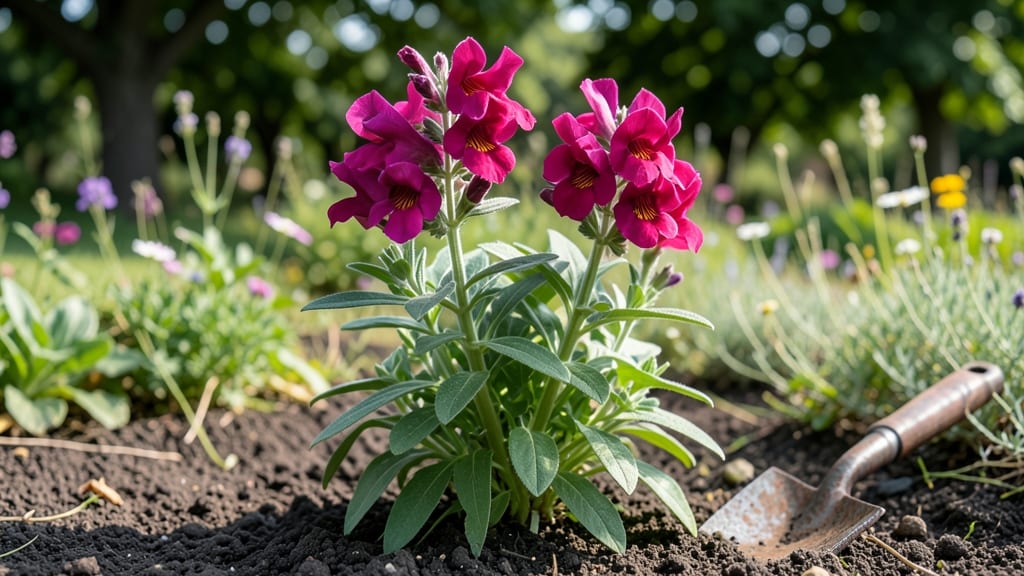
Timing is everything during the snapdragons season, and planting them in early spring or late summer gives them the perfect head start—cool weather and long daylight hours make all the difference for those fragrant pink pom-poms. 🌸 I’ve learned the hard way that summer heat causes them to bolt before blooming, so timing is everything for lush, long-lasting flowers that thrive in containers.
Most gardeners start seeds indoors 6-8 weeks before the last frost, but if you’re in warmer zones (like Southern California), you can direct-sow in fall for winter blooms.
The key is keeping soil consistently moist but not soggy—snapdragons hate wet feet, and a well-draining potting mix with compost ensures they stay sturdy and fragrant.
Once they’re planted, deadhead spent blooms regularly to encourage nonstop blooms until frost. In containers, they’ll reward you with 3-4 inches of fragrant spikes all season, and their upright habit makes them perfect for small spaces or window boxes.
For colder climates, bring containers indoors before 25°F nights—they’ll keep blooming on a sunny windowsill. In mild winters, mulch around outdoor pots to protect roots, and you might even get a second flush of blooms in spring.
📚 In This Guide
- What you need
- Instructions
- Tips and common mistakes
- Wrapping up and next steps
What you need
- ● Snap Dragon Seeds: Choose heirloom or hybrid varieties (e.g., 'Rocket,' 'Tom Thumb,' or 'Liberty'). Start with 10–20 seeds per container for a vibrant display.
- ● Containers: Well-draining pots 6–12 inches deep with drainage holes. 3–5 plants per container works best for compact varieties.
- ● Potting Mix: A lightweight, well-draining blend (e.g., 60% peat/coir, 30% perlite, 10% compost). Avoid heavy garden soil!
- ● Slow-Release Fertilizer: A balanced 10-10-10 or 5-10-5 granular fertilizer mixed into the soil at planting.
- ● Watering Can or Spray Bottle: For gentle hydration—avoid soaking!
- ○ Plant Labels: Mark varieties if growing multiple types (optional but helpful!).
- ● Grow Lights: If starting indoors, use LED grow lights (12–16 hours/day) until seedlings are hardened off.
- ● Epsom Salt: A pinch (½ tsp per gallon of water) monthly boosts magnesium for vibrant blooms.
- ● Stakes or Trellis: Tall varieties (like 'Rocket') may need light support as they grow.
- ● Mulch: Straw or shredded bark to retain moisture and suppress weeds.
Instructions for cultivating fragrant snapdragons in containers
Here's how I grow these charming pink blooms—lush, fragrant, and perfect for containers—using my foolproof seasonal approach.
🌱 Step 1: Select the Right Containers and Soil Mix
Snapdragons thrive in well-draining containers with 6-8 inches of depth per plant. I use terracotta pots for their breathability—these prevent root rot better than plastic. Fill each with a mix of 50% premium potting soil and 50% perlite or coarse sand to ensure aeration. The goal is a light, fluffy medium that holds moisture without suffocating roots.
Before planting, moisten the mix until it feels like a damp sponge—squeeze a handful and see water bead up, but not drip. This prevents seedling shock later. I always add a slow-release fertilizer (like 5-10-5) to the soil mix to give those early roots a nutrient boost without burning tender foliage.
🌿 Step 2: Plant Seeds at the Correct Depth and Spacing
Snapdragons are finicky about planting depth—sow seeds just 1/8 inch deep and no deeper, or they’ll struggle to emerge. I use a toothpick to make tiny holes in the soil, place 2-3 seeds per spot (they germinate unevenly), then cover with a whisper of fine sand. This keeps them from washing away when watered.
Space seeds 12-18 inches apart in larger containers—crowding leads to leggy stems and weak blooms. If using small pots (4-6 inches), plant just one seed per container. After sowing, mist the surface with a spray bottle until the soil looks uniformly damp, not soggy. A clear plastic dome or plastic wrap keeps humidity high until germination.
☀️ Step 3: Provide Ideal Light and Temperature for Germination
Snapdragons germinate best in 65-75°F soil, so I place containers on a seedling heat mat if my home runs cooler. Without warmth, germination can stall for weeks. Once seeds sprout (usually 7-14 days), remove the dome immediately—condensation invites damping-off, a fungal disease that collapses seedlings overnight.
Move pots to a bright spot with 12-14 hours of indirect light daily. A south-facing window works, but supplement with a grow light if stems stretch toward the glass (a sign of insufficient light). You’ll know light is perfect when seedlings grow 2-3 inches tall with dark green leaves and sturdy stems.
💧 Step 4: Water and Fertilize for Bushy Growth
Water snapdragons at the soil level, avoiding leaves to prevent mildew. Let the top 1 inch of soil dry between waterings—overwatering causes yellowing leaves and root rot. I use a moisture meter to check; if it reads dry, it’s time to water. Once plants reach 4-6 inches tall, switch to a balanced liquid fertilizer (like 10-10-10) every 2-3 weeks to encourage blooms.
Pinch back the tips of young plants when they’re 6-8 inches tall to encourage bushier growth. This might seem counterintuitive, but it prevents leggy stems and triggers multiple flower stems. You’ll see new side shoots emerge within 10-14 days—that’s your reward for the pinch!
✂️ Step 5: Deadhead and Maintain for Continuous Blooms
Snapdragons reward deadheading—snip spent blooms just above the next set of leaves to redirect energy into new flowers. I use clean scissors and make cuts at a 45-degree angle to reduce water pooling. This keeps plants blooming for 6-8 weeks or longer in ideal conditions.
Rotate containers a quarter turn weekly so all sides get even sun exposure. If grown in containers, fertilize lightly every 4-6 weeks with a phosphorus-rich formula (like 5-10-5) to boost bloom production. Watch for aphids on tender new growth—spray with neem oil if you spot clusters of tiny green pests.
Tips & tricks for perfect snap dragon cultivation in containers
Here's what nobody tells you about growing snapdragons that'll make all the difference in your container garden.
Container Depth Matters: Those 6-8 inches of depth in Step 1 aren't just arbitrary—they give roots room to establish without becoming root-bound. I've seen snapdragons in shallow pots (under 6 inches) develop stunted growth and fewer blooms. If you're using decorative containers, drill drainage holes if they don't have them, or place a layer of pebbles at the bottom to prevent waterlogging. This ensures proper aeration and prevents that dreaded root rot.
Germination Secret: The 65-75°F soil temperature range in Step 3 is crucial, but here's what I learned the hard way: if your home runs cooler than 65°F, don't just place containers on a heat mat—wrap them in a thin blanket or use a clear plastic tent to trap warmth. I once waited three weeks for germination because I assumed my basement was warm enough—it wasn't. A simple infrared thermometer (under $20) lets you monitor soil temperature accurately.
Lighting Hack: That 12-14 hours of indirect light requirement can be tricky in small spaces. If you notice stems stretching toward the light (called etiolation), it's time to supplement. I use a simple LED grow light on a timer for 4 hours in the morning and 4 hours in the evening. This mimics natural sunlight patterns and prevents those leggy, weak stems that collapse under flower weight.
Pinch Timing: The 6-8 inch pinch point in Step 4 is your chance to shape bushier plants, but timing is everything. Wait until you see at least 4-5 true leaves (not just the initial seed leaves) before pinching. This ensures the plant has enough energy to produce new side shoots. I mark my calendar 10-14 days after pinching to check for new growth—if nothing appears by then, the plant might need more light or nutrients.
Pro Tips for Snap Dragons Season
- Here's what nobody tells you about growing snapdragons that'll make all the difference in your container garden.
- Container Depth Matters: Those 6-8 inches of depth in Step 1 aren't just arbitrary—they give roots room to establish without becoming root-bound.
- I once waited three weeks for germination because I assumed my basement was warm enough—it wasn't.
Frequently asked questions
When is the best time to plant Snap Dragons for optimal blooms?
Snap Dragons thrive in cool weather, so plant them 4–6 weeks before the last frost in spring (typically March–April in most U.S. zones). For a fall display, sow seeds 8–10 weeks before the first frost (August–September). Avoid extreme heat—they bolt quickly!
Can Snap Dragons grow well in containers, or do they need a garden bed?
Snap Dragons are perfect for containers—just ensure pots are at least 6–8 inches deep with drainage holes. Use a well-draining potting mix and place them in partial sun (4–6 hours/day). Group 3–5 plants together for a lush, fragrant display.
How do I protect Snap Dragons from frost or extreme heat?
Snap Dragons are frost-sensitive but tolerate light freezes. Cover young plants with row fabric if temps drop below 28°F. For heat, provide afternoon shade and keep soil moist. If they bolt (elongate stems), trim spent blooms to encourage more flowers and prevent seed pods from forming.
Why aren’t my Snap Dragons blooming—what am I doing wrong?
Common culprits: overcrowding, too much nitrogen (use a balanced 10-10-10 fertilizer), or lack of sunlight. Deadhead spent blooms regularly to promote new flowers. If plants are leggy, they need more light or may be ready to produce seed pods—harvest seeds if you want to save them!
Are there any low-maintenance alternatives to Snap Dragons for containers?
If Snap Dragons seem high-maintenance, try these fragrant, container-friendly alternatives:
- Sweet Alyssum – Drought-tolerant, blooms all season, attracts pollinators.
- Petunias – Vibrant colors, thrive in heat, and rebloom easily.
- Dianthus – Pink/red blooms with a clove-like scent, loves containers.
- Nasturtiums – Edible, pest-repellent, and self-seeding.
Wrapping up and next steps
Snapdragons are a burst of color and fragrance that bring joy to any garden—especially in containers! Their easy-care nature and stunning blooms make them a perfect choice for both beginners and seasoned gardeners.
Whether you’re growing them for their whimsical charm or their sweet scent, snapdragons prove that beauty and simplicity go hand in hand.
Ready to dive in? Start small—pick a sunny spot, grab your supplies, and let these fragrant pom-poms transform your space! 🌸🌿 Get planting today!