
Companion Plants
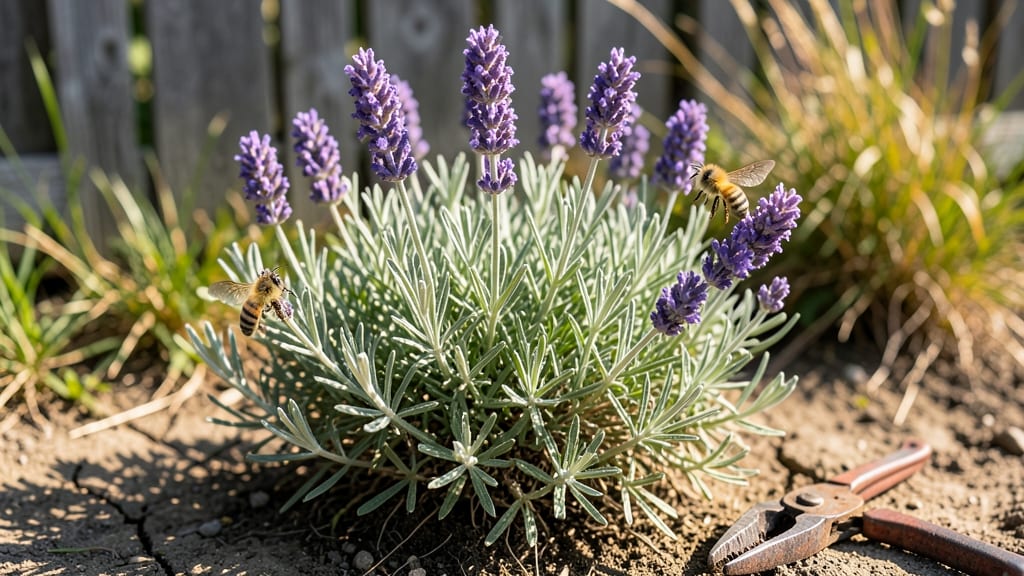
Bee season isn’t just spring—it’s the six-month stretch from early blooms to goldenrod when your garden becomes a pollinator paradise. 🌸 I’ve watched my yard transform from a quiet corner to a buzzing hub of activity during these months, and the key is planting the right companions that keep bees coming back all season long.
The magic happens when you mix early bloomers like crocus with mid-season favorites such as lavender and late-season stars like asters. This succession ensures bees always have fresh nectar, even as flowers fade. Avoid pesticides entirely—just one application can wipe out a colony’s food source for weeks.
You’ll see the difference within weeks: more pollinators, bigger tomato yields, and flowers that last longer. Even small spaces can support bees with containers of thyme or borage. The best part? These plants thrive with minimal fuss once established.
Works for any climate, from desert gardens to northern borders. Here’s how to build a bee-friendly schedule that keeps them visiting from March through October.
Nature’s Pollinator Calendar
Every year, bees and other pollinators follow a predictable rhythm—what we call the bee season. But why do these buzzing helpers show up in waves, sometimes disappearing only to return in force?
The answer lies in a mix of environmental cues, plant life cycles, and survival strategies. Let’s break down the science behind their seasonal appearances.
Bees don’t just appear randomly—they follow the flowering schedule of their favorite plants. Most flowers bloom in response to temperature, daylight, and moisture, triggering a surge in nectar and pollen. Here’s how it works:
- Spring Awakening: As days lengthen and temperatures rise, early bloomers like crocus and fruit trees kick off the season. Bees emerge from hibernation (or overwintering) to feast on these first meals.
- Summer Peak: Warmth and consistent rainfall create a superbloom of sunflowers, lavender, and clover. This is when bees are most active, building honey stores and expanding colonies.
- Fall Wind-Down: Shorter days signal plants to conserve energy, reducing blooms. Bees shift focus to late-season favorites like astors and goldenrod before winter.
Pro Tip: 🌡️ Plant a staggered bloom schedule—mix early, mid, and late-season flowers—to keep bees fed year-round!
Bees are cold-blooded, meaning their activity depends on external warmth. Here’s how climate shapes their seasons:
| Factor | Effect on Bees | Actionable Tip |
|---|---|---|
| Daylight Hours | Longer days (14+ hours) stimulate queen bees to lay more eggs, expanding colonies. | 💡 Add sunlight-reflective mulch near hives to extend warmth in cooler mornings. |
| Warmth Threshold | Bees typically fly when temps hit 55°F (13°C)—colder mornings keep them inactive. | ✨ Plant heat-loving herbs (like basil or rosemary) near seating areas to attract bees on warmer days. |
| Rain & Humidity | Heavy rain halts foraging, but high humidity can drown pollen, reducing food sources. | 🌧️ Install a bee water station (shallow dish with pebbles) to help them stay hydrated. |
Not all bee activity is about flowers—it’s also tied to their hive’s life cycle. Here’s how colonies drive seasonal patterns:
- Spring Swarming: Overcrowded hives split in spring, sending out swarms (thousands of bees + a queen) to find new homes. This creates a temporary surge in visible bees.
- Summer Brood Rearing: Queens lay 1,500–2,000 eggs/day in peak season, requiring massive pollen/nectar intake. This is why gardens see constant bee traffic.
- Fall Colony Shrink: As food dwindles, bees reduce brood production, and drones (male bees) are expelled to conserve resources.
Fun Fact: 🐝 A single hive can produce 100 lbs of honey in summer—but only if they have enough flowers to forage!
Your region’s climate dramatically alters the bee season. For example:
- Tropical Zones: Year-round warmth means perennial blooms (e.g., hibiscus, bougainvillea), so bees are active all 12 months.
- Temperate Climates: Clear seasonal shifts—bees hibernate in winter (or die off, in the case of bumblebees) and rebound in spring.
- Desert Areas: Flash floods can trigger ephemeral blooms (short-lived plants), drawing bees in massive, unpredictable swarms.
Actionable Tip: 🗺️ Check your USDA Plant Hardiness Zone to match companion plants with local bee activity patterns.
Revitalizing Your Garden’s Pollinator Haven
If your garden isn’t buzzing with bees, butterflies, and other pollinators as much as you’d like—even during peak bee season—don’t worry. With the right strategies, you can transform your outdoor space into a thriving hub for these essential creatures.
Below, we’ve mapped out practical solutions tailored to common challenges, from soil health to seasonal timing, along with prevention tips to keep your garden pollinator-friendly year-round.
Healthy soil is the backbone of a vibrant garden. If your plants struggle to grow or lack the nutrients pollinators need, it’s time to give your soil a boost.
🔥 Problem: Compacted or Nutrient-Depleted Soil
- Fix: Amend your soil with organic matter like compost, aged manure, or leaf mold. Aim for a mix of 60% native soil, 30% compost, and 10% perlite or sand for better drainage.
- Prevention Tip: 💡 Test your soil every 2–3 years using a home kit or send a sample to a local extension office. Adjust pH (ideal: 6.0–7.0 for most pollinator plants) with lime (to raise pH) or sulfur (to lower it).
🌡️ Problem: Soil Lacking Microbes
- Fix: Introduce beneficial microbes with products like mycorrhizal fungi or compost tea. These help plants absorb nutrients more efficiently.
- Prevention Tip: ✨ Avoid synthetic fertilizers—they can disrupt microbial life. Instead, use slow-release organic fertilizers (like fish emulsion or worm castings) to feed the soil, not just the plants.
Pollinators rely on continuous nectar and pollen sources. If your garden has bare patches during off-seasons, they’ll move elsewhere.
⏰ Problem: No Blooms in Early Spring or Late Fall
- Fix: Plant early-season bloomers like crocus, lungwort, or winter honeysuckle (for spring) and fall asters, goldenrod, or sedum (for late season). Pair them with perennials that regrow yearly, like bee balm or coneflowers.
- Prevention Tip: 🎯 Stagger plantings—sow seeds or transplant new varieties every 4–6 weeks to ensure overlapping bloom times.
🌿 Problem: Monoculture Planting (Too Many of the Same Species)
- Fix: Create a diverse pollinator menu with 3–5 different plant types in each section of your garden. Mix herbs (lavender, thyme), wildflowers (black-eyed Susans), and shrubs (butterfly bush) for variety.
- Prevention Tip: 🔥 Avoid annuals-only gardens—perennials and biennials (like foxglove or hollyhock) provide longer-term food sources with less replanting.
Pesticides can wipe out pollinators faster than pests can damage plants. Here’s how to keep both safe.
🐜 Problem: Aphids, Spider Mites, or Other Sap-Suckers
- Fix: Use physical barriers (row covers) or natural predators like ladybugs or lacewings. For severe infestations, try neem oil (harmless to bees if applied at dusk).
- Prevention Tip: 💪 Encourage biodiversity—plants like dill, fennel, and marigolds attract pest-eating insects naturally.
🍄 Problem: Fungal Issues (Powdery Mildew, Rust)
- Fix: Improve air circulation by spacing plants properly and water at the base (avoid wetting leaves). Apply baking soda spray (1 tsp baking soda + 1 quart water + a drop of soap) as a preventative.
- Prevention Tip: 🌡️ Choose resistant varieties—some plants (like disease-resistant roses or zinnias) are naturally tougher.
Once your garden is buzzing, upkeep ensures it stays that way.
✂️ Problem: Over-Trimming or Deadheading Too Aggressively
- Fix: Leave some seed heads (like coneflowers or milkweed) for overwintering insects and birds. Deadhead spent blooms only if they’re unsightly—otherwise, let them go to seed.
- Prevention Tip: 🎯 Create a "wild corner"—a small untouched area with native grasses and weeds (like clover or lamb’s quarters) provides shelter and extra food.
💧 Problem: Water Stress or Drought
- Fix: Install a drip irrigation system or self-watering planters to keep soil moist without overwatering. Mulch with straw or wood chips to retain moisture.
- Prevention Tip: 💡 Group plants with similar water needs together (e.g., succulents with drought-tolerant lavender; thirsty hydrangeas with ferns).
With these targeted fixes, your garden will become a pollinator magnet—not just during peak bee season, but all year. Start small, stay consistent, and watch your outdoor space transform into a living ecosystem that benefits both you and the bees! 🐝✨
Frequently asked questions
When does bee season officially start and end?
In temperate climates, bee season typically runs from early spring (March-April) through early fall (October). The exact timing depends on your region—warmer areas may see year-round activity, while colder zones get a shorter window. Look for the first blooms (like crocus) to signal the start!
Can I attract bees year-round, or is it only during peak season?
You can create a year-round pollinator garden by planting a mix of early, mid, and late-season bloomers! Include winter bloomers like hellebores and spring ephemerals, plus perennials that regrow annually. Even in winter, evergreens provide shelter for overwintering bees.
What’s the best way to tell if bees are active in my garden?
Look for these signs: visible bees on flowers, new honeycomb in hives, and increased fruit set on plants. Listen for buzzing sounds—bees fly at 55°F+ and become most active between 10 AM-4 PM on sunny days.
Are there any flowers that attract bees but repel pests?
Yes! Plants like lavender, marigolds, and basil attract pollinators while naturally deterring pests. These "three-in-one" plants create a balanced garden ecosystem—bees get nectar, your veggies get pollinated, and pests stay away!
What should I do if I see fewer bees than usual during peak season?
Check for these common issues: pesticide use, lack of water sources, or missing food plants. Add a shallow water dish with pebbles, avoid chemicals, and plant more diverse flowers. If problems persist, consider installing a local bee hotel!