
Pruning
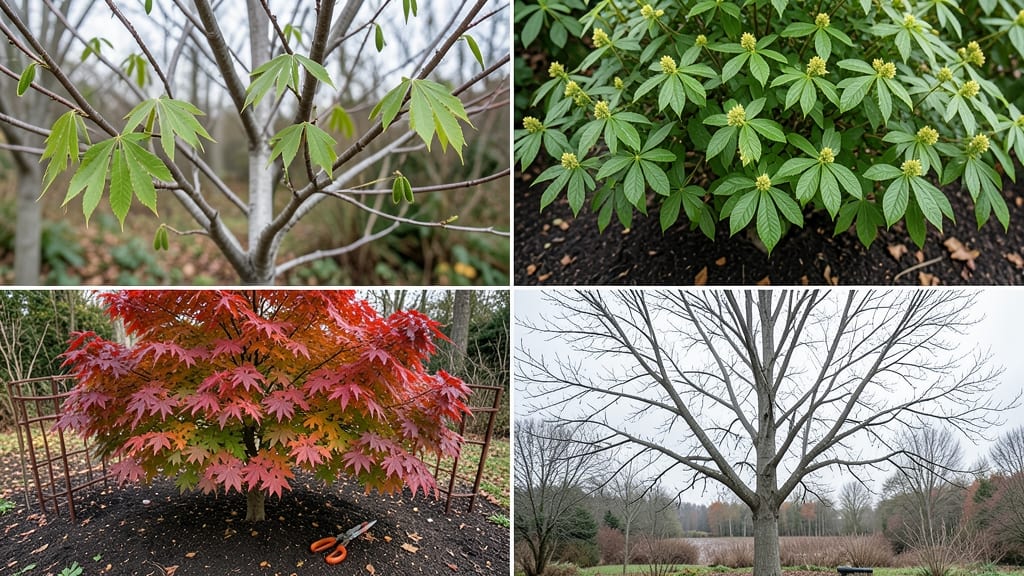
Your tree’s seasonal transformation is more than just pretty leaves—it’s a survival strategy. 🌳 From fiery red maples in autumn to delicate dogwood blooms in spring, each season demands different care to keep your tree thriving.
The key isn’t just watching the show; it’s knowing when to prune, mulch, or protect against winter’s bite.
Spring is all about growth: prune before buds swell to encourage strong branches, and watch for early pests like aphids. Summer’s heat means deep watering and monitoring for stress—yellowing leaves often signal overwatering or disease.
Then comes fall, when golden foliage hides the perfect time to prune for winter shape, and winter itself forces you to mulch and protect roots from freezing soil.
By the end of the year, you’ll have a tree that’s not just surviving but showing off—vibrant blooms in spring, dense shade in summer, and a stunning autumn display.
The secret? Matching each season’s needs to your tree’s natural rhythm, from the first thaw to the last frost. No more guessing—just healthier, more beautiful trees every year.
Works for any yard tree, from towering oaks to ornamental cherries. Here’s how to sync your care with nature’s calendar—without overcomplicating it.
📚 In This Guide
- What you need
- Instructions
- Tips and common mistakes
- Wrapping up and next steps
What you need
- ● Pruning Shears: Bypass pruners (for small branches, ¼"–¾" cutting capacity). Quantity: 1 pair
- ● Loppers: For medium branches (1"–2" cutting capacity). Quantity: 1 pair
- ● Pruning Saw: For thick branches (2"–4" cutting capacity). Quantity: 1
- ● Extension Pole: Attachable to loppers/saws (10–15 ft). Quantity: 1
- ● Gloves: Heavy-duty, cut-resistant (e.g., leather or synthetic). Quantity: 1–2 pairs
- ● Disposable Pruning Bags: 1–2 gallon capacity (for debris collection). Quantity: 5–10 bags
- ● Rubbing Alcohol (70%+) or Bleach Solution: 1:9 bleach-water mix for tool sterilization.
- ● Tree Wrap or Pruning Sealant: For protecting wounds on large cuts.
- ● Measuring Tape: 16 ft for assessing branch size.
- ● Notebook/Pen: For tracking pruning dates and observations.
- ● Safety Goggles: Protects eyes from debris.
- ● Ladder: Sturdy, extendable (12–20 ft) for tall trees.
- ● Sharpener: For keeping blades in top condition.
- ○ Tree Growth Regulator: Optional spray for promoting healthy regrowth.
- ● Camera/Phone: Document "before" and "after" shots for progress tracking!
Step-by-step guide to seasonal tree pruning
Here's the seasonal rhythm I follow to keep trees healthy and thriving all year.
⏰ Step 1: Late Winter Pruning (Dormant Season)
This is the best time to tackle major pruning—when trees are dormant but before new growth begins. Aim for late February to early March in most climates, though warmer regions can start earlier. Look for dry, leafless branches and focus on removing dead, diseased, or crossing limbs first. I always prune on a dry day to prevent fungal spread.
Use sharp, clean pruners to make cuts just outside the branch collar—the swollen area where the branch meets the trunk. This ensures proper healing. For larger branches, I make a three-cut approach to avoid tearing bark. You'll see fresh, clean cuts that heal faster than jagged ones.
☀️ Step 2: Light Pruning in Early Spring
Once buds begin to swell and new growth appears, shift to light maintenance pruning in March or April. Remove any branches that died over winter or show signs of disease. This prevents pests from moving into fresh foliage. I also thin out crowded branches to improve airflow and sunlight penetration.
Watch for water sprouts—those fast-growing, vertical shoots—and prune them back immediately. These sap-suckers drain energy from your tree. A quick pass with pruners keeps the tree's energy focused on strong, structural growth rather than weak, fast-growing shoots.
🌿 Step 3: Summer Pruning (Selective and Strategic)
Mid-summer isn't ideal for heavy pruning, but you can do selective trimming in June or July to shape the tree and control growth. Remove any suckers or shoots growing from the base, as these compete with the main canopy. I also prune back any branches that are rubbing against each other—this prevents bark damage and disease entry points.
If your tree has overgrown branches, trim them back to a lateral bud to encourage bushier growth. Avoid cutting more than 25% of the canopy in one season, as this stresses the tree. You'll notice new, vibrant growth filling in within weeks if you've pruned correctly.
✂️ Step 4: Fall Cleanup (Minimal Pruning)
Fall is mostly about cleanup, not pruning. In October or November, remove any dead, diseased, or storm-damaged branches. Avoid heavy pruning now—it stimulates new growth that won't harden off before winter. I also rake up fallen leaves and debris around the base to prevent fungal diseases from overwintering.
If you have fruit trees, this is the time to prune for next year's harvest. Focus on opening up the center of the tree for better sunlight and air circulation. You'll see the tree looking tidy and prepared for dormancy, ready to rebound in spring.
❄️ Step 5: Winter Inspection and Planning
While you're not pruning in winter, take time in December or January to inspect your tree for winter damage. Look for split bark, broken branches, or signs of pests like egg masses or chewed leaves. Note any areas that need attention when spring arrives.
Sketch a quick map of the tree's structure—mark branches to remove or shape in late winter. This helps you visualize the pruning process and ensures you don't miss anything. You'll start the new year with a clear plan and a healthier tree.
Tips & tricks for seasonal tree pruning
These practical tips will help you keep your trees thriving year after year without common mistakes.
Seasonal Timing is Everything: The late February to early March window for major pruning is non-negotiable for most climates. I've learned the hard way that pruning too early in winter can expose fresh cuts to harsh winds, while waiting too long risks stimulating premature growth. For fruit trees, I mark my calendar for October/November pruning—this timing ensures next year's harvest potential while preventing winter stress. Trust me, your tree will thank you for respecting these seasonal cues.
Tool Sharpness Makes All the Difference: Dull pruners crush branches instead of making clean cuts, which tears bark and invites disease. I keep a small file in my toolkit and sharpen blades before each session. For larger branches, I use a three-cut approach as mentioned—first an undercut, then a top cut, and finally a clean removal cut. This prevents bark from tearing and ensures proper healing. A little prep work here saves big headaches later.
Visual Cues for Proper Pruning: When removing branches in Step 1, look for the branch collar—the swollen area where the branch meets the trunk. Your cut should be just outside this collar, leaving a smooth, slightly raised area. For water sprouts in spring, they're easy to spot—they're those fast-growing, vertical shoots that stick out like sore thumbs. Trim them back to a lateral bud or branch to redirect the tree's energy where you want it. Your eyes will learn these cues faster than you think!
Cleanup Prevents Future Problems: Fall cleanup isn't just about aesthetics—it's disease prevention. I always rake up fallen leaves and debris around the tree base after my October/November pruning. This simple step removes overwintering spots for fungal spores. For fruit trees, I make it a point to open up the center canopy during fall pruning. Better airflow means fewer pest issues and better fruit production next season. Think of it as your tree's winter spa treatment.
Pro Tips for Tree In Different Seasons
- These practical tips will help you keep your trees thriving year after year without common mistakes.
- Seasonal Timing is Everything: The late February to early March window for major pruning is non-negotiable for most climates.
- Tool Sharpness Makes All the Difference: Dull pruners crush branches instead of making clean cuts, which tears bark and invites disease.
Frequently asked questions
Got questions about keeping your trees vibrant through every season? Here are some of the most common ones—and their answers!
When is the best time to prune trees in winter?
Winter (late December to early March) is ideal for pruning dormant deciduous trees like oaks, maples, and fruit trees. Avoid pruning when temps drop below 40°F or during heavy frost. Evergreens can be pruned in late winter to early spring, but skip heavy cuts in extreme cold. Pro tip: Prune before buds swell to minimize stress on the tree!
Should I prune trees in the fall?
Fall pruning is risky for most trees because it opens wounds that may not heal before winter. However, light pruning (removing dead or diseased branches) is safe in early fall. Avoid heavy cuts—save major pruning for late winter or early spring. Exception: Some fruit trees (like apples) benefit from summer pruning to improve airflow.
What if my tree loses leaves early—is pruning to blame?
Early leaf drop isn’t always caused by pruning. Check for pests, disease, or environmental stress (like drought or extreme heat). If pruning was recent, the tree may be recovering—give it time! Water deeply and avoid fertilizing until new growth appears. Troubleshoot: Inspect branches for signs of borers or fungal spots.
Can I prune trees in summer?
Summer pruning is best for light maintenance (removing suckers or water sprouts) but avoid heavy cuts during peak growth (June–August). Prune in early morning to reduce stress from heat and pests. Evergreens like junipers can tolerate light summer trims, but avoid pruning broadleaf evergreens (e.g., rhododendrons) in hot months.
How do I create a pruning schedule for my specific tree?
Start by identifying your tree type (deciduous, evergreen, fruit-bearing). Use a seasonal pruning guide as a baseline, then adjust for local climate. For example:
- Spring bloomers (e.g., cherry trees): Prune after flowering.
- Summer shade trees (e.g., oak): Prune in late winter.
- Evergreens (e.g., pine): Prune in late winter/early spring.
Wrapping up and next steps
Watching a tree transform through the seasons isn’t just beautiful—it’s a reminder of nature’s resilience and the power of care. By following a seasonal pruning calendar, you’re not just shaping your tree; you’re nurturing its health, beauty, and longevity for years to come. 🌳✨
Ready to put your newfound knowledge into action? Start small—pick one season to focus on this year, gather your tools, and take the first step toward a thriving tree. The best time to prune is always now!