
Picking
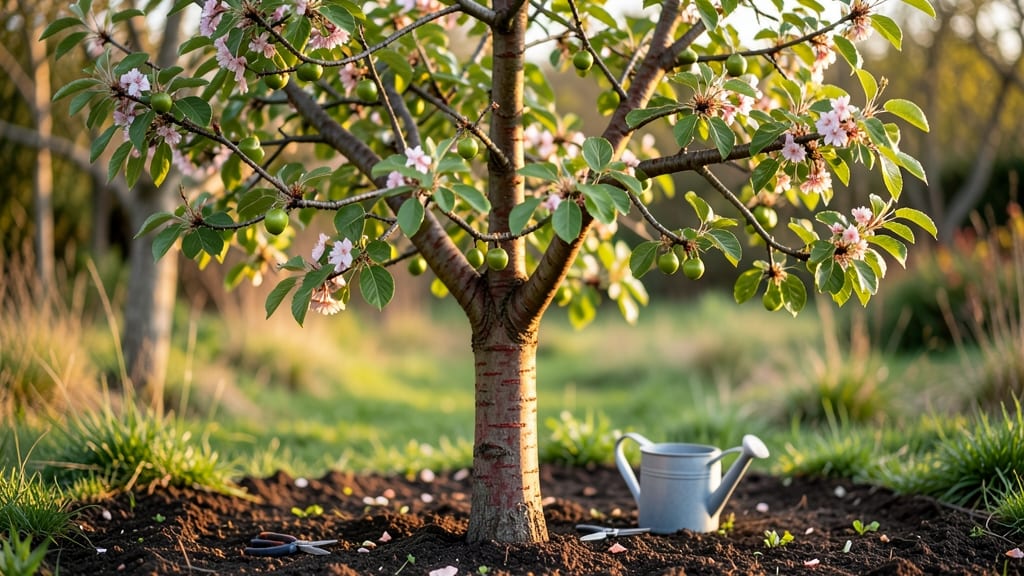
What season do cherries grow in—late spring through summer—depends on whether you’re in the Northern or Southern Hemisphere, and whether your tree is sweet or tart.
If you’ve ever bitten into a juicy cherry straight from the tree and wondered how to time your own harvest—or even grow your own—knowing the exact seasons they thrive in is your first step to success.
In USDA Zone 6a, like much of the Midwest, sweet cherries like ‘Bing’ or ‘Rainier’ burst into season around June, while tart varieties like ‘Montmorency’ may ripen a month earlier.
But here’s the catch: cherries are not grown from seeds (they won’t produce fruit true to the parent tree) unless you’re grafting, which means most home gardeners plant nursery-bred trees already primed for their climate.
That’s why timing your spring planting—right after the last frost in April or May—sets the stage for a reliable harvest.
Below, I’ll break down the exact months for planting, flowering, and harvesting by climate zone, plus pro tips to extend your cherry season in hot or cold regions. Whether you’re in the Pacific Northwest or the Southeast, you’ll leave here knowing when to expect those 🍒-filled branches.

Cherry growth seasons by climate zone: exact months for planting and harvesting
Timing your cherry tree planting and harvest depends entirely on your USDA climate zone and whether you're growing sweet or tart varieties. Cherries are cool-season plants that require precise seasonal cues—from dormancy in winter to flowering in spring.
In USDA zones 5-9, the exact months for planting and harvesting can shift by 4-6 weeks, especially when comparing the Pacific Northwest to the Southeast. Understanding these variations ensures you avoid frost damage or missed harvests.
Most cherry varieties need chill hours (300–1,000 hours below 45°F) to break dormancy, which explains why Southern gardeners often struggle with cold-sensitive sweet cherries. Tart cherries like 'Montmorency' are more adaptable, thriving in zones 4-8, while sweet cherries prefer zones 5-7.
Below, I’ve broken down the planting windows, flowering periods, and harvest timelines by zone, plus regional tweaks for Pacific Northwest vs. Southeast growers.
🍒 PRO TIP: Always plant bare-root trees in late winter or early spring (after the last frost but before buds swell). For grafted varieties, timing matters—plant too early, and roots wake up before soil warms; too late, and the tree misses its critical growth window.
In USDA zone 5, where winters are harsh, sweet cherries like 'Lapins' or 'Stella' are your best bet—they handle 1,000+ chill hours and bloom later to avoid spring frosts. Plant them in full sun with southern exposure to capture warmth.
Meanwhile, zone 9 gardeners should stick to tart cherries like 'Balaton' or 'Meteor,' which tolerate milder winters and hotter summers.
The Pacific Northwest offers a longer growing season due to its cooler summers and milder winters. Here, sweet cher
How to extend cherry growing seasons: cold-hardy varieties and seasonal hacks
Living in an extreme climate doesn’t mean you have to miss out on fresh cherries. With the right cold-hardy varieties and a few seasonal hacks, you can push your cherry harvest well beyond the typical June-August window.
Whether you’re battling late spring frosts or sweltering summer heat, these strategies will help you grow cherries successfully.
The key is choosing late-blooming varieties that resist frost damage and using protective measures to shield young fruit. For example, 'Montmorency' tart cherries are renowned for their cold tolerance and can thrive in USDA zones 3-6, while 'Stella' sweet cherries handle heat stress better than many varieties.
Pair these with smart pruning and seasonal adjustments to extend your growing window.
- 1 Choose late-blooming varieties like 'Montmorency' or 'Balaton' to avoid frost damage. These bloom 2-3 weeks later than early varieties, giving you a longer harvest window.
- 2 Use row covers or frost blankets during late spring blooming to protect flowers and young fruit from unexpected frosts. Secure covers with bricks or stakes to prevent wind damage.
- 3 Adjust pruning schedules to promote later blooming. Prune in late winter or early spring to remove weak or crossing branches, which encourages stronger growth and delays flowering.
- 4 Mulch heavily in fall and winter to insulate roots from freezing temperatures. Use 4-6 inches of organic mulch like straw or wood chips, keeping it 6 inches away from the trunk.
- 5 Water deeply in summer to combat heat stress. Provide 15-20 gallons of water per tree every 10-14 days, focusing on the root zone to encourage deep root growth.
Another trick is to plant multiple varieties with staggered blooming times. For instance, pair an early bloomer like 'Lapins' with a late bloomer like 'Regina'.
This ensures you’ll have cherries ripening at different times, giving you a prolonged harvest and reducing the risk of losing your entire crop to frost or heat.
Don’t forget to monitor weather forecasts during bloom time. If a late frost is predicted, be ready to act quickly with emergency frost protection, such as overhead sprinklers or smoke generators. These can raise temperatures just enough to protect delicate flowers and young fruit.
With these strategies, you can enjoy homegrown cherries for weeks longer than the typical season. Start with cold-hardy varieties, protect your trees with seasonal hacks, and soon you’ll be harvesting cherries well into late summer or even early fall—no matter your climate! 🍒