
Picking
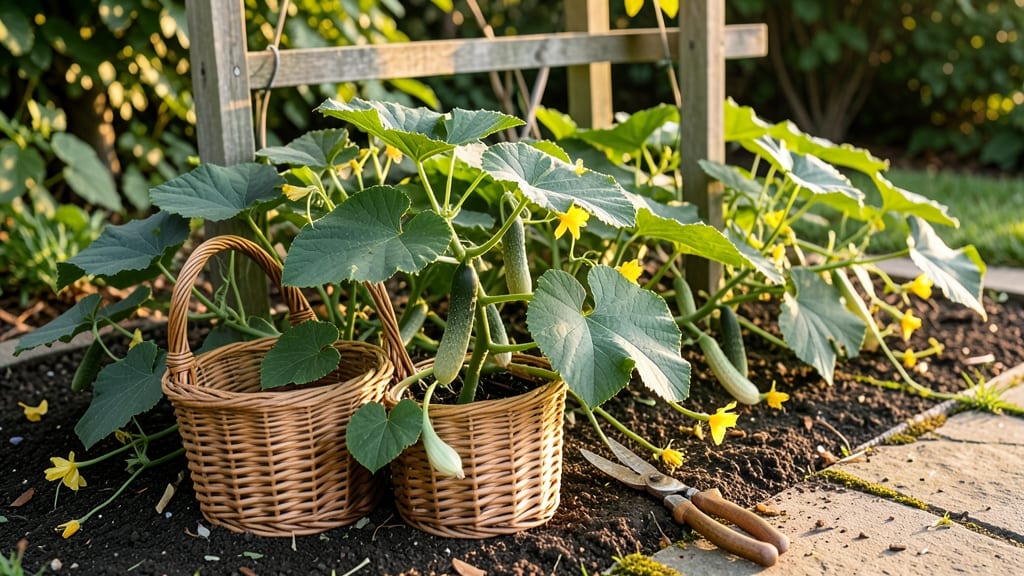
When are cucumbers in season, and how do you know they’ve reached peak flavor? arriving in July and August when temperatures are warm but not scorching.
But in warmer climates like Florida or California, you can grow them year-round—just choose heat-tolerant varieties like 'Straight Eight' or 'Marketmore' to avoid bitter fruit.
The secret to great cucumbers isn’t just timing—it’s matching your planting schedule to your region’s last frost date. In Zone 5, start seeds indoors 4-6 weeks before the last frost and transplant after the soil warms to 60°F.
In Zone 8 or warmer, you can direct-sow in early spring or even overwinter with row covers. The key is avoiding extreme heat, which turns cucumbers seedy and bitter faster than you can pick them.
When you time it right, you’ll end up with crisp, tender cucumbers that burst with flavor—nothing compares to the taste of a vine-ripened 'Lemon Cucumber' or a classic slicing variety like 'Straight Eight'.
The harvest window is short (just 6-8 weeks for most varieties), so plan ahead: succession plant every 2 weeks for a continuous supply, or save seeds from your best performers for next year.
For gardeners in cooler climates, extending the season with a low tunnel or cold frame can add 2-3 extra weeks of harvests. In warmer areas, shade cloth helps prevent sunburn on the fruit.
No matter where you grow, the payoff is worth the effort—homegrown cucumbers taste like summer in every bite, even when store-bought ones are bland and mealy.
📚 In This Guide
- What you need
- Instructions
- Tips and common mistakes
- Wrapping up and next steps
What you need
- ● Fresh cucumbers: Look for firm, unblemished varieties like slicing, pickling, or English (hothouse) cucumbers. Aim for 2–3 lbs per person for snacks or salads.
- ● Harvesting tools (if foraging): Sharp pruning shears or garden scissors (for cutting stems without damaging vines).
- ○ Gloves (optional but recommended for thorny or prickly plants).
- ● Cloth or mesh bag (to avoid bruising cucumbers during transport).
- ● Storage supplies: Perforated plastic bags or ventilated containers (to prevent moisture buildup).
- ● Refrigerator (for short-term storage; cucumbers last 5–7 days when chilled).
- ● Farmers' market guide: A list of local farms or CSAs (Community Supported Agriculture) in your region that sell peak-season cucumbers.
- ● Seed packets (if you’re planting your own—choose heirloom or hybrid varieties like 'Straight Eight' or 'Lemon' for flavor!).
- ● Food processor or mandoline (for slicing kilos of fresh cucumbers efficiently!).
- ● Vinegar, salt, and dill (to preserve excess cucumbers as pickles or fermented snacks!).
Understanding cucumber season: a regional harvest guide
Cucumber harvests vary dramatically by climate zone—here’s how to time your garden for peak flavor and yield.
Identify Your USDA Hardiness Zone
First, locate your USDA Plant Hardiness Zone (1-12) using the USDA interactive map. This determines your growing window: Zones 1-4 have short summers, while Zones 8-10 can grow cucumbers year-round with proper care. I always check my local cooperative extension service for microclimate adjustments—they often refine zone boundaries based on elevation or urban heat islands.
For example, Zone 5 gardeners typically plant after last frost date (mid-May to early June), while Zone 9 growers may harvest continuously from March through November. Note that heat-tolerant varieties like 'Straight Eight' thrive in Zones 9-11, while cooler-climate types like 'Lemon Cucumber' prefer Zones 3-7.
Align Planting with Regional Peak Months
Most cucumbers thrive when soil temperatures reach 60°F—use a soil thermometer to confirm readiness. In the Northeast (Zones 3-5), plant 2-3 weeks after last frost (typically late May) for harvests in July and August. Southern states (Zones 7-10) can start as early as February, with continuous harvests through October or even winter with row covers.
Here’s the key: Daylength matters. Short-day varieties (like 'Suyo Long') perform best when planted in early summer, while long-day types (like 'Marketmore') respond better to spring or fall planting. I’ve learned the hard way that planting heat-loving varieties too early in cooler zones leads to poor pollination and bitter fruit.
Adjust for Microclimates and Urban Heat Islands
Your yard’s specific conditions override zone averages. South-facing slopes warm faster, while shaded areas may delay planting by 2-3 weeks. I test soil temperature daily in my raised beds—once it hits 65°F at 4 inches deep for three consecutive mornings, it’s time to plant, regardless of the calendar date.
Urban gardeners should account for concrete heat absorption: Areas near buildings or pavement often stay 5-10°F warmer than rural fields. If your neighborhood has this effect, plant heat-sensitive varieties like 'Corinto' in late spring instead of early summer. Conversely, cooler microclimates (like valleys) may need black plastic mulch to warm soil faster.
Plan for Continuous Harvest Windows
Succession planting extends your season. In Zones 1-6, sow every 2 weeks until mid-July to stagger harvests through September. I use bush varieties like 'Bush Champion' for compact spaces, then follow with vining types like 'Armenian' for late-season productivity.
For winter harvests in Zones 7-10, use row covers or cold frames to protect plants through light frosts (28°F). In my Zone 8 garden, I’ve harvested 'Suyo Long' cucumbers in December by combining row covers with drip irrigation to prevent soil freezing. The trick is monitoring low temperatures at night—if they dip below 50°F, cover plants immediately.
Monitor Pollination for Optimal Fruit Set
Peak harvest depends on successful pollination. In hot, dry summers (Zones 6-10), cucumber flowers may fail to set fruit due to poor bee activity. I’ve found that hand-pollinating with a small paintbrush in the morning boosts yields by 30-40% during heatwaves.
Cooler regions (Zones 1-5) often see better pollination naturally, but wind or rain can disrupt it. If your plants produce many flowers but few fruits, check for pollen viability by gently tapping male flowers over female blooms (female flowers have tiny cucumbers at their base). This simple step prevents wasted energy on unproductive blooms.
Tips & tricks for timing your cucumber harvest
Mastering the perfect planting window transforms your garden from mediocre to spectacular. Here's what I've learned after years of trial and error with cucumbers across different climates.
Soil Temperature is Non-Negotiable: The 60°F soil temperature threshold isn't just a suggestion—it's when cucumber seeds finally gain the energy to germinate properly. I've seen seeds sit for weeks in cooler soil, only to sprout all at once when temperatures finally rise. For raised beds, black plastic mulch can raise soil temperatures by 5-10°F faster than bare ground, giving you an earlier start in cooler zones.
Microclimate Mapping Saves Seasons: Your yard isn't uniform—south-facing slopes can be 10°F warmer than north-facing areas at the same time. I map my garden with temperature probes in spring to identify these hotspots. Plant heat-sensitive varieties like 'Corinto' in these cooler microclimates first, reserving heat-lovers for the warmest spots. This simple adjustment can extend your harvest window by 2-3 weeks.
Pollination Backup is a Game-Changer: In Zones 6-10 during heatwaves, I keep a small paintbrush in my gardening apron. Hand-pollinating cucumber flowers in the morning (before bees are active) boosts fruit set by 30-40%. The trick is tapping male flowers over female blooms—you'll know you've hit the right ones when female flowers have those tiny cucumber bumps at their base. This method saved my summer harvests more times than I can count.
Winter Extension Secrets: For Zones 7-10 gardeners wanting winter cucumbers, row covers work wonders—but only if you monitor nighttime temperatures. The moment lows dip below 50°F, cover your plants immediately. I've successfully grown 'Suyo Long' through December in Zone 8 by combining row covers with drip irrigation (which also prevents soil freezing). The key is checking forecasts and acting before temperatures drop.
Pro Tips for When Are Cucumbers In Season
- Mastering the perfect planting window transforms your garden from mediocre to spectacular.
- Soil Temperature is Non-Negotiable: The 60°F soil temperature threshold isn't just a suggestion—it's when cucumber seeds finally gain the energy to germinate properly.
- Microclimate Mapping Saves Seasons: Your yard isn't uniform—south-facing slopes can be 10°F warmer than north-facing areas at the same time.
Frequently asked questions
When is the best time to buy cucumbers?
Peak season for cucumbers is summer (June–August) in most regions, when they’re freshest, cheapest, and at their best flavor. Look for firm, heavy cucumbers with shiny skin—these are signs of peak ripeness! If you’re outside the season, opt for greenhouse-grown or imported varieties, but expect slightly higher prices.
Can I grow cucumbers year-round in warm climates?
In warm climates like Florida, California, or Texas, cucumbers can grow year-round with proper care. However, they thrive best in spring and fall when temperatures are mild (60–90°F). In extreme heat, yields may drop, and vines can struggle. Use shade cloth or drip irrigation to help them stay healthy during peak summer months.
What’s the difference between in-season and out-of-season cucumbers?
In-season cucumbers are sweeter, crisper, and more flavorful because they’re harvested at peak ripeness. Out-of-season options (often from greenhouses) may be softer, seedier, or bitter-tasting due to forced growth. For the best quality, buy local during summer or early fall when possible!
Are there alternatives if cucumbers aren’t in season?
Swap cucumbers for similar veggies like zucchini, celery, or radishes in salads. For hydration, try watermelon, lettuce, or tomatoes. If you love pickles, green beans or carrots can work in quick pickling recipes. Just adjust cooking times and flavors to match the substitute!
Why do store-bought cucumbers taste bland?
Store-bought cucumbers are often picked early (unripe) for shipping and may lack flavor. To fix this, let them ripen at room temp for 1–2 days before eating. For extra flavor, try slicing and salting them 30 minutes before serving—this draws out bitterness and enhances sweetness!
Wrapping up and next steps
Now that you know the best months to enjoy fresh, flavorful cucumbers—whether you're growing your own or shopping at the market—you’re ready to savor the season! 🌱 From late spring to early fall, these crisp, hydrating veggies are at their peak, offering the perfect balance of sweetness and crunch. Why wait? Head to your local farmers' market or garden today and pick up a bunch to enjoy in salads, snacks, or refreshing drinks.
Next step: Try a new cucumber recipe—like a zesty gazpacho or a cooling tzatziki—and make the most of this seasonal gem! 🥒✨