
Container Gardens
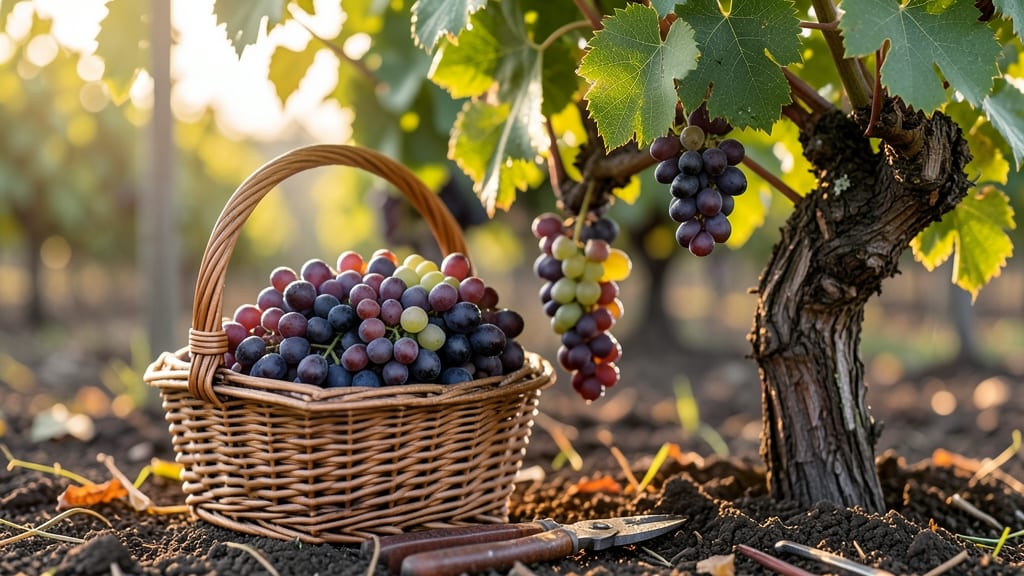
Grapes come into season between late summer and early fall, typically from August through October, though exact timing depends on variety—early ripening types like Thompson Seedless appear in July, while late varieties like Cabernet Sauvignon may linger until November. Warmer climates extend the harvest window by weeks compared to cooler regions.
Grape harvest timing varies dramatically depending on where you live and what type you're growing. 🌱 In cooler northern regions like the Pacific Northwest, most varieties ripen between September and October, while southern states like California can enjoy harvests as early as July for heat-loving varieties.
The key factors are temperature accumulation (measured in "growing degree days") and sunlight exposure—warmer areas simply accelerate the ripening process. For container gardeners, this means choosing early-maturing varieties like Concord or Niagara if you're in a shorter growing season zone.
What's interesting is how climate affects not just timing but also flavor development. Warmer regions often produce grapes with higher sugar content and more intense aromas, while cooler climates yield grapes with brighter acidity and subtler flavors.
I always recommend checking local agricultural extension services for USDA Plant Hardiness Zone specific advice, as frost dates can dramatically cut short your harvest window in marginal climates.
💡 In This Article
- Grapes Ripening Timeline by Variety and Climate
- How to Track Grape Harvest Seasons in Your Area
Grapes ripening timeline by variety and climate
The grape ripening process is driven by two key environmental factors: temperature accumulation (measured in "growing degree days") and sunlight exposure. Most varieties require between 1,200 to 2,000 growing degree days (calculated as average daily temperature minus 50°F) to reach full maturity.
For example, Thompson Seedless grapes—common in California—often begin coloring in late June and reach peak ripeness by mid-August in Zone 9, while the same variety in Zone 5 might not ripen until mid-September at best.
Wine grapes like Cabernet Sauvignon follow a different schedule due to their later maturation cycle. These varieties typically need 1,500-1,800 growing degree days and often don't reach ideal sugar levels until late September or October in cooler regions.
The difference comes from their thicker skins and more complex flavor profiles, which require additional time for phenolic compounds to develop.
In warmer climates like southern California's Central Valley, Cabernet grapes can start harvesting as early as late August, while in Oregon's Willamette Valley, they might not be ready until mid-October.
Frost risk creates dramatic variations in harvest timing. Northern growers in USDA Zones 4-6 often face first frost dates between September 15 and October 15, forcing them to harvest earlier when grapes are slightly less ripe.
This "frost window" explains why many northern vineyards focus on early varieties like Concord or Niagara, which can ripen in 80-90 days rather than the 120+ days needed for late varieties. The result? Grapes with slightly lower sugar content but higher acidity—perfect for jams or juices where tartness is desirable.
Container gardeners face unique challenges because pots heat up faster than soil. This means container-grown grapes in full sun might ripen 2-3 weeks earlier than their in-ground counterparts. However, the trade-off is smaller fruit size and potentially lower yields.
For example, a 5-gallon container might produce enough Concord grapes for 1-2 pints of jam, while a vineyard row could yield 2-3 tons per acre. The key is choosing compact varieties like 'Black Monukka' that thrive in containers while still meeting your harvest timeline needs.
Here's how different grape types compare in terms of seasonal timing:
- Early varieties (July-August): Thompson Seedless, Flame Seedless (great for fresh eating and raisins)
- Mid-season (August-September): Concord, Niagara (ideal for juices and jams)
- Late varieties (September-October): Cabernet Sauvignon, Merlot (best for wine production)
The color change from green to purple or red isn't just visual—it's a chemical process where chlorophyll breaks down and anthocyanins (pigment compounds) develop. This transition typically occurs 4-6 weeks before the grape reaches optimal sugar levels, giving you a clear visual cue to start monitoring ripeness. 🌿