
Picking
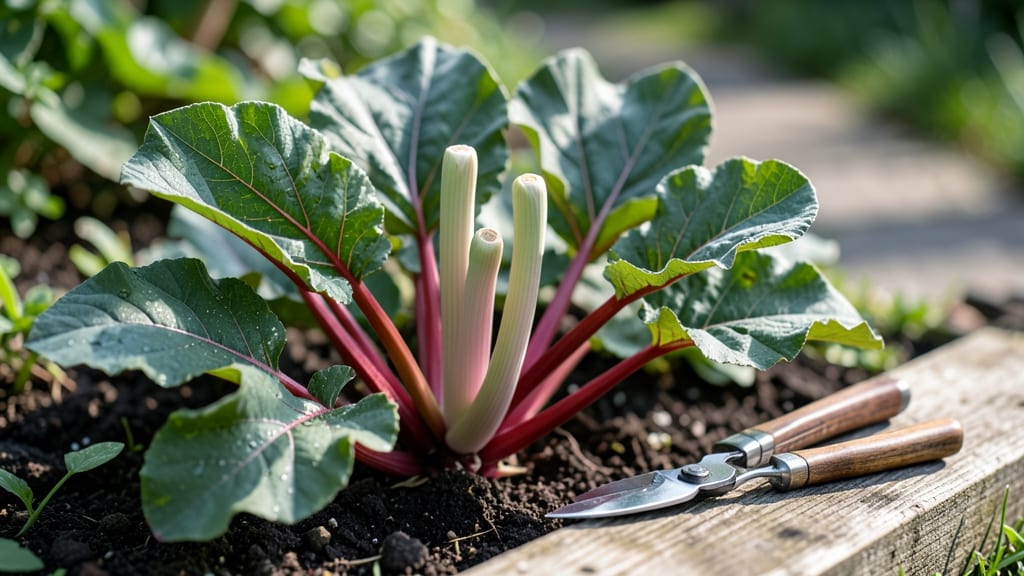
Rhubarb comes in season in late spring to early summer 🍃 — a window so brief that gardeners often race to harvest before the stalks toughen or the leaves steal all the energy.
If you’ve ever wondered why rhubarb is called "spring’s first harvest," the answer lies in its delicate balance of cold tolerance and warm growth—making timing everything for a successful yield.
In USDA Zone 6a, where most home gardeners grow it, expect your first harvest between April and June, but climate and variety can shift that window by weeks.
Below, I’ll break down exactly when to expect your crop, how to spot the perfect stalk, and pro tips to extend the season—because once those stalks turn rubbery, you’ll wish you’d harvested sooner.
Rhubarb season timeline by USDA hardiness zones: when to plant and harvest
Rhubarb earns its title as spring’s first harvest because it thrives in cool temperatures and emerges early when most gardens are still dormant. Unlike heat-loving crops, rhubarb’s cold hardiness (USDA Zones 3-9) lets it produce edible stalks weeks before tomatoes or peppers.
But timing varies dramatically by zone—plant too early in Zone 9, and frost risks linger; delay in Zone 3, and you miss the brief window for first-year harvests.
The key to success lies in understanding your frost dates and rhubarb’s two-phase growth: a dormant winter followed by rapid spring shoot emergence. In colder zones, plants may not yield until their second year, while warmer climates can produce stalks as early as February.
Let’s break down the planting windows, harvest readiness, and how to adjust for your specific zone.
⚠️ Critical Note: Never harvest rhubarb’s first-year stalks—they’re too small and won’t regrow. Focus on establishing a strong root system before expecting yields. This rule applies across all zones but is especially vital in Zone 3-5, where winters demand extra care.
In Zones 3-4, where winters are harsh, rhubarb crowns should be planted in late April after the last frost. These zones often yield no harvest in year one—instead, focus on building a robust root system.
By year two, expect stalks to emerge in late May to June, with peak season lasting just 4-6 weeks. Use heavy mulch (straw or leaves) to insulate roots during winter.
Gardeners in Zones 5-6 have a slight advantage: they can plant crowns in early April and may see tiny first-year stalks in May. However, these should be left to grow for next year’s harvest.
Mature plants in these zones produce from May through June, with red varieties (like 'Strawberry' rhubarb) ripening slightly earlier than green types.
Warmer Zones 7-8 offer the earliest harvests—some first-year plants produce edible stalks as early as April! Plant crowns in March for maximum yield. These zones benefit from early varieties like 'Victoria' or 'Timperley Early', which tolerate brief summer heat better than standard types.
Harvest continues through May-June, but avoid over-picking to prevent stress.
In Zone 9, rhubarb’s heat sensitivity becomes a challenge. Plant crowns in February and expect harvests to start as early as March. However, summer heat can cause stalks to become woody or bitter.
Use shade cloth (30-50%) during peak afternoon sun to extend the season. Late varieties like 'Canadian' perform best in these climates.
To maximize your harvest, time planting with your last frost date and choose varieties suited to your zone. In colder zones, prioritize cold-hardy types like 'Cherry' or 'Sutton'; in warmer zones, opt for heat-tolerant 'Timperley Early'.
Always harvest stalks at the base (where they meet the crown) using a sharp knife to avoid damaging the plant.
Pro tip: Mark your planting date and last frost date on a garden calendar. Rhubarb’s harvest window is short—typically just 6-8 weeks—so plan to use or preserve your crop quickly.
In Zones 3-5, this means canning or freezing; in Zones 7-9, you might have time for fresh pies before summer heat sets in.
Remember: First-year plants should never be harvested—their energy goes into root development. Patience pays off! By year three, a well-established rhubarb plant can yield up to 5 pounds of stalks per harvest,
How to extend rhubarb season: tips for earlier harvests and late fall production
Rhubarb’s natural season typically runs from late spring to early summer, but with the right techniques, you can coax your plants into producing earlier harvests in spring or even late fall yields.
The key lies in understanding rhubarb’s unique growth habits—it thrives in cool weather and goes dormant in extreme heat. By manipulating its environment, you can push these boundaries while avoiding common pitfalls that shorten the season.
One of the biggest mistakes gardeners make is assuming rhubarb is a fast-growing annual. In reality, it’s a perennial with a 2-3 year establishment period. Forcing early harvests too soon can exhaust young plants, leading to stunted growth.
Instead, focus on gradual season extension using proven methods like cold frames, strategic mulching, and selecting the right varieties for your climate.
- 1 Use cold frames or row covers to start harvesting 2-3 weeks earlier by trapping heat and extending the growing window in early spring. Remove covers when temps exceed 75°F to prevent overheating.
- 2 Mulch heavily in fall with 6-8 inches of straw or leaves to insulate roots and maintain soil temps. This prevents early dormancy and allows for late fall harvests in mild climates.
- 3 Choose early-maturing varieties like 'Early Red' or 'Victoria' for spring harvests, or 'Champagne' or 'Valentine' for extended fall production. These types tolerate cooler temps better than standard varieties.
- 4 Avoid over-fertilizing in summer—this encourages tender growth that bolts in heat. Instead, reduce watering slightly in July-August to keep plants dormant until fall cools down.
For earlier spring harvests, start by selecting a south-facing location that warms up quickly. Plant crowns in late summer or early fall (rather than spring) to give roots time to establish before winter.
In USDA Zones 4-6, this means you can often harvest as early as mid-April—weeks before traditional spring crops like peas or lettuce.
To extend the season into late fall, focus on shade cloth and mulching. When daytime temps drop below 65°F, drape 30% shade cloth over plants to slow growth and prevent bolting.
Pair this with organic mulch to regulate soil temps—straw works best because it breaks down slowly and insulates roots. In Zone 7 and warmer, this can push harvests into November.
One critical mistake to avoid is harvesting more than one-third of the stalks at a time. Rhubarb stores energy in its crown and roots, and over-harvesting weakens the plant for future seasons.
Instead, practice selective harvesting: pick only the thickest, most mature stalks and leave younger ones to grow. This ensures your plants remain productive for 10+ years.
With these strategies, you can transform rhubarb from a short-season crop into a year-round staple—at least in terms of harvest windows. The secret is balancing cool-season growth with heat protection, while respecting the plant’s natural rhythms.
Start small, experiment with one technique at a time, and soon you’ll be enjoying fresh rhubarb pie long after your neighbors’ gardens have gone quiet 🌱🍃.