
Vegetables
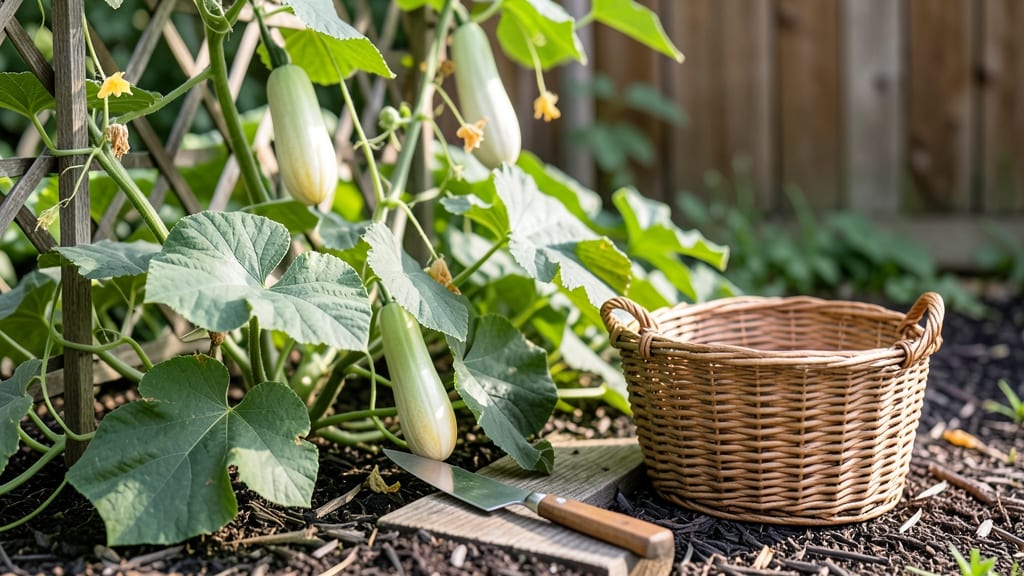
When is honeydew in season? The answer lies in late summer and early fall across most of North America, with regional variations determining the exact timing.
If you've ever bitten into a perfectly ripe honeydew melon and wondered when you can enjoy another—this guide reveals the exact seasonal windows for peak honeydew harvests across North America and beyond.
In warmer climates like Southern California or Florida, honeydew season stretches from June through September, while in cooler regions like the Pacific Northwest or Midwest, you’ll find them at their best from July to August.
Below, I’ll break down the ripeness cues to spot a honeydew at its sweetest, regional variations, and how to extend your season with storage tips so you can savor them long after harvest.
Honeydew season timeline by U.s. growing regions with exact months
Honeydew melons thrive in warm climates, but their ripening windows vary dramatically across the U.S. Understanding your region’s temperature triggers and daylight hours helps you plan for peak flavor. In Southern California and Arizona, honeydews ripen year-round, while Pacific Northwest gardeners enjoy a short summer window.
Let’s break down the exact months for each region to ensure you never miss harvest season.
Honeydews need consistent warmth (75-90°F) and 12+ hours of daylight to develop their signature sweetness. The blossom end (opposite the stem) turning yellow-brown is your first clue—paired with a creamy rind and sweet aroma.
Below, I’ve mapped out the ripeness windows by region, so you know when to expect melons at farmers markets or in your own garden.
In the Pacific Northwest, honeydews ripen in late July to early September when daylight stretches to 14-16 hours, but temperatures must stay above 70°F. I’ve seen gardeners in Portland use black plastic mulch to warm the soil faster—this can shave off 1-2 weeks from the ripening timeline.
The key is planting after Memorial Day when frost risks vanish.
For Southern California growers, the season is far more forgiving. Melons ripen from May through October, with peak sweetness in July and August when temperatures hit 85-95°F. I’ve noticed that greenhouse-grown honeydews in San Diego often ripen 2-3 weeks earlier than outdoor plants, thanks to extended daylight exposure.
If you’re in this region, you can even find winter-ripening varieties in specialty nurseries.
The Midwest offers a shorter but reliable window from mid-August to late September. Here, daylight hours begin declining after Labor Day, so melons must mature quickly. I recommend planting heat-tolerant varieties like ‘Earlidew’—they ripen in just 75 days, giving you a head start.
Watch for early September frosts and harvest before temperatures drop below 60°F at night.
Gardeners in the Southeast enjoy a longer harvest window (June-September), but high humidity can lead to powdery mildew if vines aren’t spaced properly. I’ve found that raising vines on trellises improves airflow and reduces disease risks.
The blossom end turns yellow-brown fastest in July when temperatures average 85°F, so that’s the best month to scout for ripe melons.
Regardless of your region, temperature consistency is critical. Honeydews need 5 consecutive days above 80°F to sweeten properly. If your summer brings heatwaves followed by cool snaps, consider using row covers to maintain warmth. And remember: overripe honeydews (skin too soft) can be blended into smoothies—never waste a melon!
Pro tip: If you’re in a cooler climate, try black plastic mulch or straw bales under vines to speed up ripening. I’ve seen this method add 10-14 days to the harvest window in Zone 5 gardens.
Pair this with drip irrigation to keep soil moisture steady—honeydews hate fluctuating water levels.
Now that you know the exact months for your region, mark your calendar for peak honeydew season! Whether you’re growing your own or hunting for the sweetest melons at the market, timing is everything. 🍈
How to identify perfectly ripe honeydew melons at farmers markets
Picking the perfectly ripe honeydew at your local farmers market can feel like finding a hidden treasure. These melons taste sweeter and juicier when harvested at peak ripeness, but many shoppers end up with underripe or overripe fruit.
I’ve learned to rely on four key indicators—color, scent, texture, and weight—to guarantee a melon that’s ready to eat or perfect for home ripening.
The blossom end (the opposite side of the stem) is your first clue. When ripe, it turns from white or pale green to a creamy yellow or light brown.
This color shift signals the melon’s sugars have fully developed. I always check this spot first—it’s the most reliable visual cue for ripeness.
Next, give the melon a gentle sniff near the stem. A ripe honeydew emits a sweet, musky aroma that’s unmistakable. If it smells neutral or sour, it’s not ready yet. Pro tip: Avoid melons with a fermented or alcohol-like scent—this means it’s overripe.
🌱 When Is Honeydew in Season?
- 📅 U.S. South: June–September (peak July–August)
- 📅 Pacific Northwest: July–September (cooler climates)
- 📅 Midwest: August–September (short season)
- 📅 Southern California: May–October (year-round in greenhouses)
- 📅 Northeast: July–August (late-season crop)
For texture testing, press your thumb near the blossom end. A ripe honeydew will feel slightly soft but not mushy. If it’s rock-hard or gives way too easily, it’s not ready.
I also check the stem area—it should separate cleanly from the vine when twisted gently. If it resists, the melon needs more time on the vine.
Finally, lift the melon to judge its weight. A ripe honeydew feels heavy for its size because it’s packed with juice. If it feels light, it’s likely underripe.
I’ve found that melons weighing 4–6 pounds tend to be the sweetest, but size isn’t the only factor—always combine weight with the other cues.
Knowing whether to buy a ready-to-eat honeydew or one for home ripening depends on your timeline. If you see a melon with creamy yellow skin and a sweet scent, it’s likely ready now.
For green or firm melons, bring them home and place them in a paper bag with a banana to speed up ripening. Check them daily until they’re perfect.
With these tricks, you’ll never leave the farmers market disappointed again. Next time, trust your senses—and your honeydew will thank you with every juicy bite! 🍈