
Vegetables
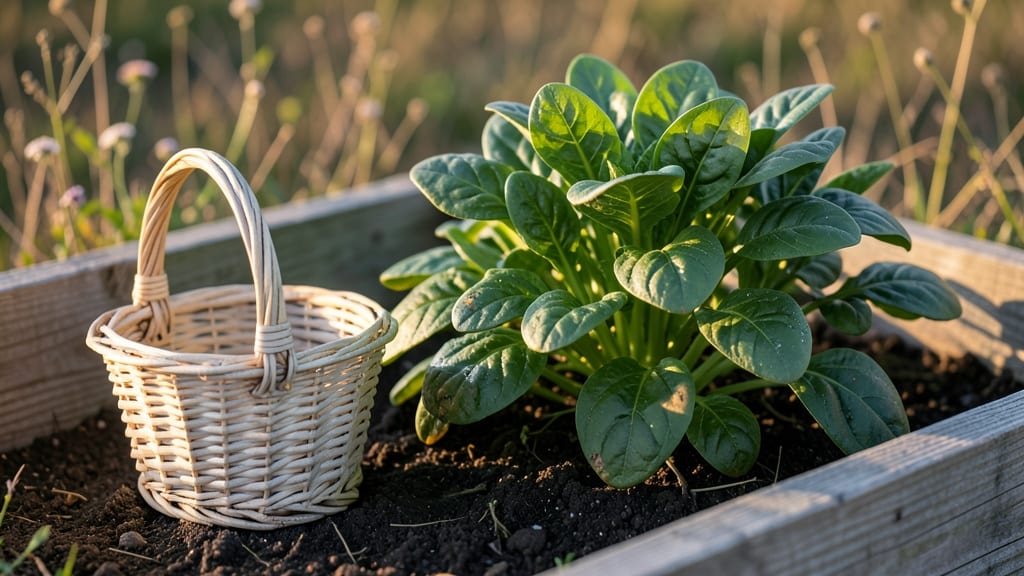
Spinach is in season during the cooler months of early spring and late fall, when temperatures stay mild and frost isn’t a threat to tender leaves 🍃.
If you’ve ever paid extra for wilted winter spinach at the store, you know the difference between fresh spring harvests and the sad, limp bags of off-season greens. The secret to the best flavor—and the best deals—is timing your garden or grocery runs to match spinach’s natural cycle.
From USDA Zone 6a (like much of the Midwest) to warmer climates, spinach thrives in spring and fall, with peak harvests just 6-8 weeks after planting. But with the right tricks, you can stretch that season longer than you’d expect—even in winter or summer, depending on your zone.
Below, I’ll break down the exact months to plant, harvest, and buy spinach for the freshest taste, plus how to keep your garden (or pantry) stocked year-round without sacrificing quality.
Spinach season by USDA plant hardiness zones: when to plant and harvest
Spinach thrives as a cool-season crop, making its growing windows highly dependent on your USDA hardiness zone. In zones 3-5, you can enjoy two full harvests—spring and fall—while gardeners in zones 6-10 may need to adjust timing to avoid summer heat stress.
Understanding these patterns helps you maximize yields and flavor, whether you're planting seeds or transplanting seedlings.
As a fast-maturing vegetable (ready in 30-60 days), spinach rewards precise timing. Plant too early in warm zones, and bolting (flowering prematurely) ruins your crop. Plant too late in cold zones, and frost stunts growth.
The key lies in aligning your planting with average last frost dates and leveraging spinach's frost tolerance—it actually tastes sweeter after light freezes!
| USDA Zone | Spring Planting Window | Fall Planting Window | Harvest Peak | Zone-Specific Tip |
|---|---|---|---|---|
| 3-5 | March 15 - April 15 | August 1 - September 1 | May-June & Oct-Nov | Use row covers for early spring starts |
| 6-7 | April 1 - May 1 | July 15 - August 15 | May-June & Sept-Oct | Choose heat-tolerant varieties like 'Tyee' |
| 8-9 | September 15 - October 15 | March 1 - April 15 | Oct-Nov & March-April | Grow in partial shade during summer |
| 10 | September 1 - October 1 | January 15 - February 15 | Oct-Nov & Feb-March | Use drip irrigation to prevent bolting |
In zones 3-5, where winters are harsh, focus on early spring plantings (March-April) and late summer sowings (August-September). These windows ensure your spinach matures before summer heat or winter frost arrives.
For example, in zone 4, planting on April 1 typically yields harvests by early June, while a September 1 planting produces fall greens until October.
Gardeners in zones 6-7 have more flexibility but must avoid summer heat. Plant spring crops in April-May and fall crops in July-August. The trick is to time your fall planting so spinach reaches maturity before consistent nighttime temperatures above 70°F, which triggers bolting.
In zone 7, aim for a July 15 start to harvest by September.
For zones 8-10, spinach becomes a winter crop. Plant in late summer/fall (September-October) for winter harvests, then repeat in early spring (January-February). In zone 9, you can even enjoy year-round production by staggering plantings every 2-3 weeks.
Just be prepared to provide light shade during summer months to prevent bolting.
All spinach varieties share similar harvest timing: 30-60 days from seed. However, baby leaf varieties like 'Baby's Leaf Hybrid' mature in just 25-30 days, while mature leaf types like 'Bloomsdale Long Standing' take closer to 50-60 days.
To extend your harvest, practice successive planting every 2 weeks—this ensures a steady supply of fresh leaves.
One common mistake is assuming spinach can handle direct summer sun. While it tolerates partial shade, prolonged heat (above 80°F) causes bitter flavors and bolting. In hot zones, opt for shade cloth or grow spinach under dappled tree shade.
Even in cooler zones, afternoon shade helps maintain tender leaves during late spring warmth.
Pro tip: Use mulch to regulate soil temperatures. A 2-inch layer of straw keeps roots cool in summer and insulates against winter frost. This simple technique can extend your spinach season by 2-4 weeks at both ends.
Pair it with consistent moisture (1 inch per week), and you'll reward yourself with crisp, sweet spinach for months.
Remember that spinach's flavor peaks when grown in cool conditions. The fresher you eat it after harvest, the better it tastes. For maximum sweetness, harvest in the morning after dew has dried but before the sun intensifies. Store harvested leaves in
Best months to buy store-bought spinach vs. growing your own
Spinach thrives in cool weather, so store-bought availability peaks during spring (March-May) and fall (September-November). Prices spike in winter when supply dwindles, while summer spinach often comes from imported or greenhouse-grown sources, which may compromise freshness and flavor.
Growing your own spinach gives you control over seasonal timing and quality. Unlike store-bought, homegrown spinach lets you harvest at peak tenderness, avoiding the bitterness that sometimes develops in older grocery leaves. Plus, you can extend your harvest well beyond what stores offer.
For colder climates (USDA zones 3-6), use row covers or cold frames to extend harvests into late fall and early spring. Varieties like 'Winter Bloomsdale' tolerate light frosts, while 'Tyee' handles heat better than most, allowing summer harvests in cooler regions.
If you live in warmer zones (7-10), focus on fall planting to avoid summer's heat stress. Start seeds in late summer (August-September) for a harvest before winter sets in. This strategy mirrors natural seasonal patterns while giving you fresher, more flavorful leaves than store-bought options.
Pro tip: Store-bought spinach's peak freshness window is just 2-3 weeks post-harvest. Homegrown spinach stays crisp for weeks when harvested properly—cut outer leaves first to encourage continuous growth. This makes homegrown the clear winner for both cost savings and quality.
With the right varieties and techniques, you can enjoy homegrown spinach year-round, regardless of what stores have in season. The key is matching your growing methods to your climate's natural patterns while working with—not against—them. 🌱