
Pests and Diseases
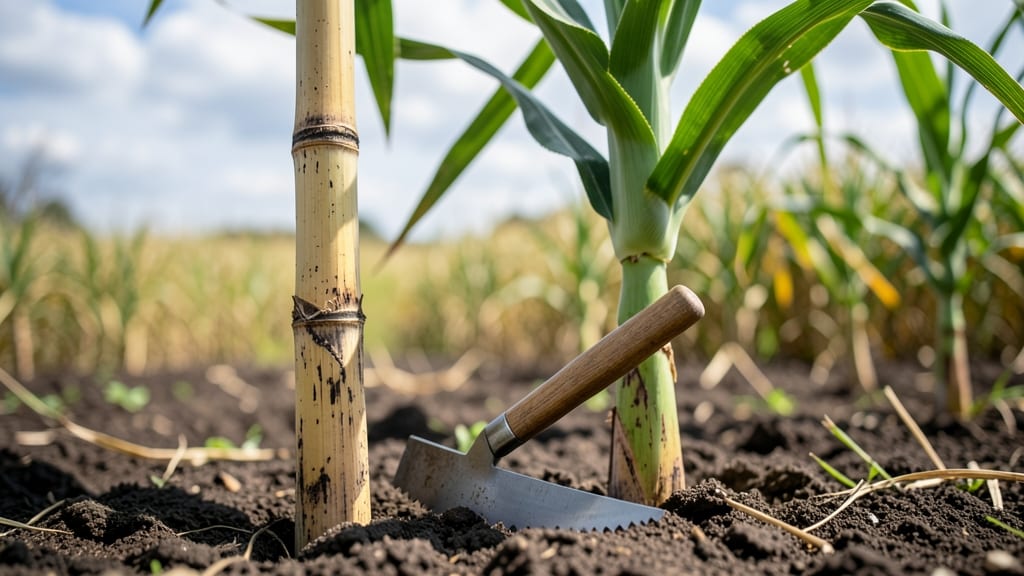
Sugarcane season depends entirely on your climate zone — tropical growers plant year-round, while subtropical gardeners wait for spring warmth to avoid frost.
Picture this: you’ve spent months nurturing your 🌱 sugarcane, only to harvest stalks that are woody or underripe because you planted at the wrong time. That’s why knowing the exact window for your region isn’t just helpful—it’s critical for sweet, harvestable yields.
In tropical zones like Florida or India, sugarcane thrives with spring planting and can be harvested in summer or fall, depending on rainfall. But in cooler subtropical areas, planting too early risks frost damage, while waiting too long shortens the growing season.
The difference between a bountiful harvest and a wasted crop often comes down to these month-by-month timing rules.
Below, I’ll break down the ideal planting and harvest months for your specific climate, plus how to adjust for early or late seasons to maximize sweetness and stalk thickness.
Sugarcane planting season by climate zone: exact months for optimal growth
Sugarcane thrives in warm climates, but the best planting months vary dramatically depending on your climate zone.
In tropical regions like Brazil or Florida, you can plant year-round, while subtropical zones (e.g., India or Hawaii) have distinct wet/dry seasons. Temperate climates (like parts of California or Australia) require precise timing to avoid frost damage. Let’s break down the exact windows for each zone.
For tropical climates, sugarcane grows fastest during the wet season, when temperatures stay above 75°F (24°C) and rainfall is consistent. In subtropical zones, planting aligns with the start of monsoons or summer rains, typically between March and June.
Meanwhile, temperate growers must plant after the last frost, usually in late spring (April–May), to ensure stalks mature before winter.
Soil temperature is critical—sugarcane roots need 60°F (15°C) to germinate, but optimal growth occurs at 80°F (27°C) or higher. In cooler regions, use mulch or row covers to maintain warmth. Below, find a zone-specific planting calendar with exact months and soil prep tips.
Here’s a quick reference for planting windows by climate zone, including regional examples:
| Climate Zone | Best Planting Months | Soil Temp Requirement | Regional Example | Harvest Window |
|---|---|---|---|---|
| Tropical | Year-round (peak: wet season) | 60°F+ (15°C+) | Brazil (May–Oct), Florida (year-round) | 12–18 months after planting |
| Subtropical | March–June (pre-monsoon) | 70°F+ (21°C+) | India (June–July), Hawaii (Apr–May) | 15–20 months |
| Temperate | April–May (after frost) | 65°F+ (18°C+) | California (Apr), Australia (Oct–Nov) | 18–24 months |
In tropical zones, like Florida or Thailand, sugarcane can be planted anytime, but yields are highest during the wet season. For example, in Brazil’s São Paulo state, farmers plant in May–October to align with rainfall. Use drip irrigation to supplement dry spells, even in tropical areas.
For subtropical climates, such as India or Puerto Rico, timing is tied to the monsoon cycle. Plant 4–6 weeks before rains begin to give roots time to establish.
In India’s Maharashtra region, planting starts in June, with harvests stretching into the next year. Avoid planting during peak monsoons, as waterlogged soil stunts growth.
In temperate zones, like Southern California or parts of Australia, frost is the biggest risk. Plant after the last frost date, typically in April–May, and use black plastic mulch to retain heat.
In Australia’s Queensland, growers plant in October–November to harvest before winter chill sets in.
Pro tip: Soil preparation matters just as much as timing. Test your soil’s pH (6.0–7.5 ideal) and amend with compost or lime if needed. In sandy soils, add organic matter to retain moisture; in clay soils, mix in perlite for drainage.
A well-prepared bed ensures faster germination and stronger stalks.
If you’re in a transition zone (e.g., Northern Florida or Southern Texas), opt for early-season varieties like ‘CP 70-321’, which mature faster. These can be planted in February–March for a fall harvest, avoiding summer heat stress. Always check local agricultural extension services for microclimate advice.
Finally, remember that harvest timing depends on planting date. Most sugarcane takes 12–24 months to mature, but tropical varieties may ready in as little as 10 months.
Watch for stalk thickness (2+ inches) and leaf color (deep green to purple) to confirm readiness. Miss the window, and you’ll sacrifice sweetness and yield.
With the right timing, your sugarcane can produce juicy stalks year-round—whether you’re in a steamy jungle or a sunny subtropical garden. Start with the zone-specific months above, and adjust based on your local weather patterns. Happy planting!
How to determine your local sugarcane harvest season based on planting date
Timing your sugarcane harvest correctly ensures maximum sucrose content and stalk quality. Unlike many crops, sugarcane takes 12–24 months to mature, depending on your climate zone.
Knowing your planting date is the first step to pinpointing the perfect harvest window—because harvesting too early means low sweetness, while waiting too long risks stalk deterioration.
Your harvest season hinges on three key factors: growth stage indicators, local climate patterns, and the specific sugarcane variety you’re cultivating.
For example, tropical varieties like Co 86032 mature faster (around 12 months) compared to subtropical types such as CP 77-400, which may take 18–24 months. Let’s break down how to calculate your exact harvest window using a simple, step-by-step method.
Step-by-Step Guide to Determine Sugarcane Harvest Season
- 1 Record your planting date and note the sugarcane variety. Tropical varieties mature in 12–18 months, while subtropical types take 18–24 months. Example: If you planted Co 86032 on March 15, your harvest window opens around March 2024.
- 2 Monitor stalk thickness—ready stalks should reach 2–3 inches in diameter. Use a ruler to measure at the base. Thin stalks (1 inch) aren’t mature enough, while overly thick stalks (> 3.5 inches) may have reduced sucrose levels.
- 3 Check leaf color: Mature leaves should turn from green to yellowish-green at the base. If leaves remain deep green, the cane isn’t ready. Overly brown or dry leaves signal delayed harvest—act quickly to avoid stalk deterioration.
- 4 Test sucrose content by crushing a small stalk section. Sweet-smelling juice with a thick, syrupy consistency confirms readiness. Watery juice means wait 2–4 more weeks, while fermented or sour smells indicate the cane is overripe.
- 5 Assess stalk firmness: Press the stalk gently—it should yield slightly but not feel mushy. A firm stalk that doesn’t dent is underripe, while a soft, spongy stalk is past its prime. Aim for a balanced firmness with a slight give.
- 6 Verify stalk separation: Snap a stalk near the base—it should break cleanly with minimal resistance. If stalks bend without snapping, they’re immature. Overly brittle stalks suggest delayed harvest and potential sucrose loss.
- 7 Factor in climate: Harvest before monsoon rains (if in tropical zones) or frost risk (subtropical/temperate). In Florida or Louisiana, aim for late fall; in India or Brazil, target the dry season (November–February) to avoid moisture-related spoilage.
Once you’ve confirmed all harvest readiness signs, act within 1–2 weeks to avoid quality loss. Sugarcane’s sucrose levels peak at maturity but decline rapidly if left in the field.
For example, in Hawaii’s tropical climate, I harvest Co 86032 in October–November when stalks are thick, leaves yellow at the base, and juice tests syrupy. Adjust your timeline based on your local growing conditions—patience pays off with sweeter, higher-yield stalks!
Pro tip: Keep a harvest journal to track planting dates, stalk measurements, and sucrose tests. Over time, you’ll refine your timing for consistently perfect harvests. 🌱