
Blooming
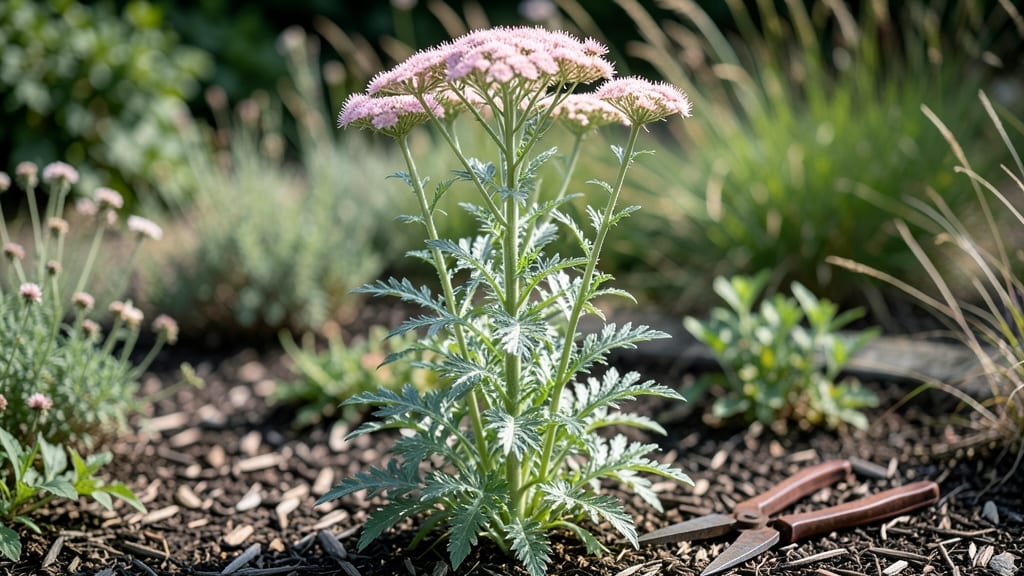
The yarrow bloom season stretches from June through October, when its flat-topped clusters of tiny flowers in white, yellow, pink, or deep red dance in the breeze from early morning until late afternoon, their fern-like foliage shimmering. 🌸 adding texture even when not in bloom.
The key to keeping yarrow flowering reliably? Pruning spent blooms and giving it full sun. The plant thrives in USDA Zones 3-9, but cooler climates push blooms later, while warmer zones may see flowers as early as May.
In my Zone 6 garden, the first flush arrives in late June, and with deadheading, it keeps producing until frost. Drought-tolerant once established, yarrow rewards minimal care with maximum impact—perfect for pollinator gardens or cutting arrangements.
Strategic pruning extends the season: snip back faded blooms to encourage new growth, and trim the whole plant by one-third in early spring. The result? A second wave of flowers in late summer, and sometimes even a light dusting of blooms in fall.
Pair it with lavender or catmint for a fragrant, low-maintenance border that never looks tired. Whether you’re using it as a border plant, in wildflower meadows, or as a cut flower, yarrow’s long bloom season makes it a standout. The secret?
Treat it right, and it’ll reward you with color from early summer well into autumn.
📚 In This Guide
- What you need
- Instructions
- Tips and common mistakes
- Wrapping up and next steps
What you need
- ● Yarrow plants (Achillea spp.) – Healthy, established plants (3+ years old for best results). Choose varieties like ‘Moonshine’ or ‘Paprika’ for vibrant blooms.
- ● Sharp pruning shears – Bypass pruners (4–6" blade) for clean cuts. Sterilize with rubbing alcohol before use!
- ● Gardening gloves – Heavy-duty (e.g., Fiskars or Warrior brand) to protect hands from thorns.
- ○ Pruning saw (optional but helpful) – For thicker stems (½" diameter or larger).
- ● Compost or mulch – 2–3 gallons per plant to replenish nutrients post-pruning.
- ● Watering can or hose with nozzle – 1–2 gallons of water per plant after trimming.
- ● Label markers – If tracking multiple yarrow varieties (e.g., ‘Terracotta’ vs. ‘Summer Wine’).
- ● Fertilizer – Balanced 10-10-10 or slow-release granules (1 tbsp per plant) to boost regrowth.
- ● Plant food spray – For a quick nutrient boost (e.g., Fish emulsion diluted to 1:10 ratio).
- ● Pruning sealant – Only if cutting into woody stems (e.g., Tree Seal Tape for large cuts).
- ● Camera or phone – To document your yarrow’s progress before/after pruning!
- ● Knee pads – For comfort if working in large garden beds.
Instructions for extending yarrow bloom season through pruning
Here’s how I keep my yarrow flowering nonstop—no fancy tricks, just smart timing and a few sharp cuts.
✂️ Step 1: First Cut After Initial Bloom
Once your yarrow’s first flush of flowers fades—usually 6-8 weeks after planting—trim back the spent blooms by ⅓ of the plant’s height. I use clean, sharp pruners to avoid crushing stems, which makes the plant look ragged. This isn’t about removing all flowers; it’s about telling the plant, “Hey, you’ve done your job—time to regrow.”
Watch for new side shoots emerging from the base within 10-14 days. These will produce your second round of blooms. If you skip this cut, the plant puts all its energy into seed production, and you’ll lose that second flush entirely.
🌱 Step 2: Light Pruning for Mid-Season Renewal
About 8-10 weeks after the first cut, you’ll see the second bloom cycle starting to fade again. This time, trim back just the top third of the plant—don’t go as deep as the first cut. Yarrow’s tough, but over-pruning stresses it, and you’ll get leggy growth instead of fresh blooms.
I like to do this on a cloudy day when the plant isn’t sweating water. The less stress from heat or wind, the faster it recovers. After this cut, you’ll get a third, smaller bloom cycle that lasts through late summer or early fall, depending on your climate.
☀️ Step 3: Late-Season Prep for Next Year
Once temperatures drop below 50°F at night and the last blooms fade, give your yarrow one final haircut. Cut back the entire plant to 4-6 inches tall, but leave the basal rosette intact. This prevents winter dieback and ensures fresh growth in spring.
I mulch lightly with 2-3 inches of straw or shredded leaves to protect the crown from freezing. The key here is not to remove all foliage—yarrow’s evergreen in mild winters, and the old stems provide some insulation. In colder zones, a thin layer of burlap over the crown adds extra protection.
⏰ Step 4: Year-Round Maintenance Checkpoints
Every 4-6 weeks, scan your yarrow for leggy stems or bare spots. If you see a stem stretching too tall without flowers, snip it back to encourage bushier growth. Deadhead any spent blooms immediately—they sap energy that could go toward new flowers.
Water deeply but infrequently—yarrow’s drought-tolerant, and overwatering causes rot. I only water when the soil feels bone-dry 2 inches down. Fertilizer? Skip it. Yarrow thrives in lean soil, and too much nitrogen makes it floppy instead of flowering.
Tips & tricks for year-round yarrow blooms
Smart pruning is the secret to keeping yarrow flowering like clockwork. Here’s how to avoid common pitfalls and get the most vibrant blooms possible.
Timing is Everything: The 6-8 week window for your first cut is critical—don’t wait until the flowers are completely brown. At this stage, the plant has already put energy into seed production, and you’ll miss the second bloom cycle. I mark my calendar so I don’t forget this key moment. The same goes for the 8-10 week mark for your second cut; consistency is what keeps yarrow producing flowers.
Tool Matters: Sharp pruners aren’t just about clean cuts—they prevent crushing stems, which makes your yarrow look messy. I keep a pair of clean, sharp pruners dedicated just to my yarrow plants. Dull tools tear the stems, inviting disease and slowing recovery. Sterilize your pruners with rubbing alcohol between cuts if you’re working with multiple plants.
Weather Wisdom: That 50°F nighttime temperature threshold for your final cut isn’t arbitrary—it’s when yarrow naturally slows growth. Pruning at this point prevents winter dieback while still allowing the plant to harden off. I always check the forecast before doing this cut, especially in transitional seasons when temperatures can swing wildly.
Seasonal Adjustments: In colder climates, the 2-3 inches of mulch recommendation is non-negotiable. I’ve seen yarrow crowns freeze and die when left exposed to harsh winters. For extra protection in Zone 5 and below, add a thin layer of burlap over the crown after mulching. In milder climates, you can skip the burlap entirely—yarrow’s naturally tough and will handle winter just fine with mulch alone.
Pro Tips for Yarrow Bloom Season
- Smart pruning is the secret to keeping yarrow flowering like clockwork.
- Timing is Everything: The 6-8 week window for your first cut is critical—don’t wait until the flowers are completely brown.
- Tool Matters: Sharp pruners aren’t just about clean cuts—they prevent crushing stems, which makes your yarrow look messy.
Frequently asked questions
Got questions about yarrow’s stunning bloom season? Whether you’re a first-time gardener or a seasoned green thumb, these answers will help you make the most of this hardy perennial’s vibrant displays—year after year!
When is the best time to prune yarrow to encourage longer bloom seasons?
Prune yarrow after its first flush of blooms (late spring to early summer) to promote a second, often even more abundant, flowering in late summer or fall. Cut back one-third of the stems, leaving healthy foliage. Avoid heavy pruning in fall—just tidy up dead growth to prep for winter.
How do I know if my yarrow is blooming at the right time?
Yarrow typically blooms in late spring to early summer (May–June) and again in late summer to fall (August–October). If blooms are sparse, check for overcrowding, poor soil, or lack of sunlight. Pro tip: Deadhead spent flowers to redirect energy to new growth!
Can I extend yarrow’s bloom season by cutting it back?
Light pruning (removing 1–2 inches of stems) after the first bloom encourages a second wave. For a year-round display, shear back hard in early spring (before new growth) to stimulate fresh, vibrant foliage. Just avoid pruning when buds are forming!
What should I do if my yarrow isn’t blooming at all?
Lack of blooms often signals over-fertilization (yarrow thrives in lean soil) or too much shade. Ensure it gets full sun (6+ hours/day) and well-draining soil. If stems are leggy, prune aggressively in spring to encourage bushier growth. Bonus: Divide clumps every 3–4 years to rejuvenate plants!
Are there yarrow varieties that bloom later in the season?
Yes! ‘Moonshine’ and ‘Silver Mist’ varieties often bloom later into fall, while ‘White Plume’ extends its display with frost-resistant flowers. For continuous color, mix varieties with staggered bloom times—like pairing yarrow with sedum or asters.
Wrapping up and next steps
Yarrow’s bloom season is a beautiful reminder of nature’s resilience—and with the right pruning strategies, you can enjoy its fragrant charm year-round! 🌿 Whether you’re a seasoned gardener or just starting, the key is timing, technique, and consistency.
By deadheading spent blooms, shaping strategically, and protecting against winter’s chill, you’ll keep your yarrow thriving and bursting with color.
Ready to elevate your garden game? Grab your pruners, mark your calendar for seasonal cuts, and watch your yarrow flourish like never before. Start small—just one plant—and let the magic unfold! 🌸