
Flowers
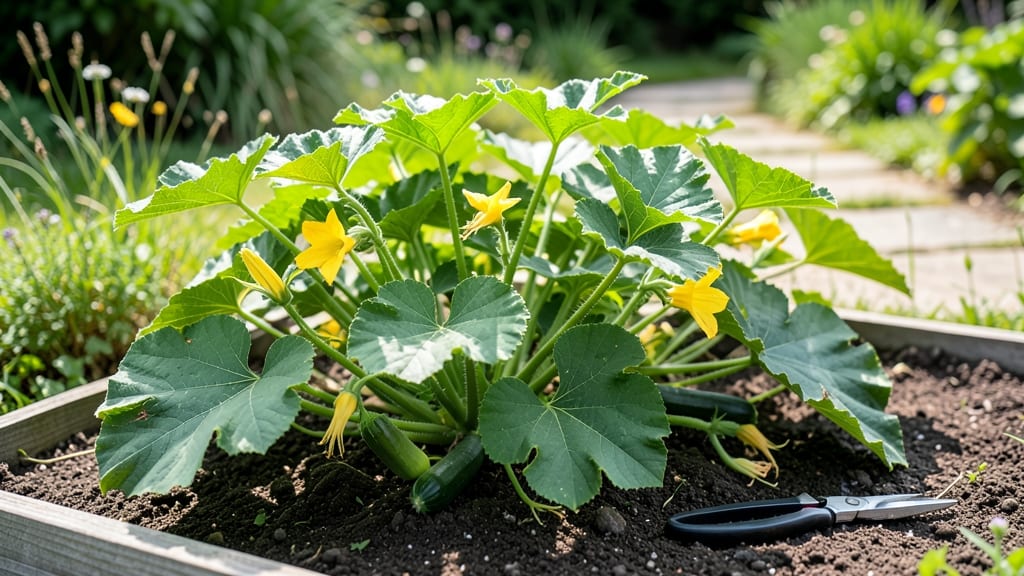
Zucchini flowers burst into season when summer finally arrives—that’s when their delicate, golden petals transform your garden into a culinary treasure trove. 🌻 I remember the first time I plucked one, still damp with morning dew, and realized it wasn’t just pretty—it was edible.
These blooms peak in July and August in most regions, but heatwaves or heavy rain can cut their lifespan short, so timing matters. The magic happens when you harvest them early in the morning, before the sun wilts the petals.
A quick rinse and pat dry, then you’ve got the star of Italian caponata or tempura—crispy when fried just right. The flavor? A perfect blend of sweetness and subtle bitterness, like a summer kiss from your own backyard.
What makes this season special is how quickly the garden responds: harvest flowers regularly, and you’ll get more fruit later. The flowers themselves are pollinated by bees, but if you’re growing in a greenhouse or urban space, a gentle hand-pollination with a paintbrush ensures both blooms and zucchini keep coming.
Works best in zones 3-11, though cooler climates may see a shorter season. Southern gardeners? Watch for afternoon wilting—shade cloth helps. Here’s how to make the most of your blooming bounty before the season slips away.
📚 In This Guide
- What you need
- Instructions
- Tips and common mistakes
- Wrapping up and next steps
What you need
- ● Fresh zucchini flowers – Harvest 8–12 fully bloomed flowers (pick in the morning for peak freshness). Look for vibrant, unblemished blooms with tightly closed petals.
- ● All-purpose flour – ½ cup (for a light, crispy batter). Sift for a smooth texture.
- ● Eggs – 1 large egg (for binding). Room temperature works best!
- ● Salt – ½ teaspoon (enhances flavor and texture).
- ● Neutral oil – 2–3 cups (vegetable, canola, or peanut oil for frying at 350°F (175°C)).
- ● Paper towels – For draining excess oil.
- ● Slotted spoon or tongs – For easy frying and serving.
- ● Lemon zest or juice – Brightens the flavor of the batter.
- ● Garlic powder or dried herbs – ¼ teaspoon (try thyme, parsley, or oregano).
- ● Cornstarch – 1 tablespoon (mixed with flour for extra crispiness).
- ● Cast-iron skillet or deep fryer – For even frying (a heavy-bottomed pan works too!).
- ● Honey or balsamic glaze – For drizzling post-fry (trust us, it’s chef’s kiss!).
How to harvest and prepare zucchini flowers for crispy-fried delights
Here's the simple, foolproof way to turn your garden's bounty into golden, crispy edible blooms.
🌿 Step 1: Identify and Select Perfect Flowers
Pick flowers in the morning after dew has dried but before the heat of the day—this keeps them crisp. Look for fully open male flowers (they have long stems and no tiny zucchini at the base) with vibrant yellow petals. Gently twist the stem at the base until it snaps cleanly; don't tug or you'll damage the plant.
I always check for tiny insects hiding in the blossoms—just give them a quick rinse under cool water and pat dry with a paper towel. The fresher the flower, the crispier your final result. You'll need about 4 large blooms to yield enough for a satisfying crispy batch.
☀️ Step 2: Prep Flowers for Maximum Crispiness
Remove any remaining green stems and sepals (the little green bits at the base of the petals) with clean kitchen scissors. These parts stay tough even when cooked. Arrange the petals flat on a paper towel, slightly overlapping, and let them dry completely for 1-2 hours. This step is crucial—moisture makes them soggy instead of crisp.
While they dry, preheat your oven to 375°F and line a baking sheet with parchment paper. The higher the heat, the quicker they crisp without burning. Pro tip: I like to sprinkle a pinch of salt on the dried petals right before baking—it enhances the natural sweetness of the flowers.
🍳 Step 3: Bake Until Golden and Crisp
Place the dried petals in a single layer on the baking sheet, leaving space between them so they don't steam. Bake for 8-10 minutes, checking every 2 minutes after the first 5. They're done when edges turn golden brown and the centers still feel slightly soft to touch—like a perfect chip.
Remove immediately and let cool on a wire rack. The flowers will crisp up more as they cool. If any seem underdone, return to the oven for 1-2 minutes until perfectly crisp. Store in an airtight container for up to 3 days, but I always eat them fresh—they lose crispness fast.
💧 Step 4: Fry for Extra Crunch (Optional)
For the ultimate crispy texture, heat ½ inch of oil (vegetable or sunflower works best) in a small skillet over medium-high heat until shimmering. Working in batches, fry the baked petals for 30-45 seconds until edges bubble and turn deeper gold. Drain on paper towels immediately—any lingering oil will make them greasy.
Sprinkle with flaky sea salt while still warm. These fried blooms stay crisp for 24 hours if stored in a single layer in an airtight container. Serve as a garnish for salads, a snack with honey, or sprinkled over pasta for a floral touch.
Tips & tricks for perfect crispy zucchini flowers
Here's what nobody tells you about turning delicate blossoms into irresistible edible treats.
Timing Secret: The 1-2 hour drying time in Step 2 is non-negotiable for crispiness. I learned this the hard way after trying to rush it—moisture turns these into sad, limp petals instead of crispy delights. Set a timer and resist the urge to peek! If you're short on time, you can reduce drying to 45 minutes, but you'll sacrifice some crispness.
Heat Control: At 375°F, your oven should create that perfect golden crust without burning. If you notice browning too quickly in Step 3, reduce heat to 350°F and check every 1 minute instead of every 2. The goal is edges that look like perfect chips while centers stay tender. Watching for that color change is like a game of patience—too soon and they're pale, too late and they burn.
Storage Wisdom: The 3-day storage window is tight, but you can extend it slightly by storing the baked petals in a single layer in an airtight container with a piece of bread. The bread absorbs moisture and keeps them crisp longer. For the fried version, the 24-hour window is firm—after that, they'll start to soften no matter what you do. Eat them fresh whenever possible!
Pro Tips for Zucchini Flowers In Season
- Here's what nobody tells you about turning delicate blossoms into irresistible edible treats.
- Timing Secret: The 1-2 hour drying time in Step 2 is non-negotiable for crispiness.
- Heat Control: At 375°F, your oven should create that perfect golden crust without burning.
Frequently asked questions
Got questions about zucchini flowers? You’re not alone—these delicate blooms spark curiosity! Here are answers to the most common queries, from timing to troubleshooting, so you can confidently forage, cook, or grow your own.
When is the best time to harvest zucchini flowers?
Pick zucchini flowers in the morning after dew dries but before the sun peaks (around 8–10 AM). Choose fully open blooms with vibrant petals—male flowers (long stems, no zucchini at the base) are ideal for frying or stuffing. Avoid overripe or wilted flowers; they lose crispness and flavor quickly. Pro tip: Harvest every 2–3 days to encourage more blooms!
How long do zucchini flowers stay fresh?
Store unwashed flowers in a paper towel-lined container in the fridge for up to 2–3 days. For longer storage, blanch and freeze them (dip in boiling water for 30 seconds, then ice bath). Avoid plastic bags—they trap moisture and speed up spoilage. Never refrigerate if you plan to fry them the same day; let them sit at room temp for 30 minutes first for the crispiest texture!
Can I eat zucchini flowers if I don’t have a garden?
Check farmers' markets (especially in summer) or CSA programs—many sell them fresh. If foraging wild, only pick from pesticide-free gardens (like organic farms) and confirm the plant is zucchini (no green stems or bitter taste). Never harvest from roadsides or sprayed fields. Alternative: Substitute with squash blossoms or daylily flowers (edible but milder in flavor).
Why did my fried zucchini flowers turn soggy?
Soggy flowers usually mean one of three things:
- Overcrowding the pan—fry in batches so they sizzle, not steam.
- Skipping the cornstarch step—toss petals in 1–2 tbsp cornstarch before frying for extra crispiness.
- Undercooking—golden brown takes 1–2 minutes per side; drain on a wire rack (not paper towels) to retain crunch.
Are zucchini flowers safe for pets?
No! While zucchini vegetables are pet-safe in small amounts, zucchini flowers can be toxic due to mild pesticides, latex compounds, or allergens. Symptoms in pets may include drooling, vomiting, or diarrhea. Keep blooms out of reach and consult a vet if ingestion occurs. Stick to pet-friendly treats like carrots or pumpkin instead!
Wrapping up and next steps
Zucchini flowers in season aren’t just a gardener’s delight—they’re a culinary treasure waiting to be savored! 🌸 Whether you’re frying them up for a crispy snack, stuffing them with herbed cheese, or simply admiring their fleeting beauty, these edible blooms bring a touch of magic to your plate.
Their delicate flavor and seasonal charm make them a must-try for food lovers and foragers alike.
Ready to dive in? Start small—pick a few blooms from your garden or a trusted farmer’s market, then experiment with recipes that excite you. Who knows? You might just discover your new favorite way to enjoy summer’s sweetest surprises!