
Tools
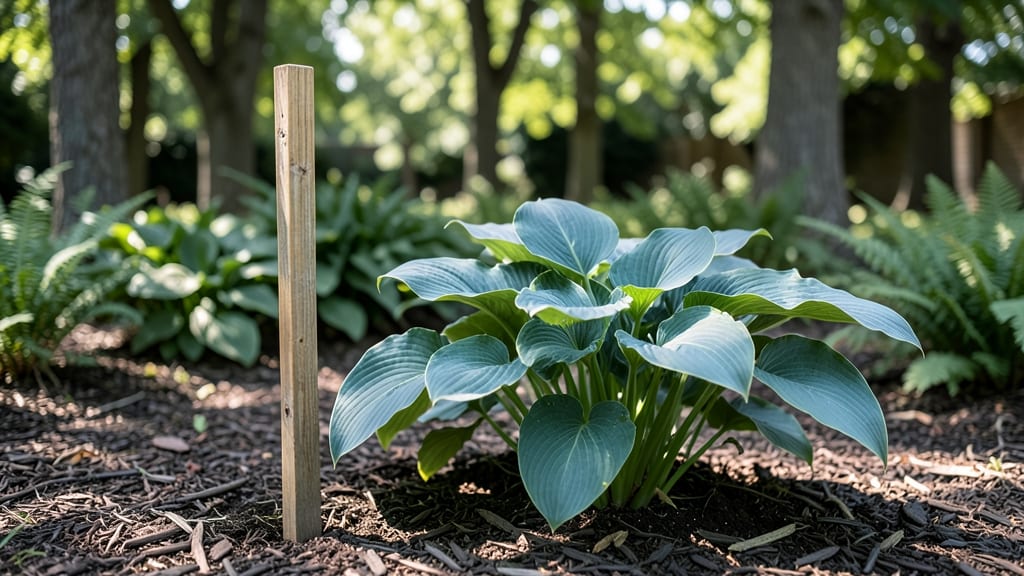
My 3 season perennial garden plans took shape after I realized how much time I wasted on annuals that fizzled by October—now my garden thrives from spring through fall with no summer slump in sight. 🌿 The right mix of plants delivers color, texture, and structure with almost no upkeep once established.
Start with layered planting: tall grasses (like feather reed grass) for drama, mid-height bloomers (coneflowers, black-eyed Susans), and low-growing foliage (heuchera, creeping thyme) for ground cover.
My favorite combo includes early spring blooms (bleeding heart), summer stars (daylilies), and fall fireworks (sedum and asters)—all thriving in zones 4-8 with minimal fuss.
You’ll spend less than 2 hours per season on maintenance—just deadheading spent blooms and occasional mulching. The payoff? A garden that feels lush and intentional without the annual replanting headache. Plus, pollinators will visit all season long.
Works for small city patios or spacious backyards—just adjust plant spacing. Here’s how to map it out without overcomplicating things.
📚 In This Guide
- What you need
- Instructions
- Tips and common mistakes
- Wrapping up and next steps
What you need
- ● Perennial plants: Choose a mix of hardy varieties for your climate (e.g., coneflowers, black-eyed Susans, sedum, hostas, and ornamental grasses). Aim for 5–10 plants per square foot for full coverage.
- ● High-quality soil: 50–100 lbs of compost or well-aged manure to enrich garden beds.
- ● Mulch: 2–3 cubic yards of wood chips or shredded bark (3–4 inches deep) to retain moisture and suppress weeds.
- ● Hand trowel (for precise planting)
- ● Garden fork (for aerating soil)
- ● Pruners (sharp, bypass-style for clean cuts)
- ● Wheelbarrow (for hauling soil/mulch)
- ● Watering can or hose with nozzle (for gentle hydration)
- ● Measuring tape & string (for layout planning)
- ● Soil test kit (to check pH/nutrient levels)
- ● Slow-release fertilizer (e.g., osmocote)
- ● Garden gloves (for comfort)
- ● Knee pads (for long planting sessions)
- ● Drip irrigation system (for low-maintenance watering)
Step-by-step design for a low-maintenance 3-Season perennial garden
Here’s how to create a vibrant garden that thrives from spring through fall with plants that handle themselves once established.
🌱 Step 1: Choose the Right Perennial Mix for Your Climate
Select perennials that bloom in staggered seasons—early spring, mid-summer, and fall—to ensure continuous color. I recommend pairing heuchera (spring foliage), coneflowers (summer blooms), and sedum (fall color) for a foolproof combination. Check your USDA hardiness zone to ensure plants survive winter; most perennials thrive in zones 5-9 with minimal fuss.
For shade gardens, opt for hostas (spring), astilbes (summer), and heucheras (fall). Sun-loving gardens shine with black-eyed Susans, Russian sage, and goldenrod. Avoid planting all sun-lovers together—they’ll compete for resources and leave gaps in your design.
☀️ Step 2: Plan for Height and Layering
Arrange plants in tiers: tallest in back (like Shasta daisies at 3-4 feet), mid-height in the middle (such as catmint at 2 feet), and low growers in front (like creeping thyme at 6 inches). This creates depth and prevents smaller plants from getting lost. Sketch a rough layout before digging—it’s easier to adjust on paper than in the ground.
Leave 18-24 inches between medium plants and 2-3 feet between tall perennials. Crowding leads to disease and weak stems. I like to group plants by water needs—drought-tolerant sedums together, thirsty astilbes near a hose bib—to simplify irrigation later.
💧 Step 3: Amend Soil and Plant for Long-Term Success
Test your soil’s pH (most perennials prefer 6.0-7.0) and amend with 2-3 inches of compost mixed into the top 12 inches of soil. Perennials hate soggy roots, so if your soil drains poorly, add sand or perlite to improve aeration. A soil test costs $20 and saves years of frustration—don’t skip it.
Dig holes twice as wide as the root ball but only as deep. Place the plant so the top of the root ball sits flush with the soil line—burying stems too deep causes rot. Water deeply after planting to eliminate air pockets, then mulch with 2-3 inches of shredded bark to retain moisture and suppress weeds.
✂️ Step 4: Prune Strategically for Seasonal Renewal
Cut back dead or damaged foliage in early spring before new growth appears. For grasses like switchgrass, I wait until late winter to trim—leaving seed heads over winter adds texture and feeds birds. Avoid heavy pruning in fall; most perennials need their foliage to photosynthesize until frost.
Divide clumps every 3-4 years in early spring or fall to rejuvenate plants. Dig up the entire clump, separate the roots with your hands, and replant the healthiest sections. This prevents overcrowding and keeps blooms vibrant. I mark dividing spots with flags so I don’t forget!
🌿 Step 5: Feed and Mulch for Effortless Growth
Apply a slow-release fertilizer (like 10-10-10) in early spring and again in mid-summer—just sprinkle and water in. Over-fertilizing leads to lush foliage but fewer blooms. Water deeply once a week (or daily in extreme heat) to encourage deep root growth. You’ll know you’re doing it right when you see strong stems and rich green leaves.
Top off mulch annually in late winter to protect roots from temperature swings. A 3-inch layer keeps soil cool in summer and insulated in winter. I use cedar mulch because it resists decomposition and deters pests naturally. Avoid piling mulch against stems—leave a 2-inch gap to prevent rot.
Tips & tricks for perfect year-round perennial gardens
Creating a low-maintenance garden that thrives through three seasons isn't luck—it's strategy. Here's what I've learned after designing gardens that stay vibrant with minimal effort.
Seasonal Plant Pairing: The key to continuous color lies in overlapping bloom times. For spring-to-fall transitions, I recommend adding salvia (late spring) between your heuchera and coneflowers. This creates a 3-week buffer where one plant's blooms fade just as another's begin. For shade gardens, consider coral bells (spring) alongside hostas—their foliage complements the hosta's leaves beautifully while extending the color palette.
Soil Preparation Secret: Most gardeners overlook soil aeration, but perennials thrive when their roots can breathe. After amending with compost, I use a broadfork to loosen the soil down to 12 inches—this mimics natural soil conditions and prevents compaction. For heavy clay soils, mix in 1 part sand or perlite to 3 parts soil to improve drainage without altering the soil structure dramatically. This single step prevents the most common perennial problem: root suffocation.
Pruning Precision: When dividing clumps every 3-4 years, focus on the plant's center where growth is oldest. Use a sharp knife to separate roots cleanly—don't tear them. I've found that replanting the outer, younger sections gives you two healthy plants from one. For grasses like switchgrass, leave 20% of the seed heads standing through winter to support local bird populations while still maintaining a tidy appearance.
Watering Wisdom: The deep watering technique mentioned works best when done in the early morning (before 10 AM). This prevents fungal growth that thrives in evening moisture. For drought-prone areas, I install drip irrigation lines on a timer set for 30 minutes every 3 days during summer. This consistent moisture encourages deep root growth while saving water compared to hand-watering.
Pro Tips for 3 Season Perennial Garden Plans
- Creating a low-maintenance garden that thrives through three seasons isn't luck—it's strategy.
- Seasonal Plant Pairing: The key to continuous color lies in overlapping bloom times.
- Soil Preparation Secret: Most gardeners overlook soil aeration, but perennials thrive when their roots can breathe.
Frequently asked questions
Got questions about creating a 3-season perennial garden? You’re not alone! Here are answers to the most common ones—so you can plan with confidence and enjoy year-round beauty.
What’s the best way to choose perennials that thrive in all three seasons?
Look for plants labeled as early bloomers (spring), mid-season stars (summer), and fall/winter interest (autumn-winter). Pair heucheras (spring foliage), coneflowers (summer blooms), and sedum (fall color) for a seamless transition. Check your USDA hardiness zone to ensure cold tolerance!
When is the ideal time to plant a 3-season perennial garden?
Plant in early spring (after the last frost) or early fall (6 weeks before your first frost). This gives roots time to establish before extreme weather. Pro tip: If planting in summer, water deeply 2–3 times a week to prevent stress!
Can I mix annuals with perennials for extra color?
Annuals like pansies (spring/fall) or zinnias (summer) fill gaps while perennials establish. Just plan for 1–2 annuals per perennial clump to avoid overwhelming your design. Replace them yearly for fresh looks!
How do I protect my perennials from winter damage?
Most 3-season perennials are hardy, but mulch heavily (3–4 inches) with shredded leaves or straw after the ground freezes. For tender plants, add a light frost cloth in extreme cold. Avoid heavy mulch in spring—wait until soil warms to prevent rot.
What if my garden doesn’t get full sun?
No problem! Opt for shade-tolerant perennials like hostas (foliage), astilbes (plume-like blooms), or heleborus (early spring flowers). Even partial shade (3–6 hours of sun) works—just adjust spacing for airflow and moisture retention.
Wrapping up and next steps
Creating a 3-season perennial garden is all about working with nature—not against it!
With the right plants, thoughtful design, and a little upkeep, you’ll enjoy vibrant blooms and lush foliage from spring through fall with minimal effort. 🌸 Whether you’re a beginner or a seasoned gardener, these plans make year-round beauty achievable.
Ready to transform your space? Start small—pick one corner or bed, gather your materials, and dive in! Your future garden will thank you. Happy planting! 🌱