
Container Gardens
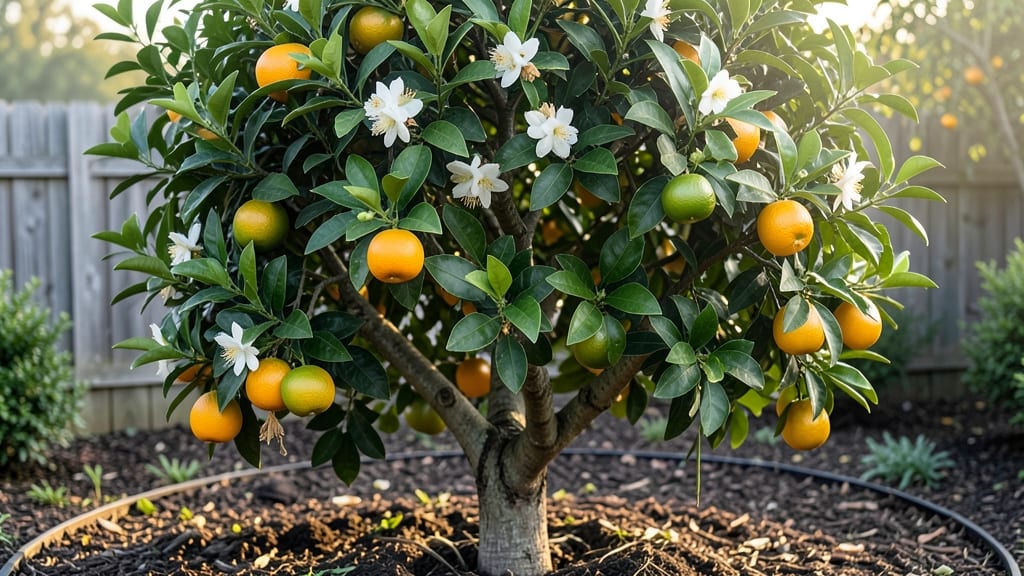
Your orange tree’s sweetest rewards arrive when you time everything right—orange tree growing season depends entirely on where you live. 🌱 In warm climates like Florida or California, trees fruit year-round, while colder zones (like 8-10) need precise timing to avoid frost damage.
The magic happens when daytime temps hit 70°F+, signaling blooms, then fruit set in late spring.
Here’s the secret: most citrus trees need 6-8 months of warm weather to mature fruit. In Zone 9, planting in early spring (March) gives roots time to establish before summer heat.
Cooler zones (7-8) should wait until after last frost—and never plant before May, or you’ll lose the tree to cold. Container growers get flexibility: move pots indoors before 32°F strikes.
Seasonal care makes all the difference. Prune after harvest (late winter) to shape the tree, fertilize lightly in early spring (citrus hates heavy feeding), and watch for pests like aphids that thrive in new growth. By summer, you’ll see those iconic white blossoms—the promise of oranges by fall.
Regional tweaks matter: Florida trees fruit twice a year, while Zone 9’s single harvest is bigger but slower. Container trees in Zone 7? Expect smaller fruit but still delicious. The key is matching your tree’s needs to your climate—no shortcuts, just patience and timing.
📚 In This Guide
- What you need
- Instructions
- Tips and common mistakes
- Wrapping up and next steps
What you need
- ● Orange Tree Sapling: 1–2 dwarf varieties (e.g., Calamondin, Meyer Lemon, or Improved Meyer Orange) for containers.
- ● 1 full-sized tree (e.g., Valencia or Navel) for in-ground planting.
- ● Potting Mix (Container Growers): 10–20 gallons of well-draining citrus mix (e.g., 60% potting soil, 30% perlite, 10% sand).
- ● Soil Amendments (In-Ground): 5–10 lbs of compost or aged manure per planting hole.
- ● 2–3 lbs of slow-release citrus fertilizer (e.g., 6-6-6 NPK ratio).
- ● Containers (If Applicable): 1–2 15–30 gallon pots with drainage holes (dwarf trees need less space!).
- ● Mulch: 2–3 inches of organic mulch (e.g., wood chips or straw) to retain moisture.
- ● Garden Gloves (to protect your hands from thorns and soil).
- ● Trowel or Spade (for digging and transplanting).
- ● Watering Can or Hose with Adjustable Nozzle (citrus loves consistent moisture!).
- ● Pruning Shears (for shaping and removing dead branches).
- ● pH Test Kit (ideal soil pH: 6.0–7.0).
- ○ Optional but Helpful: Drip irrigation system (for large in-ground trees).
- ● Frost cloth (if you’re in USDA Zones 8–10 and want extra protection).
- ● Citrus-specific fungicide (e.g., copper spray for disease prevention).
- ● Sunlight: Full sun (6–8+ hours daily)—no shade lovers here!
- ● Climate: Plant in USDA Zones 8–11 (or grow in containers and bring inside in winter).
- ● Water: 1–2 inches per week (more in extreme heat).
- ● Patience: Dwarf trees take 3–5 years to bear fruit; full-sized trees, 5–10 years!
Instructions for managing your orange tree through the growing season
Here's how I time care tasks to maximize blooms and fruit set in your climate zone.
⏰ Step 1: Time Early Spring Pruning for New Growth
Prune your orange tree in late winter or very early spring, just as new buds begin to swell but before leaves emerge. This is critical—pruning too late delays flowering, while pruning too early risks frost damage to fresh cuts. Focus on removing dead, diseased, or crossing branches first, then thin the canopy to improve airflow and sunlight penetration.
Use clean, sharp pruning shears and make cuts at a 45-degree angle just above an outward-facing bud. Avoid heavy pruning—never remove more than 25% of the canopy at once, or you'll stress the tree. Watch for new growth flush within 4-6 weeks after pruning; this signals the tree has recovered and is ready for fertilizer.
☀️ Step 2: Provide Consistent Summer Care for Fruit Development
During the main growing season (spring through summer), your orange tree needs full sun (6-8+ hours daily) and deep watering (1-2 inches per week). Water at the base of the tree, avoiding wetting leaves to prevent fungal diseases like citrus greening. I use drip irrigation for consistency, especially in USDA Zones 9-11, where summer heat can dry soil quickly.
Apply a balanced citrus fertilizer (6-6-6 or 8-3-6) every 6-8 weeks during active growth. Look for new leaf flushes as a sign the tree is responding—healthy leaves should be dark green and glossy. If you notice yellowing between veins, that's a classic sign of iron deficiency, common in alkaline soils.
🌿 Step 3: Prepare for Fall Bloom Induction
As temperatures drop in late summer to early fall, your orange tree begins its dormancy transition. This is when you need to reduce watering gradually—let the top 2-3 inches of soil dry out between waterings to signal the tree it's time to prepare for cooler weather. Stop fertilizing by mid-September to avoid encouraging late-season growth that won't harden off before winter.
If you're in USDA Zones 8 or colder, apply a 2-3 inch layer of mulch around the base (but not touching the trunk) to insulate roots. Watch for new flower buds forming in late fall—they'll appear as small, greenish swellings in the leaf axils. These buds are your promise of next year's fruit, so protect them from frost if possible.
✂️ Step 4: Winter Maintenance for Next Season's Growth
In winter (USDA Zones 9-11), focus on light pruning to remove any dead or broken branches from storms or frost. Avoid heavy pruning—wait until early spring for major structural work. If you're in Zones 8 or colder, protect young trees with burlap wraps or frost cloth on cold nights, especially when temperatures drop below 28°F.
Check for pests like aphids or scale—they love dormant trees. A neem oil spray in late winter can prevent infestations before new growth starts. By late winter, you should see swollen buds along the branches; this is your cue that the tree is waking up and ready for the cycle to begin again.
Tips & tricks for managing your orange tree's growing cycle
These seasoned strategies will help you navigate each phase of your citrus companion's annual journey with confidence.
Pruning Precision: When timing your late winter pruning in Step 1, check your local frost dates—aim to prune at least 2 weeks before the last expected frost. I've learned this the hard way: pruning too close to frost can leave fresh cuts vulnerable to damage. For young trees, limit cuts to just the most problematic branches; mature trees can handle slightly more aggressive shaping. The key is to maintain that open canopy structure while preserving the tree's natural form.
Seasonal Transition Signals: In Step 3, those late summer watering adjustments are all about reading your tree's signals. Start reducing water when you notice leaves beginning to curl slightly at the edges—this is nature's way of telling you it's time to prepare for dormancy. In my experience, trees in Zones 9-11 need slightly more gradual adjustments than those in cooler zones, where the temperature drop is more abrupt. Always check soil moisture 2-3 inches down before watering again during this transition period.
Fertilizer Timing Strategy: The 6-8 week fertilization schedule in Step 2 works beautifully, but here's what nobody tells you: split your fertilizer applications between early spring (just after pruning) and mid-summer (when you see the second flush of new growth). I've found this creates more balanced growth throughout the season. For alkaline soil areas, consider using a chelated iron supplement alongside your regular fertilizer to prevent those telltale yellowing patterns between leaf veins.
Winter Protection Hacks: When temperatures approach that critical 28°F threshold in Step 4, I've developed a two-layer protection system for young trees: first wrap the trunk with bubble wrap (to prevent sunscald when temperatures rise), then cover with frost cloth. For established trees, focus protection on the south and west sides where cold winds typically hit hardest. And here's a pro move: water the root zone thoroughly before the first hard freeze—this creates an insulating ice layer that protects roots.
Pro Tips for Orange Tree Growing Season
- These seasoned strategies will help you navigate each phase of your citrus companion's annual journey with confidence.
- Pruning Precision: When timing your late winter pruning in Step 1, check your local frost dates—aim to prune at least 2 weeks before the last expected frost.
- Seasonal Transition Signals: In Step 3, those late summer watering adjustments are all about reading your tree's signals.
Frequently asked questions
Got questions about growing oranges in your zone? Here are answers to the most common ones—no guesswork needed!
When is the best time to plant an orange tree in my USDA zone?
Timing depends on your zone! In Zones 9-11, plant in late winter or early spring (Feb–March) to avoid summer heat stress. For Zones 7-8, wait until spring after the last frost (April–May). Container growers can plant year-round but avoid extreme temps—60–75°F is ideal for root establishment.
How long does it take for an orange tree to bear fruit?
Patience is key! Dwarf varieties (like Calamondin) may fruit in 2–3 years, while standard trees take 5–7 years. Young trees focus on root/leaf growth first—fertilize lightly with citrus-specific nutrients (high nitrogen early, then potassium/phosphorus for blooms). Pro tip: Hand-pollinate flowers with a small brush if bees are scarce!
Can orange trees survive winter in colder zones (e.g., Zone 6)?
Most citrus trees are not cold-hardy below Zone 8, but you can try microclimates (e.g., near south-facing walls) or container growing. For Zone 6, bring potted trees indoors (50–60°F) during winter. Varieties like ‘Improved Meyer’ tolerate 20–25°F briefly but need protection. Alternative: Grow hardy citrus hybrids like ‘Trifoliate Orange’ (Zone 5!).
Why aren’t my orange tree’s flowers turning into fruit?
Common culprits: lack of pollination (help with a brush!), nutrient imbalances (too much nitrogen = leaves, not fruit), or stress (over/under-watering, pests). Check for aphids or scale insects and adjust care. Thin fruit if overloaded—leave 6–12 inches between oranges for size. Fix: Switch to a low-nitrogen, high-potassium fertilizer in spring.
Can I grow an orange tree in a container year-round?
Containers offer flexibility—just ensure a 15–25 gallon pot with drainage and well-draining soil (citrus mix + perlite). Move trees indoors (65–75°F) in winter if below Zone 9. Prune roots annually to prevent circling. Bonus: Dwarf varieties (like ‘Ponkan’) thrive in pots and produce fruit!
| Zone | Planting Time | Winter Care |
|---|---|---|
| 9–11 | Feb–March | Outdoors (mulch roots) |
| 7–8 | April–May | Light frost cloth if <28°F |
| 6 or colder | Spring (potted) | Indoor overwintering |
Wrapping up and next steps
Growing an orange tree in your container garden is a rewarding journey that starts with understanding your USDA zone and the tree’s natural growing season! 🌱 From frost-free zones to careful pruning and harvesting, each step brings you closer to sweet, homegrown oranges.
Whether you’re in Florida’s warm climate or a cooler zone with extended winters, patience and care will pay off with a bountiful harvest.
Now that you’re armed with the right knowledge, it’s time to take action. Start by selecting the perfect container, nurturing your tree, and keeping an eye on the blooms.
Before you know it, you’ll be enjoying fresh, juicy oranges straight from your garden—what’s not to love? Happy growing! 🍊✨