
Companion Plants
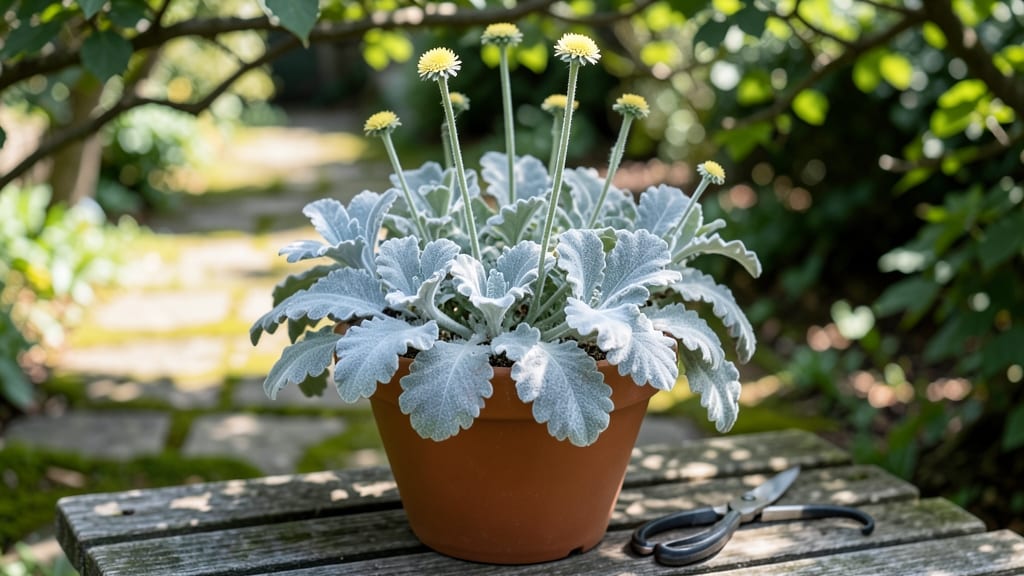
The Dusty Miller season begins the moment your garden needs a silver-lined glow—late spring through fall, when its velvety foliage transforms any bed into a moonlit oasis. 🌿 I planted mine in early May last year, and by June, the contrast against deep purple salvias made my neighbors stop and stare.
The best part? Its silvery scent naturally deters pests while drawing in pollinators, making it a low-maintenance workhorse for summer containers or borders.
In Mediterranean climates, Dusty Miller thrives year-round with minimal care, while temperate zones need winter protection—mulch heavily or pot it up before the first frost. The key is drought tolerance: once established, it barely needs watering, but young plants appreciate consistent moisture.
Prune back by half in early spring to encourage fresh, compact growth, and you’ll have lush silver foliage ready to steal the show by Memorial Day.
By midsummer, your Dusty Miller will be the star of the garden—its frosty foliage glowing against warm blooms and providing a fragrant pest barrier. The secret to extending its season? A thick layer of mulch in fall or moving containers to a sheltered spot before winter.
Even in colder climates, a little protection means you’ll have that signature silver contrast back in spring, ready to repel pests and turn heads.
Whether you’re using it as a border plant, container filler, or pest-deterrent, Dusty Miller’s versatility makes it a must-have for any seasonal garden. Start planting now, and you’ll have that effortless, elegant silver foliage all summer long—with almost no work required after the first few weeks.
📚 In This Guide
- What you need
- Instructions
- Tips and common mistakes
- Wrapping up and next steps
What you need
- ● Dusty Miller plants: Choose between: Silver King or Silver Queen (most common varieties)
- ● Quantity: 3–5 plants for borders or containers; 1–2 per 6–8 sq. ft. for ground cover.
- ● Well-draining potting mix: 1–2 bags (for containers) or amend garden soil with compost (1 part compost to 3 parts soil).
- ● Organic mulch: Straw or shredded bark (1–2 inches thick) to retain moisture and deter weeds.
- ○ Balanced fertilizer (optional but recommended): 10-10-10 or 5-5-5 (1 tbsp per plant at planting time).
- ● Garden tools: Trowel or small shovel
- ● Pruning shears (for shaping or harvesting cuttings)
- ● Gloves (to protect from thorns on some varieties)
- ● Containers (if needed): 5–7 inch pots (for seedlings) or 12+ inch containers (for mature plants).
- ● Watering can or hose with a gentle spray nozzle
- ● Sunlight access: Full sun (6+ hours/day) or partial shade (for cooler climates).
- ○ Pest control (optional): Neem oil spray (for fungal issues)
- ● Companion plants like lavender or rosemary (to enhance pest-repelling benefits).
How to extend Dusty Miller's season for year-round pest-repelling beauty
This silver foliage thrives with the right care—here's how I keep mine lush and pest-free through all seasons.
🌿 Step 1: Select the Right Variety for Your Climate
Dusty miller (Artemisia stelleriana) comes in two main types: the compact Silver King (12-18 inches tall) and the taller Silver Queen (up to 3 feet). For hot climates, choose Silver King—it handles heat better and stays dense. In cooler regions, Silver Queen thrives with its upright growth habit.
Here's the thing—if you're in a humid area, look for disease-resistant cultivars like 'Silver Brocade.' The fuzzy, silvery leaves naturally repel aphids and spider mites, but some varieties wilt faster in damp conditions. I always check the tag for 'sterile' varieties—they won't self-seed invasively.
☀️ Step 2: Position for Maximum Pest-Repelling Effect
Plant dusty miller in full sun (6+ hours daily) where its silver foliage reflects light and confuses pests. I place mine near roses, lavender, and peppers—the combination deters aphids and whiteflies naturally. In containers, position pots where they catch morning sun but get afternoon shade if you're in Zone 9 or hotter.
Watch for leaf scorch if you move it from shade to full sun suddenly. Harden off container plants by gradually increasing sunlight over 5-7 days—start with 2 hours of morning sun, then add more daily. You'll see the leaves adjust from pale green to that signature silver within a week.
💧 Step 3: Master the Watering Balance
Dusty miller hates soggy roots—water only when the top 2 inches of soil feel dry. In summer, that's usually every 5-7 days, but in winter, I wait until the soil is bone-dry. Overwatering causes root rot, which turns the silvery leaves yellow and mushy.
I like to water deeply but infrequently. Stick your finger in the soil—if it feels like a damp sponge, wait another day. Mulch with 1-2 inches of gravel or coarse sand to prevent moisture from pooling at the base. This trick keeps the roots cool and the foliage fluffy year-round.
✂️ Step 4: Prune for Bushier, Pest-Repelling Growth
Cut back leggy stems by one-third in early spring to encourage dense, silver foliage. Use clean, sharp shears and make cuts just above a set of leaves. I prune again in mid-summer to maintain shape—this prevents the plant from looking sparse and attracts fewer pests.
Here's what I do with the clippings: chop them into 1-inch pieces and scatter them around the garden. The crushed leaves release volatile oils that repel aphids and spider mites naturally. Just don't compost them—they can be invasive if not contained.
⏰ Step 5: Overwinter for Next Season's Protection
In colder climates (Zones 5-7), dusty miller dies back to the ground but regrows from the roots. Cut back the dead foliage in late winter (February) and apply 2-3 inches of straw mulch to insulate the crown. In warmer zones, it stays evergreen but may need light winter pruning to remove any browned leaves.
I always fertilize lightly in early spring with a balanced 10-10-10 formula—just a handful per plant. Too much nitrogen makes the leaves green instead of silver, and you lose that pest-repelling effect. You'll know it's working when new growth emerges with that velvety silver hue in 3-4 weeks.
Tips & tricks for perfect Dusty Miller season extension
These insights will help you keep your silver foliage thriving and pest-repelling all year long.
Variety Selection: The choice between 'Silver King' and 'Silver Queen' makes a big difference in your climate. For hot, dry regions, 'Silver King' stays denser and handles heat better, while 'Silver Queen' thrives in cooler climates with its upright growth. In humid areas, look specifically for 'Silver Brocade'—its disease resistance is a game-changer when combined with the sterile varieties that won't self-seed invasively.
Sunlight Transition: When moving dusty miller from shade to full sun, don't rush it! The 5-7 day hardening process in Step 2 is crucial—start with just 2 hours of morning sun and gradually increase. You'll notice the leaves transform from pale green to that signature silver within a week, proving the transition worked. This gradual approach prevents leaf scorch and maintains the plant's pest-repelling properties.
Pruning Technique: When you cut back those leggy stems by one-third in early spring, make sure your shears are clean and sharp. The key is cutting just above a set of leaves—this encourages dense, silver foliage growth. I've found that mid-summer pruning prevents the plant from looking sparse, which in turn deters pests. Don't forget to use those clippings! Chopping them into 1-inch pieces and scattering around the garden releases volatile oils that naturally repel aphids and spider mites.
Winter Care: That 2-3 inches of straw mulch in late winter is your secret weapon for Zone 5-7 climates. It insulates the crown perfectly, allowing the plant to regrow from the roots. In warmer zones, light winter pruning to remove browned leaves keeps the plant evergreen and maintains its pest-repelling abilities. The early spring fertilization with just a handful of 10-10-10 formula is also critical—too much nitrogen turns those beautiful silver leaves green, reducing their effectiveness against pests.
Pro Tips for Dusty Miller Season
- These insights will help you keep your silver foliage thriving and pest-repelling all year long.
- Variety Selection: The choice between 'Silver King' and 'Silver Queen' makes a big difference in your climate.
- Sunlight Transition: When moving dusty miller from shade to full sun, don't rush it!
Frequently asked questions
about Dusty Miller season—because every gardener deserves clarity! Here are answers to the most common questions about this silvery, pest-repelling superstar.When is the best time to plant Dusty Miller for peak performance?
The ideal planting window is late spring to early summer (after the last frost) or early fall in mild climates. This gives roots time to establish before winter. For container gardening, you can plant anytime—just ensure well-draining soil!
How does Dusty Miller actually repel pests?
Its fuzzy, silver foliage contains silver-haired charlock compounds that deter aphids, whiteflies, and even spider mites. The rough texture also makes it less inviting for crawling pests. Plant it near roses, tomatoes, or cabbage for natural protection!
Can Dusty Miller survive winter? What if I live in a cold climate?
In USDA zones 7-10, it’s perennial and hardy down to 15°F. In colder zones (6 or below), treat it as an annual or overwinter it in containers indoors with bright light. Mulch heavily if leaving it in the ground.
What are some great companion plants for Dusty Miller?
Pair it with scented geraniums, lavender, or marigolds for a pest-free powerhouse combo. It also thrives near tomatoes, peppers, and cabbage. Avoid planting near mint or comfrey, which may compete aggressively.
Why are my Dusty Miller leaves turning brown or crispy?
Brown edges often signal overwatering or poor drainage. Let soil dry between waterings—it prefers dry conditions. Crispy leaves in full sun? Provide afternoon shade in hot climates. Always use well-draining soil!
Can I grow Dusty Miller in containers? What’s the best setup?
Use a 5-7" pot with drainage holes and a 50/50 mix of potting soil and perlite. Place in full sun to partial shade. Water sparingly—containers dry out faster, and Dusty Miller hates soggy roots.
Wrapping up and next steps
Ready to transform your garden into a fragrant, pest-repelling oasis? Dusty Miller season is the perfect time to embrace this versatile plant’s silvery charm and natural benefits.
Start small—whether it’s a few pots on your patio or a border in your garden—and watch as its silvery foliage and pest-deterring powers work their magic. 🌿✨ Next up: Grab some Dusty Miller seedlings, find the sunniest spot, and let nature do the rest!