
Mower
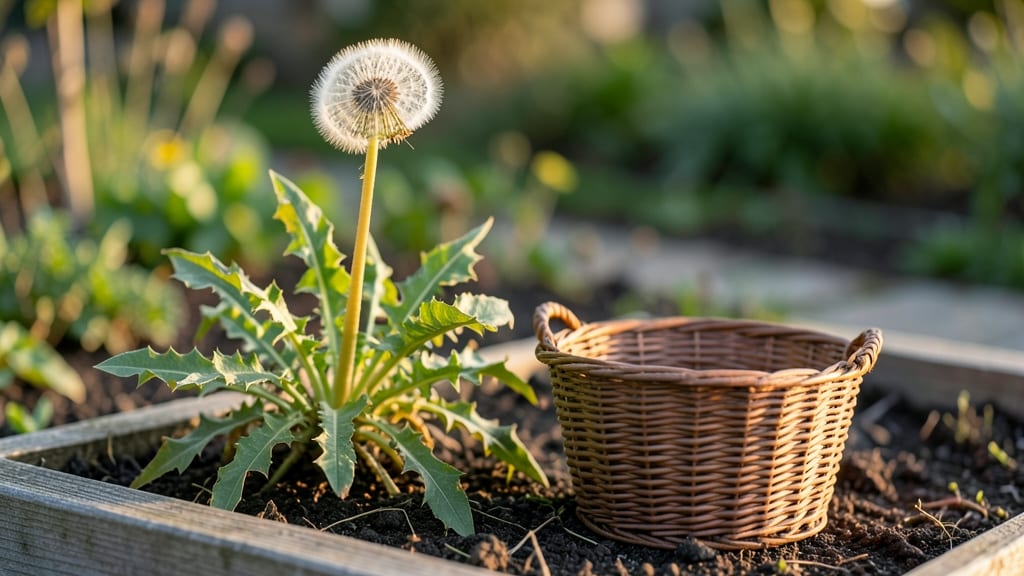
Timing is everything when harvesting those final dandelions of the year. 🌼 The key is catching them at their sweetest stage—right when petals fully open but before they turn into seed heads.
This late-spring window often delivers the richest flavor because the plants have matured under ideal spring conditions, concentrating natural sugars. I always check for fully unfurled blooms with no hint of green seed buds, as even the slightest delay can turn your harvest bitter.
Once you've picked them, the next step is preservation. Fresh dandelions can be stored in the fridge for up to a week, but for long-term use, drying or freezing works best.
I like to bundle stems and hang them upside down in a dry, dark place for drying—this preserves their vibrant color and earthy notes. For freezing, simply wash and pat dry before storing in airtight containers with a paper towel to absorb moisture.
What makes these late-season blooms special is their complex flavor profile. Unlike early spring dandelions that can taste slightly bitter, the mature flowers develop a delicate sweetness with hints of honey and citrus.
This makes them perfect for everything from simple salads to infused wines or even as a coffee substitute. The secret? Harvesting at the right moment transforms an ordinary weed into a gourmet ingredient.
💡 In This Article
- Why Late-Season Dandelions Taste Richer
- Step-by-Step Guide to Harvesting and Storing Dandelions
Why late-season dandelions taste richer
Botanically, dandelions (Taraxacum officinale) develop their richest flavors when they've fully matured. As the plant ages from early spring to late spring/early summer, its sugar content increases dramatically—sometimes by up to 30-40%—while bitterness compounds like taraxacerin break down.
This happens because the plant shifts its energy from leaf production (which contains higher levels of bitter lactucin) to flower and root development, concentrating sweeter compounds in the blooms.
The optimal harvest window occurs when petals are fully unfurled but before the green seed buds appear. At this stage, the flower head measures about 1.5-2.5 inches in diameter, and the petals will easily fall off when touched.
Harvesting too early means milder flavor, while waiting too long turns the blooms bitter as the plant prepares for seed dispersal. Climate plays a role too—warmer spring temperatures accelerate this maturation process, which is why late-season dandelions in southern regions often taste sweeter than their northern counterparts.
What you're actually tasting is a combination of fructose, glucose, and inulin—a prebiotic fiber that gives mature dandelions their characteristic caramel-like sweetness. The roots contain even more inulin (up to 40% by weight), but the flowers develop a more complex profile with notes of honey and citrus.
This is why foragers often describe late-season dandelions as having a "wild honey" flavor—it's not just sugar concentration, but the specific balance of compounds that changes as the plant matures.
Consider this comparison: Early spring dandelions (still in the rosette stage) have a bitterness level similar to radicchio, while fully mature blooms taste closer to a delicate chamomile with a touch of vanilla.
The transformation happens because the plant's chlorophyll production decreases in the flowers, allowing the sweeter compounds to dominate. This is why harvesting the "last" dandelions of the season gives you the most rewarding flavor experience—it's the botanical equivalent of waiting for fruit to ripen fully on the vine.
There's also a practical reason why late-season blooms taste better: they've had more time to develop under optimal conditions. Early spring dandelions often emerge when soil is still cold, limiting their growth potential.
By late spring, the plants have experienced consistent warmth, proper moisture levels, and sufficient sunlight—all factors that enhance flavor development. Think of it like wine grapes: those harvested at peak ripeness develop the most complex flavors, and the same principle applies to dandelions.
What most people don't realize is that even the timing of day affects flavor. Harvesting in the morning after dew has evaporated but before temperatures rise preserves the most delicate aromatics.
The cooler morning air slows down the plant's metabolic processes, which helps maintain the flower's natural oils and volatile compounds that contribute to its complex taste profile.
This is why I always recommend harvesting between 8-10 AM for the freshest flavor—it's the botanical equivalent of picking herbs at their peak freshness.