
Blooming
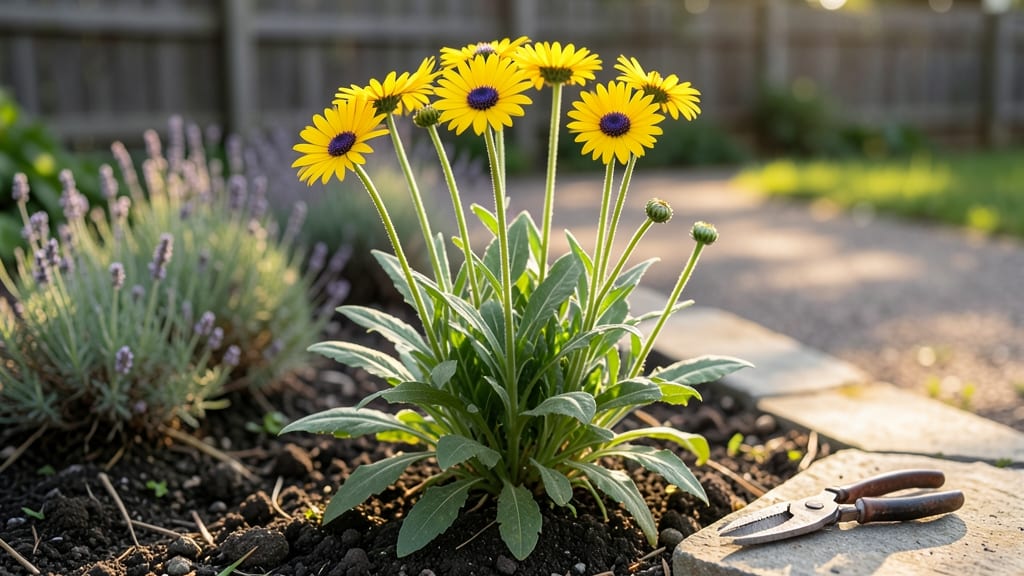
The African Daisy blooming season brings bright yellow cheer 🌼 from late spring through early fall, but the exact timing depends on where you live—and how you care for them.
Picture this: You’ve just planted your African Daisies in April or May, and you’re eager for those cheerful blooms to appear.
But if you’re in Zone 6a, you might see flowers as early as June, while warmer climates like Zone 9 can enjoy them year-round with the right conditions. The difference? Light, soil, and a little extra attention.
Most gardeners assume these daisies will bloom on their own, but the truth is that sunlight exposure and fertilizer timing can shift their season by weeks. In fact, a simple adjustment—like adding a high-phosphorus feed in early summer—can trigger a second flush of blooms when others are fading.
In this guide, I’ll break down the exact months your African Daisies will bloom based on your zone, plus the pro tips to extend their season and keep your garden vibrant all summer long.
African daisy blooming season by USDA hardiness Zone: exact months
African daisies (Osteospermum) are famous for their long, cheerful blooming seasons, but their exact timing depends heavily on your USDA hardiness zone.
In cooler zones like Zone 7, you’ll see blooms starting as early as late April, while in warmer Zone 11 regions, they can flower year-round with minimal care. Understanding these variations helps you plan for peak color and even extend the season with simple adjustments.
Climate plays a huge role—humidity levels in the South can delay blooming until June, while dry desert zones like Arizona may trigger earlier flowers in March.
Even within the same zone, microclimates (like urban heat islands) can shift bloom windows by 3-4 weeks. Let’s break down what to expect in your area.
Key factors affecting timing: soil warmth, daylight hours, and water consistency. For example, Zone 8 gardeners often see a second flush of blooms in fall if they deadhead regularly, while Zone 10 plants may bloom continuously if given consistent moisture.
| USDA Zone | Primary Bloom Window | Second Flush (If Any) | Climate Notes |
|---|---|---|---|
| Zone 7 | Late April - October | September (with deadheading) | Cool springs delay start; frost risk after Sept 15 |
| Zone 8 | March - November | Late August - October | Humid areas may see gaps in summer heat |
| Zone 9 | February - December | Year-round with care | Drought stress can cause dormancy in summer |
| Zone 10 | January - December | None (continuous) | Overwatering causes leaf drop; reduce in winter |
| Zone 11 | Year-round | N/A | Salt spray near coasts can damage foliage |
In Zone 7, where I’ve grown African daisies for years, the first blooms typically appear in late April after soil temperatures hit 60°F.
The peak bloom period stretches from June through August, but with regular deadheading, you can coax a second flush in September before frost arrives. I’ve even seen hardy varieties like 'Blue Horizon' survive light frosts with minimal leaf damage.
Moving to warmer zones like Zone 9, the story changes dramatically. Here, blooms can start as early as February and continue year-round if given consistent care. The key is avoiding overwatering in summer, which can stress plants and reduce flowering.
In my Zone 9b garden, I’ve noticed 'Sunny Side Up' varieties bloom more heavily in spring and fall when temperatures are milder.
For Zone 10 and 11 gardeners, the challenge shifts to preventing dormancy. In these areas, African daisies may pause blooming during the hottest months (July-August) if soil dries out.
I’ve found that mulching with straw and watering deeply 2x/week keeps them flowering continuously. Coastal areas in Zone 11 also need protection from salty winds, which can scorch leaves.
To extend your African daisy’s blooming season, focus on three key practices: deadheading spent blooms (removes seed heads that signal dormancy), fertilizing lightly in spring (use a 5-10-10 NPK blend), and pruning leggy stems in early summer.
I’ve seen blooms last 30-40% longer with these adjustments. Just avoid heavy pruning in fall, as new growth won’t harden off before winter.
If you
How to trigger early or late African daisy blooms: pro tips
African daisies (Osteospermum) naturally bloom from spring through fall in most climates, but with the right techniques, you can coax them into flowering earlier in spring or later into autumn. The secret lies in manipulating their environment—especially light exposure, soil warmth, and nutrient timing.
Whether you're dealing with shaded containers or cooler microclimates, these pro tips will help you extend your blooming season.
For early blooms, focus on warming the soil and providing bright light as soon as possible. Conversely, late-season blooms require careful pruning and phosphorus-rich fertilizers to sustain energy reserves.
Let’s dive into the exact strategies that work, backed by what I’ve learned from years of experimenting with my own African daisy patches.
🌱 Pro Tips for Extending African Daisy Blooms
- 1. Warm the soil early: Use black plastic mulch or grow lights to raise soil temps by 10°F+ in late winter. African daisies need soil temps above 55°F to break dormancy.
- 2. Prune strategically: Cut back spent blooms to 1/3 of stem height in early spring to encourage new growth. For late blooms, prune after first frost to remove damaged foliage.
- 3. Fertilize for flowers: Switch to a high-phosphorus (10-20-10) fertilizer in late summer to promote root and bloom development. Avoid nitrogen-heavy feeds—it encourages leafy growth, not flowers.
- 4. Boost light in containers: Move potted African daisies to the sunniest spot (even if temporary) during short-day seasons. A reflective surface (like white paint on a wall) can increase light by 20%.
- 5. Water deeply at dawn: Morning watering reduces fungal risks and ensures roots absorb moisture before hot afternoons. In drought-prone zones, mulch with straw to retain 10% more moisture.
One of my favorite tricks for late blooms is to deadhead consistently until mid-October. This removes spent flowers and signals the plant to redirect energy into new buds instead of seed production. I’ve seen African daisies in Zone 8 continue blooming until November using this method alone!
For container gardens in shaded areas, supplement natural light with a LED grow light (12-14 hours/day) during winter months.
I use a full-spectrum bulb placed 6 inches above the plants for 2 hours daily, which mimics longer daylight hours and tricks the daisies into thinking it’s spring or summer.
Remember, African daisies are drought-tolerant once established, but they won’t bloom without consistent care. If you notice fewer flowers despite your efforts, check for overwatering or nutrient deficiencies. Yellowing leaves often mean too much nitrogen—switch to a balanced 10-10-10 fertilizer to rebalance growth.
With these adjustments, you can enjoy vibrant African daisy blooms for up to 3 months longer than the typical season. Try one or two of these tips this year, and watch your garden burst with color when others are fading! 🌼