
Aphids
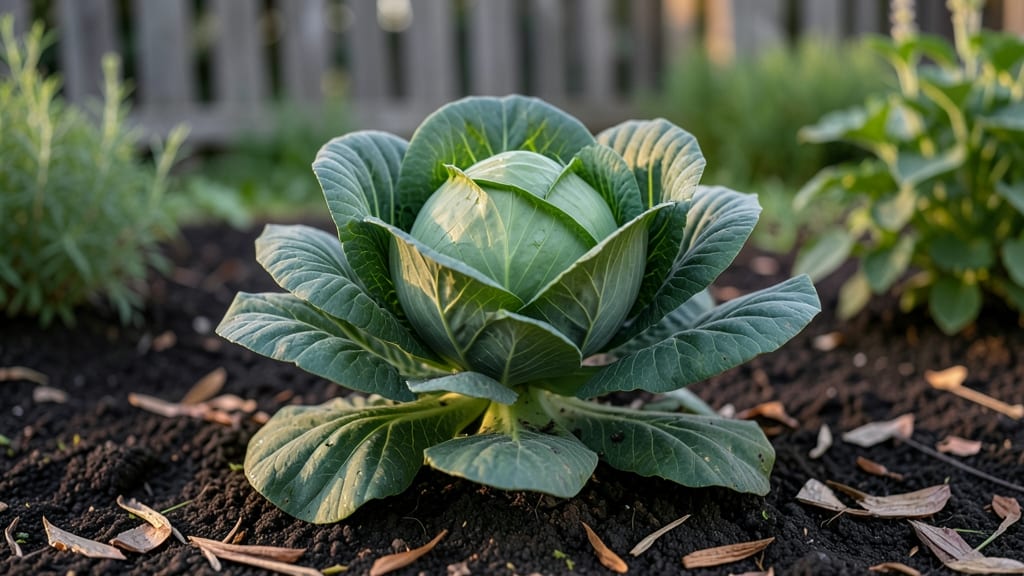
Growing all-season cabbage means fresh harvests from early summer through winter's first frost. 🌱 I learned the hard way—planting just once leaves you with a glut of heads in July and nothing by October. The secret is choosing the right varieties and spacing them properly for continuous harvests.
Start with cold-hardy varieties like 'January King' or 'Winterbor'—they thrive when most gardens call it quits. Plant your first batch 4-6 weeks before your last frost, then repeat every 3-4 weeks until mid-summer.
Space them 18-24 inches apart in rich, well-draining soil to give roots room to establish before cold sets in.
With proper care, you'll enjoy crisp, sweet heads well into winter. Mulch heavily in fall to protect roots from freezing, and watch for cabbage worms—cover plants with lightweight row fabric if pests become an issue. The payoff? A pantry stocked with homegrown greens year-round.
This method works in zones 3-8, though southern gardeners should focus on fall/winter plantings to avoid summer bolting. The key is adapting timing to your climate while keeping soil fertile and plants protected. Let's get growing!
📚 In This Guide
- What you need
- Instructions
- Tips and common mistakes
- Wrapping up and next steps
What you need
- ● All-Season Cabbage Seeds – Choose disease-resistant varieties like ‘January King’ or ‘Tendercrisp’ (1–2 seed packets, ~100–200 seeds).
- ● Well-Draining Soil – Mix compost (5–10 lbs) with garden soil or use potting mix (1–2 bags).
- ○ Fertilizer – Balanced 10-10-10 NPK (1 lb) or organic options like fish emulsion (optional but recommended).
- ● Watering Can or Hose – With a fine mist nozzle for gentle watering.
- ● Row Covers or Netting – Floating row covers (1–2 rolls) to protect from pests like aphids.
- ○ Stakes or Trellis (Optional) – For larger varieties to prevent splitting (4–6 wooden stakes).
- ● Fresh or Stored All-Season Cabbage – 1–2 small to medium heads (~1–2 lbs).
- ● Knife & Cutting Board – A sharp chef’s knife (8-inch) for slicing.
- ● Large Pot or Skillet – 10–12 inch diameter for sautéing or boiling.
- ● Oil or Butter – 2–3 tbsp (olive, coconut, or butter for flavor).
- ○ Seasonings (Optional but Recommended) – Salt (1 tsp)
- ● Black pepper (½ tsp)
- ● Garlic powder (½ tsp)
- ● Apple cider vinegar or lemon juice (1 tbsp, for tang)
- ● Storage Containers (For Leftovers) – Airtight glass or plastic containers (1–2).
- ○ Gloves (Optional) – Gardening gloves to protect hands from soil.
- ● Pruners (For Harvesting) – Small bypass pruners for clean cuts.
- ○ Food Processor (Optional) – For shredding large batches quickly.
- ● Sunny Location – 6+ hours of sunlight daily for growing.
- ● Patience (Most Important!) – All-season cabbage takes 80–120 days to mature.
How to grow all-season cabbage for year-round harvests
Here's the foolproof method I use to keep fresh cabbage on hand whenever I need it—no more last-minute grocery runs.
🌱 Step 1: Select the Right Varieties for Extended Harvest
For all-season success, choose two types of cabbage: a spring variety (like 'Early Jersey Wakefield') for early harvests and a late fall/winter variety (like 'January King') for winter storage. Spring cabbages mature in 60-70 days, while winter varieties take 90-120 days but stay crisp in cold storage.
I always plant a few extra seeds—some seedlings inevitably get leggy or diseased, and having spares means I never run out. Save seeds from your best heads for next year; cabbage seeds stay viable for 4-5 years if stored in a cool, dry place.
🪴 Step 2: Prepare the Planting Site for Maximum Yield
Cabbage thrives in full sun with rich, well-draining soil. Work in 2-3 inches of compost or aged manure before planting to give roots plenty of nutrients. I test my soil pH first—cabbage prefers 6.0-7.0, and I'll add lime if it's too acidic.
Space seeds 12-18 inches apart in rows 2 feet apart to allow airflow and prevent disease. Thin seedlings to the strongest plant per spot when they're 3-4 inches tall—use scissors to avoid disturbing roots. I always keep a few extra seedlings on hand in case of disease or pests.
☀️ Step 3: Water and Fertilize for Tight Heads
Keep soil consistently moist but never soggy—1 inch of water per week is ideal. Water at the base of plants in the morning to let foliage dry quickly, reducing fungal risks. I use a soaker hose for even moisture without wetting leaves.
Fertilize lightly when seedlings are 4-6 inches tall with a balanced organic fertilizer (like 5-5-5). Too much nitrogen makes leaves grow fast but heads stay loose. I switch to a low-nitrogen, high-phosphorus blend (like 3-6-3) when heads begin forming to encourage tight growth.
✂️ Step 4: Protect and Harvest for Season-Long Supply
Watch for cabbage worms and aphids—cover young plants with lightweight row fabric if pests are heavy in your area. I also rotate crops yearly to prevent soil-borne diseases. Harvest outer leaves as needed for months of greens, but leave the inner head intact for full-size cabbages.
For winter storage, harvest firm heads in late fall before hard frosts. Store in a cool (32-40°F), humid (90-95%) place like a root cellar. A bushel lasts 4-5 months if kept dry—check periodically and use any soft spots first.
🌿 Step 5: Extend the Season with Successive Plantings
Plant spring cabbage in early spring and again in late summer for fall harvests. Winter varieties go in mid-to-late summer so they mature before cold sets in. I mark my calendar: April 15 for spring, July 1 for fall, and August 15 for winter storage crops.
This staggered approach ensures I always have fresh cabbage—whether for stir-fries, sauerkraut, or coleslaw. The key is planning ahead; once you see how long each variety takes, you'll know exactly when to plant for continuous harvests.
Tips & tricks for perfect all-season cabbage growth
Here's what nobody tells you about keeping your cabbage garden productive all year long.
Variety Timing Secret: The 60-70 day window for spring cabbage is tight—don't wait until May to plant! Start seeds indoors 4-6 weeks before your last frost date. For winter varieties, begin seeds indoors 10-12 weeks before your first fall frost to ensure they mature before cold sets in. I've learned this the hard way after watching late-planted winter cabbage bolt in the first freeze.
Soil Prep Strategy: Before amending soil with compost, do a simple pH test—cabbage hates acidity. If your soil tests below 6.0, sprinkle dolomitic lime evenly over the area and till it in 2-3 weeks before planting. The 2-3 inches of compost recommendation works wonders, but mix in a handful of wood ash for extra calcium if your soil feels sandy. This prevents the dreaded "buttoning" where heads stay small and loose.
Watering Wisdom: That 1 inch per week guideline works best with morning watering—never water after sunset. Wet foliage overnight invites fungal diseases like black rot. I've found that drip irrigation or soaker hoses deliver water right at the roots without wetting leaves, cutting down on disease pressure. Mulch with straw after watering to lock in moisture and keep soil temperatures stable.
Storage Hack: For winter storage, harvest heads when they're still firm but before hard frosts hit. Store them in a cool, humid space (32-40°F) with high humidity (90-95%). I wrap each head in newspaper before placing them in cardboard boxes—this prevents moisture loss and keeps them crisp for months. Check weekly and use any soft spots immediately to prevent spoilage.
Pro Tips for All Season Cabbage
- Here's what nobody tells you about keeping your cabbage garden productive all year long.
- Variety Timing Secret: The 60-70 day window for spring cabbage is tight—don't wait until May to plant!
- Soil Prep Strategy: Before amending soil with compost, do a simple pH test—cabbage hates acidity.
Frequently asked questions
Got questions about growing, storing, or cooking with all-season cabbage? You’re not alone! Here are answers to the most common queries to help you make the most of this versatile veggie.
What’s the best way to store all-season cabbage to keep it fresh?
Store your cabbage in a cool, dark place with high humidity—like a pantry or fridge crisper drawer (set to 32–40°F). Wrap it loosely in a damp towel or place it in a perforated plastic bag to retain moisture. With proper storage, it can last 4–6 weeks!
Can you grow all-season cabbage year-round, or is it seasonal?
All-season cabbage is a cool-weather crop and thrives in spring and fall. In mild climates (Zones 8–10), you can grow it year-round with shade cloth or row covers in summer. In colder regions, focus on early spring or late summer plantings for best results.
What’s the difference between all-season cabbage and regular green cabbage?
All-season cabbage is bred for longer storage and milder flavor than traditional green cabbage. It’s also more compact, making it ideal for small gardens or containers. Plus, it’s less prone to bolting (going to seed) in heat, so it’s a reliable choice for extended harvests.
Are there any cooking hacks to make all-season cabbage taste sweeter?
Yes! For a sweeter flavor, lightly char the cabbage (grill or pan-sear) to caramelize its natural sugars. Adding a splash of apple cider vinegar or a pinch of brown sugar while cooking also enhances sweetness. Try roasting with olive oil and garlic for a delicious twist!
Why is my all-season cabbage turning yellow or wilted?
Yellowing leaves often signal overmaturity or nutrient deficiency (like nitrogen). Wilting can mean underwatering or heat stress. If growing, ensure consistent moisture and mulch to retain soil dampness. Harvest outer leaves first to prolong freshness.
Wrapping up and next steps
All-season cabbage is your versatile, pantry-friendly hero—whether you're battling aphids, craving crunch, or stocking up for winter. 🌱 From hearty stir-fries to fresh salads, this hardy veggie proves that seasonal cooking doesn’t mean seasonal sacrifices.
With its pest-resistant traits and long shelf life, you’ll enjoy freshness, flavor, and ease all year round.
Ready to elevate your meals? Start by picking your favorite recipe from this guide, then grow your own aphid-resistant cabbage for a sustainable, homegrown harvest. Your kitchen—and your taste buds—will thank you! 🍽️✨