
Pruning
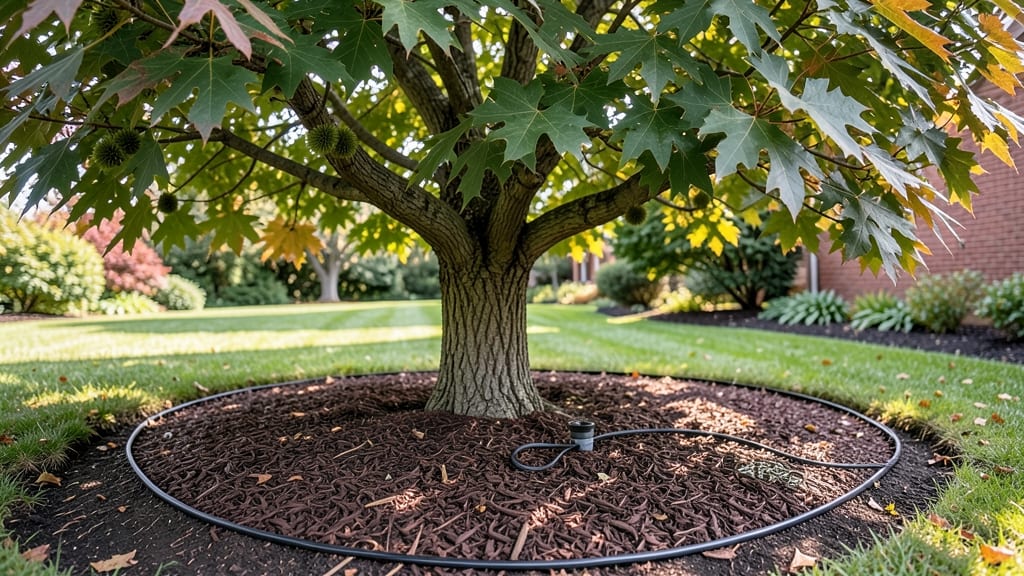
This all-season tree can transform your yard into a living masterpiece—spring blooms, summer shade, autumn color, and winter structure all from one plant. ✨ I learned this lesson the hard way after planting a single tree that only shined in summer, leaving my garden bare the rest of the year. my garden dull for the rest of the year.
The right pruning schedule unlocks a tree’s hidden seasons, transforming it into a four-season focal point that neighbors will envy.
Start with trees known for their layered appeal: serviceberry for spring blossoms and edible fruit, ornamental cherry for dramatic spring flowers and fall color, or crabapple for year-round interest with its glossy leaves, spring blooms, and persistent fruit.
Placement matters too—position these trees where they’ll frame your home’s best views or anchor a garden corner. Pair them with evergreens for winter structure or spring bulbs that peek through their branches.
With the right cuts, you’ll see spring blooms return stronger, summer shade deepen, and autumn foliage burst with richer colors. The key is timing: light pruning after flowering to shape growth, and heavier cuts in late winter to remove dead wood.
This keeps the tree healthy while highlighting its seasonal assets. Your garden will feel alive in every month, not just peak summer.
Works for any yard size—whether you’re shaping a single specimen or designing a layered woodland garden. The same principles apply to both small urban lots and sprawling rural properties. Here’s how to make it happen without turning pruning into a chore.
📚 In This Guide
- What you need
- Instructions
- Tips and common mistakes
- Wrapping up and next steps
What you need
- ● Pruning shears: Bypass pruners (for small branches, ¼”–¾” thick)
- ● Loppers: Bypass or anvil type (for medium branches, ¾”–2” thick)
- ● Pruning saw: Curved-tooth saw (for thick branches, 2”+ thick)
- ● Rubbing alcohol: 70% isopropyl (for sterilizing tools between cuts)
- ○ Pruning sealant: Optional, for large wounds (½”+ diameter)
- ● Gloves: Heavy-duty work gloves (cut-resistant for safety)
- ● Ladder or step stool: Sturdy, extendable (for high branches)
- ● Trash bags or bucket: For collecting debris
- ● Sharpener: File or stone (to maintain tool sharpness)
- ● Extension pole: For high branches (with attached pruners)
- ● Disinfectant spray: For tools (alternative to alcohol)
- ● Labeling tags: For marking branches to remove later
- ● Safety glasses: Protects eyes from debris
- ● Tree growth regulator: (e.g., dormant oil for pest prevention)
- ● Know your tree species—research when and how to prune (e.g., evergreens can be pruned year-round, but flowering trees need timing).
- ● Check local regulations—some areas restrict pruning near power lines.
- ● Pick a dry, mild day to avoid stressing the tree.
How to prune all-season trees for continuous fragrance
Pruning isn't just about shaping—it's about unlocking year-round scent. Here's how I keep my all-season trees blooming and fragrant through every season.
✂️ Step 1: Identify the Right Time for Each Season's Prune
Timing matters more than you'd think. I prune late winter to early spring (just before buds swell) to remove dead wood and shape the tree for the coming year. This is when the tree's energy is still dormant but ready to redirect growth.
For summer bloomers like mock orange, I do a light maintenance trim after flowering—never in spring, or you'll cut off next year's blooms. Watch for yellowing leaves or crossing branches as visual cues that pruning is needed. I always carry a small pruning saw and sharp bypass pruners for this step.
🌿 Step 2: Remove Dead, Diseased, or Crossing Branches First
Start with the obvious—any branches that are dead, diseased, or rubbing against others need to go first. I look for brown, brittle wood or branches growing inward at sharp angles. These compete for energy and can damage the tree over time.
Cut these back to the collateral bud (the side bud) just below the branch collar. Never leave stubs—this invites decay. I make my cuts at a 45-degree angle about 1/8 inch above the bud to prevent water from pooling and rotting the wound.
☀️ Step 3: Thin the Canopy for Better Airflow and Light
All-season trees need light to reach their inner branches for consistent fragrance. I remove 20-30% of the canopy by selecting branches that are too close together or growing straight upward. This opens the tree up to sunlight and air circulation.
Focus on branches that are thinner than a pencil—these are easier to remove and won't leave large wounds. I step back every few cuts to visualize the tree's shape. The goal is to see light filtering through the branches from all angles.
⏰ Step 4: Shape for Year-Round Interest
Now for the fun part—shaping! I prune to encourage new growth in all directions, not just upward. For rounded forms, I cut back branches that grow too vertically, redirecting energy to lateral buds. For more structured shapes, I make precise cuts to maintain clean lines.
I never remove more than 25% of the tree's foliage in one season—this prevents stress. After pruning, I apply a wound dressing (like tree sealant) to cuts larger than 1/2 inch in diameter to protect the tree from pests and disease.
🌱 Step 5: Maintain Through the Seasons
After the big prune, I do light maintenance every 4-6 weeks to remove any new dead branches or suckers at the base. In late summer, I give the tree a deep watering to help it recover from the stress of pruning.
I also fertilize in early spring with a balanced, slow-release fertilizer to support new growth. The key is to watch the tree's response—if it's putting out lots of new leaves, it's thriving. If not, I adjust my approach for the next season.
Tips & tricks for perfect all-season tree pruning
These simple strategies will help you maintain a fragrant, healthy tree that thrives all year long.
Timing is Everything: The late winter to early spring window is critical for your tree's health. This dormant period allows the tree to redirect energy to new growth without stress. I always check for bud swell—when you see those tiny buds starting to form, it's time to prune. For summer bloomers like mock orange, wait until after flowering to avoid cutting off next year's blooms. This timing ensures you're not interfering with the tree's natural cycle.
Precision Cuts Prevent Problems: When removing branches in Step 2, focus on making clean cuts at a 45-degree angle about 1/8 inch above the collateral bud. This technique promotes faster healing and prevents water from pooling in the wound. I've seen many trees suffer from improper cuts that led to decay—always use sharp bypass pruners for clean, precise cuts. For larger branches, use a pruning saw to avoid tearing the bark.
Canopy Thinning Strategy: In Step 3, aim to remove 20-30% of the canopy by targeting branches thinner than a pencil. These smaller branches are easier to remove and won't leave large wounds. Step back frequently to visualize your progress—you should see light filtering through the branches from all angles. This opens the tree up to better airflow and sunlight, which are essential for year-round fragrance. I always prioritize removing branches that are too close together or growing straight upward.
Seasonal Maintenance Schedule: After your initial prune, plan for light maintenance every 4-6 weeks to remove any new dead branches or suckers at the base. In late summer, give your tree a deep watering to help it recover from the stress of pruning. I also fertilize in early spring with a balanced, slow-release fertilizer to support new growth. This consistent care keeps your tree thriving and fragrant throughout all seasons.
Pro Tips for All Season Tree
- These simple strategies will help you maintain a fragrant, healthy tree that thrives all year long.
- Timing is Everything: The late winter to early spring window is critical for your tree's health.
- Precision Cuts Prevent Problems: When removing branches in Step 2, focus on making clean cuts at a 45-degree angle about 1/8 inch above the collateral bud.
Frequently asked questions
Got questions about all-season tree pruning?
Here are answers to the most common ones to help you keep your trees lush and fragrant year-round!
When is the best time to prune for year-round fragrance?
Prune your all-season tree in early spring (just before new growth) or late winter to encourage strong blooms. Light trimming in summer (after flowering) helps maintain shape, while fall cuts should be minimal to avoid winter stress. Avoid heavy pruning in winter—it can damage cold-sensitive varieties.
Can I prune too much, or are there signs my tree is overpruned?
Yes! Overpruning weakens trees and reduces fragrance. Watch for bare branches, stunted growth, or excessive leaf drop. If you’ve removed more than 25% of the canopy in one session, you’ve likely gone too far. For all-season trees, 10–20% annual pruning is ideal.
Will pruning make my tree smell stronger?
Pruning improves airflow and sunlight exposure, which boosts fragrance by enhancing flower and foliage health. Focus on dead wood, crossing branches, and overcrowded areas—these cuts encourage denser, more aromatic growth. Just avoid heavy cuts during peak bloom seasons to preserve scent.
What’s a good alternative if my all-season tree isn’t thriving?
If your tree struggles with fragrance or health, consider fragrant evergreens (like Lavender or Rosemary), citrus trees (for winter scent), or ornamental cherries (like Yoshino). These also benefit from strategic pruning and offer seasonal aromas without heavy upkeep.
Why are my leaves yellowing after pruning?
Yellowing leaves can signal over-pruning, nutrient deficiency, or pests. Check for aphids or spider mites (common after stress). If the issue persists, fertilize with a balanced formula and water deeply. For severe cases, a soil test can pinpoint deficiencies like iron or nitrogen.
Wrapping up and next steps
An all-season tree thrives on consistency—strategic pruning keeps it fragrant, healthy, and stunning year-round! 🌿 Whether you’re trimming in spring, summer, or winter, the key is timing, technique, and tools. Don’t let fear of mistakes hold you back; even small, mindful cuts make a difference.
Ready to elevate your tree’s beauty? Start with one session—spring is ideal for major shaping, but don’t overlook seasonal touch-ups. Grab your pruners, dust off your gloves, and watch your tree flourish with every season’s charm! 🌸✂️